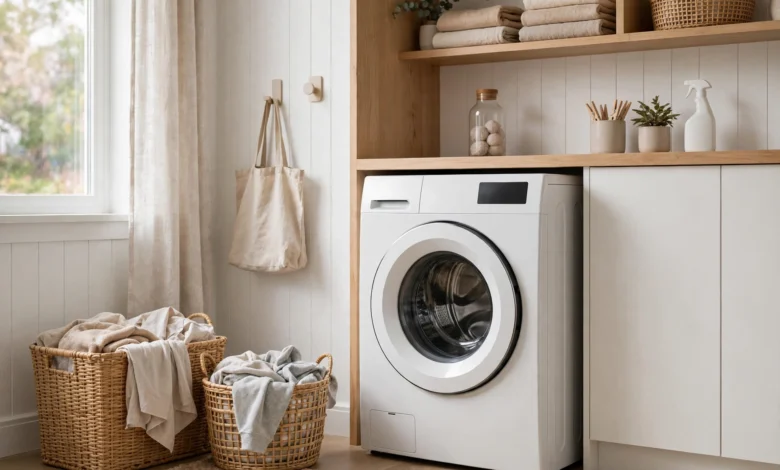
A washing machine is one of the most expensive appliances most households will buy, and also one of the least exciting to research, which is why so many people end up choosing on price alone and living with the consequences for a decade. The direct answer to the question most buyers really have is this: the best washing machine UK households can buy is the one with the right drum size for the family, a decent energy rating without an excessive premium, and a guarantee that gives peace of mind, because those three factors determine the real cost and convenience of ownership far more than any single feature or headline claim. This guide is an explainer rather than a ranked shortlist, because the right machine depends on household size, washing habits, and the space it must fit into, and understanding drum sizes, energy labels, and running costs will save you from the most common and expensive mistakes in this category.


When comparing the best washing machine UK options, it is also worth framing the purchase in terms of its lifetime, because a washing machine is typically kept for ten years or more, which means a machine that costs a little more upfront but washes more efficiently, holds more per load, and lasts longer can easily be cheaper overall than a bargain machine that needs replacing sooner. The running costs, the number of loads per week, and the guarantee terms all compound over that decade, so a decision made in an afternoon in a shop or on a retailer website deserves more thought than it usually gets, and this guide aims to give you that thinking in a single readable place.
Drum Size: The Rule That Saves Time and Money
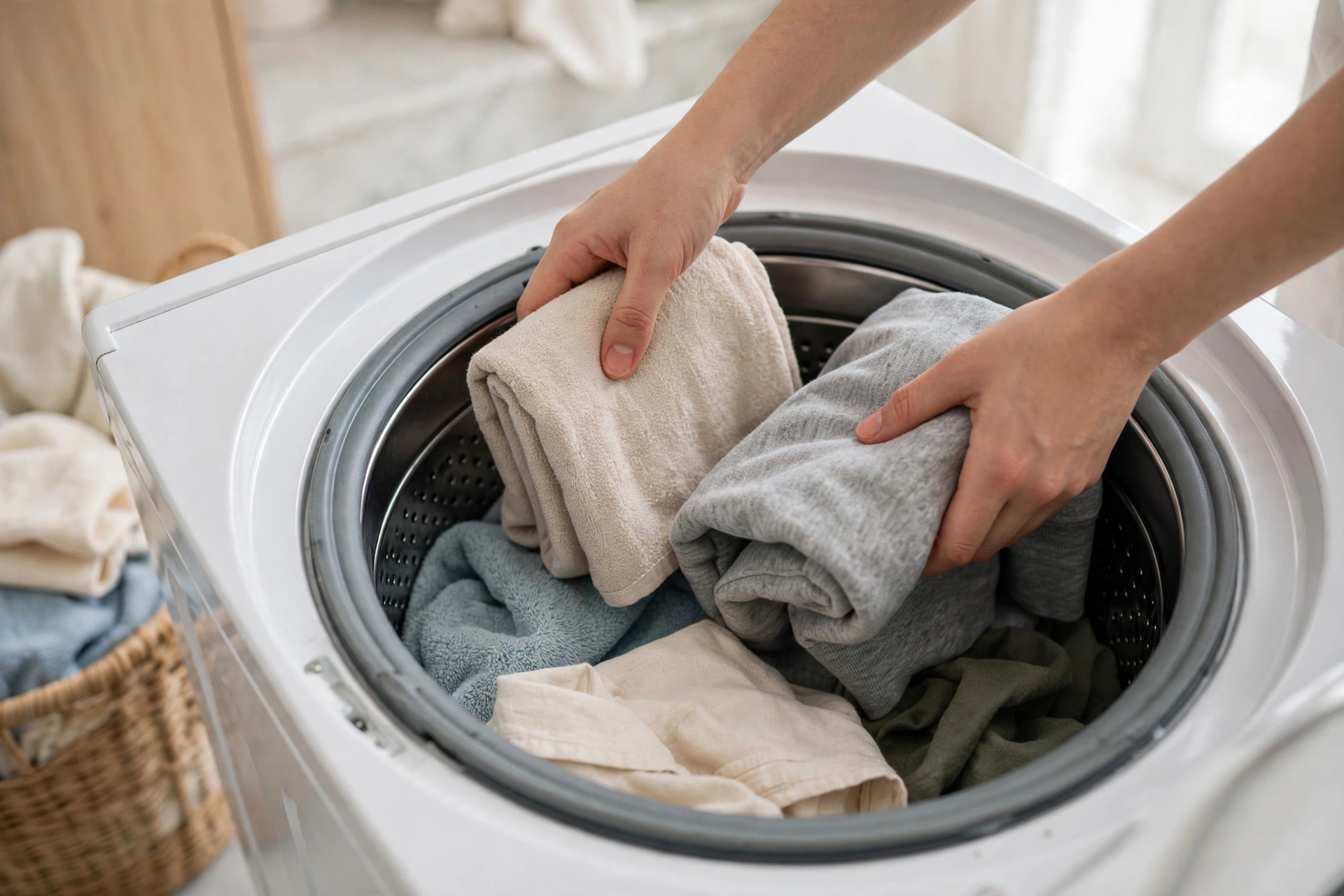
Drum size, measured in kilograms of dry laundry, is the most practical specification on the best washing machine UK families buy, because it determines how much you can wash in a single load, and therefore how many loads you will do each week. As a rough guide, allowing around one kilogram of drum capacity per person in the household, plus a little headroom, works well for most families, which means a couple might be comfortable with a 7kg or 8kg machine, a family of four will usually want a 9kg machine, and a larger household, or one that regularly washes bedding and towels, may benefit from a 10kg or larger drum. These figures are guides rather than rules, because washing habits vary enormously, but they are a far better starting point than simply buying the largest or the cheapest machine on the page.
The reason drum size matters so much is that an undersized drum forces more loads, which means more water, more electricity, more detergent, and more of your time spent loading, unloading, and hanging out washing, while an oversized drum that is always run half-empty wastes water and energy on every cycle, because the machine still uses a substantial amount of both regardless of how full it is. Modern machines with load-sensing technology help by adjusting water use to the size of the load, but they cannot fully compensate for a drum that is wildly wrong for the household, and they cannot turn a half-empty large drum into an efficient small load. It is also worth checking the physical dimensions, because a larger drum often means a deeper machine, and a machine that does not fit through the kitchen door or under the worktop is no bargain at any capacity.
Energy Labels: What A to G Actually Means Now
Energy labels changed in recent years, and many buyers shopping for the best washing machine UK deals are still confused by the new scale, because the old system with its A+++, A++, and A+ ratings has been replaced by a simpler A to G scale that is deliberately harder to top. Under the current system, most decent machines sold in 2026 carry a B or C rating, which sounds modest compared with the old A+++ badges, but is in fact a good result, because the new scale was rescaled precisely so that the top grades would be difficult to achieve and would leave room for future improvements. An A-rated machine is therefore genuinely exceptional rather than merely adequate, and it is important to understand that before dismissing a B-rated machine as second-rate, because in the old system that same machine might well have carried an A+++ badge.
The premium for an A-rated machine is real, typically around £100 to £200 more than a comparable B or C model, and whether that premium is worth paying depends on how much you wash and how long you keep the machine, which is why the running-cost calculation in the next section matters so much. The Energy Saving Trust publishes general guidance on appliance energy use and home energy saving, and its advice is a useful second opinion when you are weighing up whether an efficiency premium will actually pay for itself in your household. The label itself is also worth reading beyond the headline letter, because it shows the energy use per 100 cycles, the water use, the spin efficiency, and the noise level, all of which tell you more about the machine than the single letter grade alone.
Running Costs: The Maths That Matters
Running costs are where the energy label meets real money on the best washing machine UK households choose, and the maths is more encouraging, and more sobering, than most buyers expect, because the annual differences between efficiency grades are real but small. As an illustrative example, a B-rated 9kg machine might use around 50 kilowatt-hours per year on the standard test cycle, which at a typical domestic tariff of around 24 pence per kilowatt-hour works out at roughly £12 a year in electricity, while a D-rated machine of similar size might use around 70 kilowatt-hours, or roughly £17 a year, which is a difference of only about £5 a year. Over a ten-year lifetime that is around £50, which is a real saving, but it is far less than the £100 to £200 premium that an A-rated machine may command, which means the efficiency premium alone can take many years to recoup, and may never do so if the machine is replaced early.
Water use follows a similar pattern, with more efficient machines using less water per cycle, but the financial saving from water alone is usually smaller than the electricity saving, unless you are on a water meter and wash very frequently. The honest conclusion is that energy efficiency is worth having, and a B or C rating is a sensible target for most households, but it should not be the only reason to pay a large premium, because drum size, reliability, and guarantee terms will usually have a bigger impact on the total cost of ownership. If you wash daily for a large family, then the efficiency maths improves, because more cycles mean more savings, but for a smaller household washing a few times a week, the premium for the very highest rating is difficult to justify on running costs alone.
Temperature: Why 30 Degrees Matters More Than the Label
Washing temperature is the single habit that has the biggest impact for owners of the best washing machine UK models on both energy use and the life of your clothes, and it matters more than the difference between one energy grade and the next. Modern detergents are designed to work effectively at lower temperatures, and for most everyday laundry, washing at 30 degrees cleans just as well as washing at 40 degrees, while using significantly less energy, because heating the water accounts for the majority of a washing machine’s electricity use. The saving from dropping from 40 to 30 degrees on every wash can easily exceed the annual saving from choosing a more efficient machine, which means the temperature dial in your own kitchen is a more powerful energy-saving tool than the label on the machine in the shop.
There are, of course, exceptions, because bedding, towels, and heavily soiled items sometimes benefit from a hotter wash, and hygiene concerns, such as washing after illness, may justify an occasional 60-degree cycle, but those should be the exception rather than the routine. It is also worth using the machine’s eco programme when time allows, because eco programmes typically wash for longer at a lower temperature, which achieves the same cleaning result with less energy, even though the longer cycle time surprises some owners. The combination of a sensible drum size, a decent B or C energy rating, and a routine habit of washing at 30 degrees will save more money and energy over a decade than any single premium feature, and it will be kinder to your clothes at the same time.
Guarantees and Reliability: The Safety Net That Matters
Guarantees are the safety net that separates a good purchase from a gamble, because a washing machine is a complex appliance with pumps, motors, bearings, and electronics, all of which can fail, and a failure in the first few years can cost more than the difference between a cheap and a mid-range machine. Most manufacturers offer a one-year guarantee as standard, which is adequate but not generous, and it is worth checking exactly what is covered, because some guarantees exclude parts, labour, or call-out charges after the first year, which can turn a supposedly free repair into a substantial bill. Extended guarantees and manufacturer promotions can be good value, but they deserve careful reading, because the terms, the excess, and the claims process vary enormously between brands and retailers.
One retailer standard stands out when buying the best washing machine UK families rely on: John Lewis typically offers a two-year guarantee on washing machines as standard, which is double the typical one year, and that extra year of cover is a genuinely valuable benefit that should be factored into any price comparison. A machine that costs a little more from a retailer offering two years of cover may be cheaper overall than a slightly cheaper machine with only one year, because a single out-of-warranty repair can easily cost more than the price difference. Reliability data, customer reviews, and the reputation of the brand for after-sales service all matter too, because a machine that rarely breaks down is worth more than a machine with a generous guarantee that you need to use constantly, and the combination of a reliable brand and a strong guarantee is the safest purchase of all.
Conclusion
The best washing machine UK households can buy is not the cheapest, the largest, or the highest-rated in isolation, but the machine that fits the household: a drum sized at roughly one kilogram per person plus headroom, a B or C energy rating without an excessive premium, a habit of washing at 30 degrees, and a guarantee that gives real peace of mind. The running-cost maths shows that efficiency matters but that the premium for the very highest rating takes years to recoup, which means drum size, reliability, and guarantee terms will usually have a bigger impact on the total cost of ownership than chasing the top letter grade. Get those fundamentals right, and the machine will serve the household quietly and economically for a decade or more.
If you buy on price alone, you risk a machine that is too small, too inefficient, or too poorly covered, and you will pay for that mistake in extra loads, higher bills, and repair costs over the years. Measure the space, count the household, check the energy label beyond the headline letter, and read the guarantee terms before you commit, because those few checks are the difference between a washing machine that simply works and one that works well, cheaply, and reliably for a very long time. Done that way, the least exciting purchase in the house becomes one of the most satisfying, because it just gets on with the job, week after week, year after year.
FAQs
What size washing machine do I need for a family of four? A family of four will usually want a 9kg machine, based on the rough guide of around one kilogram of drum capacity per person plus a little headroom, which gives enough room for everyday clothes as well as bedding and towels without forcing extra loads. A couple might be comfortable with a 7kg or 8kg machine, while a larger household or one that regularly washes bulky items may benefit from a 10kg or larger drum, although it is also important to check the physical dimensions, because a larger drum often means a deeper machine that must fit through doors and under worktops.
Is an A-rated washing machine worth the extra money? An A-rated machine typically costs around £100 to £200 more than a comparable B or C model, and whether that premium is worth paying depends on how much you wash and how long you keep the machine, because the annual electricity saving may be only a few pounds. As an illustration, a B-rated 9kg machine using around 50 kWh a year costs roughly £12 at 24p per kWh, while a D-rated machine using around 70 kWh costs roughly £17, so the difference is real but small, and the premium for the highest rating can take many years to recoup, especially for a smaller household washing only a few times a week.
Does washing at 30 degrees really clean clothes? Yes, for most everyday laundry, modern detergents are designed to work effectively at 30 degrees, and washing at this temperature cleans just as well as washing at 40 degrees for ordinary clothes, while using significantly less energy, because heating the water accounts for the majority of a washing machine’s electricity use. Bedding, towels, and heavily soiled items may occasionally benefit from a hotter wash, and hygiene concerns after illness may justify a 60-degree cycle, but those should be exceptions rather than the routine, and the saving from a 30-degree habit can exceed the saving from a more efficient machine.
What guarantee should I look for on a washing machine? Most manufacturers offer a one-year guarantee as standard, which is adequate but not generous, and it is worth checking exactly what is covered, because some guarantees exclude parts, labour, or call-out charges after the first year. John Lewis typically offers a two-year guarantee on washing machines as standard, which is double the typical one year, and that extra year of cover is a genuinely valuable benefit that should be factored into any price comparison, because a single out-of-warranty repair can easily cost more than the price difference between retailers.
How long should a washing machine last? A well-chosen washing machine should last around ten years or more with normal use, although the actual lifespan depends on the brand, the build quality, how often it is used, and whether it is maintained, including cleaning the filter and drawer regularly and leaving the door ajar to prevent mould. A machine that is correctly sized for the household, used at sensible temperatures, and covered by a good guarantee is far more likely to reach that lifespan economically than a cheap machine that is overloaded, run constantly at high temperatures, and left without cover after the first year.
If you found this guide helpful, you may also enjoy our other home and appliance explainers on this site.