Whether you’re training for a marathon, playing five-a-side football with colleagues, or simply enjoying a weekend tennis match, sports injuries can strike anyone who stays active. The bridge between casual exercise and proper recovery often determines whether a minor setback becomes a chronic problem. Understanding when to rest, when to seek specialist care, and how to prevent recurrence separates those who bounce back quickly from those who struggle with lingering pain for months.


The Most Common Culprits
Ankle sprains remain the single most frequent sports injury across nearly every activity level. They occur when ligaments stretch or tear, usually during sudden direction changes or landing awkwardly. Severity ranges from mild discomfort that resolves in days to complete ligament ruptures requiring structured rehabilitation. Knee injuries follow closely, with anterior cruciate ligament tears, meniscus damage, and patellofemoral pain syndrome affecting runners, footballers, and basketball players disproportionately.
Shoulder problems plague swimmers, tennis players, and anyone who performs repetitive overhead movements. Rotator cuff strains and impingement syndrome develop gradually, often dismissed as simple soreness until the pain becomes debilitating. Tennis elbow and golfer’s elbow, despite their names, affect desk workers and tradespeople just as often as athletes. These overuse injuries result from repetitive gripping and wrist extension, creating inflammation where tendons attach to bone.
When Rest Isn’t Enough
The standard advice to rest, ice, compress, and elevate works well for minor strains and sprains, but certain warning signs demand professional assessment. Persistent swelling that doesn’t improve after 48 hours, inability to bear weight, visible deformity, numbness, or pain that worsens rather than improves all warrant medical attention. Waiting too long to address these symptoms can complicate recovery and extend time away from activity.
Diagnostic imaging plays a crucial role when the extent of damage remains unclear. X-rays identify fractures and bone alignment issues, while MRI scans reveal soft tissue injuries including ligament tears, cartilage damage, and muscle ruptures. Ultrasound offers real-time assessment of tendons and can guide injections when required. Getting the right diagnosis early prevents months of ineffective treatment aimed at the wrong problem.
Specialist Sports Medicine Pathways
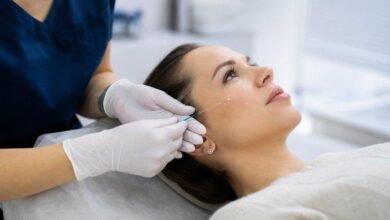
Multi-specialty medical facilities provide coordinated care that addresses both immediate injury and underlying factors. Orthopedic specialists assess structural damage and determine whether surgical intervention offers the best outcome. Physiotherapists design progressive rehabilitation programs that restore strength, flexibility, and proprioception. Sports medicine physicians bridge these disciplines, managing everything from acute injuries to chronic overuse conditions.
For those living in or traveling to the UAE, comprehensive sports injury assessment and treatment is available through specialist services. A sports injury clinic dubai offers access to diagnostic imaging, orthopedic consultation, physiotherapy, and rehabilitation planning under one roof, streamlining the recovery process for both residents and international patients seeking coordinated care.
Rehabilitation: The Unglamorous Essential
Most athletes rush back to activity the moment pain subsides, skipping the structured rehabilitation that prevents recurrence. Proper recovery follows phases: reducing inflammation and restoring range of motion first, then rebuilding strength, and finally reintroducing sport-specific movements. Cutting these phases short leaves compensatory movement patterns and weakness that set the stage for repeat injury.
Strengthening exercises target not just the injured area but the entire kinetic chain. An ankle sprain requires calf, hip, and core work alongside balance training. Rotator cuff rehabilitation includes scapular stabilization. Hamstring tears demand attention to glute strength and lumbar stability. This comprehensive approach addresses the biomechanical factors that contributed to injury in the first place.
Progressive Loading Principles
Tendons and ligaments adapt more slowly than muscles, requiring gradual increases in load over weeks rather than days. The 10 percent rule, while not absolute, provides a useful framework: increase training volume, intensity, or duration by no more than 10 percent per week. This allows tissues to remodel and strengthen in response to stress rather than accumulating damage faster than repair mechanisms can manage.
Prevention Strategies That Actually Work
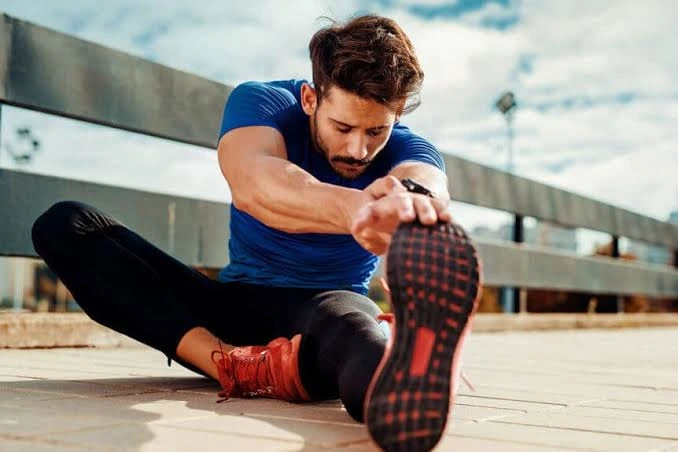
Dynamic warm-ups that mimic sport movements prepare tissues better than static stretching alone. Five to ten minutes of progressive movement, gradually increasing range and speed, reduces injury risk more effectively than sitting on the ground pulling your toes. Strength training twice weekly builds resilience in muscles, tendons, and bones, creating a buffer against the forces imposed during sport.
Adequate recovery between sessions matters as much as the training itself. Muscles repair and strengthen during rest periods, not during the workout. Sleep quality, nutrition timing, and managing life stress all influence how well your body adapts to training load. Monitoring subjective fatigue, muscle soreness, and performance metrics helps identify when you’re pushing too hard before injury strikes.
Proper technique protects joints and distributes force efficiently. Running gait analysis identifies biomechanical issues like overpronation or asymmetrical loading. Swimming stroke assessment reveals shoulder positioning problems. Golf swing analysis detects rotation patterns that stress the lower back. Addressing these technical flaws reduces cumulative stress on vulnerable structures.
The Recovery Environment
International health guidance emphasizes access to qualified medical facilities, particularly for expatriates and travelers engaging in sports. The official list of UAE medical facilities maintained by the UK government provides verified healthcare options for British nationals, though it serves as a useful resource for anyone seeking established medical infrastructure abroad.
Cultural factors influence recovery approaches just as much as medical ones. Mediterranean and Middle Eastern cuisines rich in olive oil, fish, and vegetables provide the anti-inflammatory nutrients that support tissue repair. Much like the careful preparation of traditional dishes such as arancini, which requires patience and attention to each ingredient, successful injury recovery demands a methodical approach where each phase builds properly on the last.
Long-Term Athletic Development
Viewing injuries as isolated events misses the pattern. Recurrent problems in the same area signal underlying issues: muscle imbalances, biomechanical faults, training errors, or inadequate recovery. Tracking injuries over time reveals these patterns and guides modifications to training programs, technique, or equipment.
Age-related changes require honest adjustments. Tendons become less elastic, cartilage thins, and recovery takes longer after 40. This doesn’t mean abandoning sport, but it does mean prioritizing movement quality over volume, incorporating more recovery days, and addressing mobility limitations that accumulate with age. Athletes who adapt their approach continue enjoying sport for decades; those who train like they’re still 25 accumulate injuries that eventually force complete cessation.
Staying active through middle age and beyond delivers profound health benefits: reduced cardiovascular risk, maintained bone density, better metabolic health, and preserved cognitive function. The key lies in balancing enthusiasm with pragmatism, recognizing warning signs early, and seeking appropriate care when self-management isn’t enough. Sports injuries need not mark the end of an active life, but managing them properly determines whether they become minor interruptions or permanent limitations.