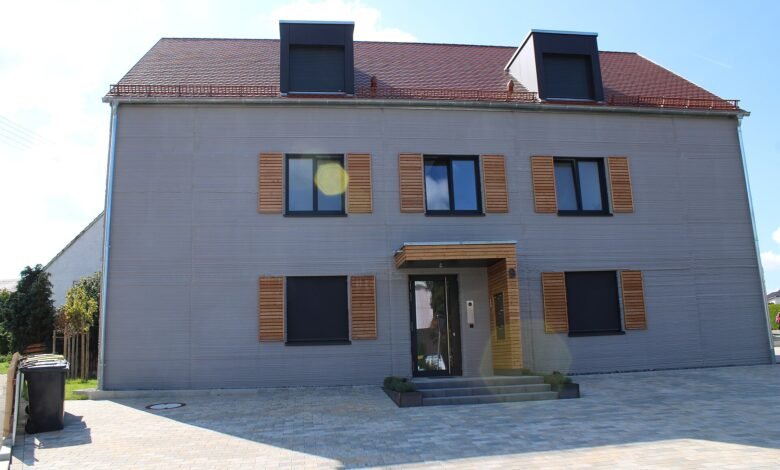
3D Printed House Costs: The Honest Breakdown
A 3d printed house sounds like it should be dramatically cheaper than a conventional home, because a robot does the work of a bricklaying crew in a fraction of the time. The honest picture is more nuanced. Builders report that printing the shell of a home can cost 20 to 50 percent less than a comparable traditionally built structure, with labour savings of up to 80 percent on the wall-printing phase alone and construction waste cut by 30 percent or more. Those are real savings, and they matter, but they apply to the walls only, not to the finished home.


The catch is that the printed walls are only part of the bill. Foundations, roofing, windows, doors, plumbing, wiring, insulation, kitchens and bathrooms still cost what they always cost, and together they make up the majority of any home’s price. That is why a finished printed house usually sells for roughly the same as a comparable conventional home, rather than half the price. The savings show up in speed, in reduced waste and in smaller site crews, which is genuinely valuable, but buyers should ignore any headline promising a half-price house, because no builder is actually delivering one today.
3D Printed House Mortgages: What Lenders Actually Say
Getting a mortgage is the question that worries most would-be buyers of a 3d printed house, and the news here is better than many people expect. In the United States, the major mortgage backer Fannie Mae has clarified that a printed house with a traditional design, built from conventional materials, is not considered nontraditional for mortgage purposes, which removes one of the biggest obstacles to mainstream lending. Major banks have followed: Wells Fargo has announced it will write mortgages on homes built by ICON, one of the leading 3D printing companies, and has even offered a 50 basis point lender credit to buyers of those homes.
That does not mean every lender will say yes, and buyers should approach the process with their eyes open. The practical advice from mortgage specialists is to be direct: tell the lender up front that the home is 3D-printed, provide the address and the builder’s details, and ask whether it can finance the completed home as an ordinary one-unit primary residence. Guides on how to finance a 3D-printed house stress that the buyer will go through the same mortgage process as any other purchase, with the same documents, from tax returns and pay slips to bank statements and insurance details. A completed home follows the simpler purchase path, while a home still under construction may need construction-to-permanent financing that converts to a normal mortgage after completion.
3D Printed House Appraisals and the Comparables Problem
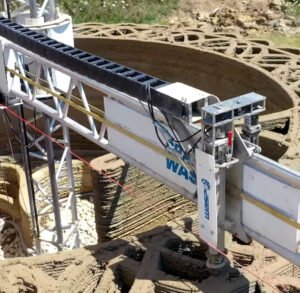
The single biggest headache in financing a printed house is the appraisal, because lenders value a home by comparing it with similar homes that recently sold nearby, and in most areas there simply are not any. If no 3D-printed home has ever sold in the neighbourhood, the appraiser has no comparable sales to work from, and that makes it difficult to establish a market value that the lender can rely on. This is not a flaw in the house itself; it is a flaw in a system that was built for a world where every home was built the same way.
The industry is adapting, slowly but visibly. Fannie Mae now instructs appraisers to enter “3D Printed Home” in the appraisal description field for the property and for relevant comparable sales, which means printed homes are starting to be tracked as a category of their own. As more printed neighbourhoods are completed and resold, the comparable-sales problem will fade, because each resale creates the data the next appraisal needs. Until then, buyers should expect the appraisal to take longer than usual, and should keep a close eye on whether the appraised value comes in at or above the purchase price, because a low appraisal can derail a mortgage even when the buyer and seller agree on the figure.
3D Printed House Insurance: What Underwriters Need
Insurance is the second hurdle after the mortgage, because underwriters are still learning how to price a home whose walls were extruded by a robot. The good news is that printed concrete walls are, by most measures, tougher than timber framing: they resist fire, shrug off high winds, and give mould and termites nothing to feed on. Those are exactly the qualities an insurer likes to see, and they should, in time, translate into competitive premiums. The challenge is that insurers price risk from decades of claims data, and printed homes have barely a decade of it.
Buyers can help their own case by arriving with documentation. Ask the builder for engineering certification, structural warranties, test results and details of the printing system used, and present them to the insurer alongside the standard property information. It also helps to understand how insurers handle unusual properties in general, because the claims process for a printed home will follow the same rules as any other: thorough documentation, prompt reporting and clear evidence. Our guide to fire and water damage restoration explains how insurers assess property damage and what paperwork speeds up a claim. Shop around, because the first quote is rarely the best one for a non-standard property.
3D Printed House Running Costs and Long-Term Value
Beyond the purchase price, a 3d printed house has a genuinely attractive running-cost story. Thick printed walls with well-designed cavities provide good insulation, which keeps interiors cooler in summer and warmer in winter, and that shows up directly in lower heating and cooling bills. The concrete structure needs very little maintenance compared with a timber home, with no rotting window frames, no termite treatments and no repainting of external cladding every few years. Over a twenty-year ownership period, those savings add up to a meaningful sum, even if the purchase price was no lower than a conventional home.
Long-term value is the open question, and honest sellers will admit it. Nobody yet has fifty years of evidence about how printed walls age, and resale values depend on buyers feeling comfortable with the technology, which varies by market. The strongest sign for the future is the growing list of mainstream lenders and builders treating printed homes as ordinary property, because confidence is what turns a novelty into an asset class. A buyer who plans to stay in the home for many years, and who values low running costs over speculative resale gains, is making the most sensible bet on a printed home today.
3D Printed House Verdict: Who Should Buy One
So who should actually buy a 3d printed house? The best candidates are buyers who care about running costs, speed of construction and durability, and who are willing to do a little extra paperwork on the mortgage and insurance side. Families buying in a printed neighbourhood built by an established developer, with mainstream lender support already in place, face the least friction of all. Buyers who want a one-off custom home on an awkward plot, or who need a quick resale within a few years, should probably wait until the market matures further.
The broader verdict is that the technology has crossed the line from experiment to real housing. When a bank as large as Wells Fargo is writing mortgages on printed homes, and when the mortgage industry’s own rulebook has a specific field for them, the question is no longer whether printed homes are legitimate. Reports on Wells Fargo writing mortgages for ICON 3D-printed homes show how far mainstream finance has already come. The remaining work is unglamorous but essential: more comparable sales, more insurance data, and more completed neighbourhoods, each one making the next purchase a little easier than the last.
Frequently Asked Questions
Can you get a mortgage on a 3d printed house? Yes, in most cases. A completed 3d printed house can be financed with a conventional or government-backed mortgage, and Fannie Mae has confirmed that a traditionally designed printed home built from conventional materials is not considered nontraditional for mortgage purposes. Tell the lender up front that the home is 3D-printed, and expect the appraisal to take longer than usual because comparable sales may be scarce. A home still under construction may need construction-to-permanent financing instead, which converts to a normal mortgage once the build is complete.
Is a 3d printed house cheaper than a normal house? The printed shell can cost 20 to 50 percent less than a conventional structure, with labour savings of up to 80 percent on the wall-printing phase and waste cut by 30 percent or more. However, the finished home usually costs about the same as a comparable traditionally built home, because foundations, roofing, services and finishes make up most of the price. The real savings appear in lower running costs, faster construction and reduced maintenance over the life of the home, rather than in a dramatically lower purchase price.
Final Thoughts
The 3d printed house is no longer a curiosity from a technology exhibition; it is a real home that real lenders will finance, real insurers will cover, and real families already live in. The costs are honest rather than miraculous: cheaper walls, similar total prices, lower running costs and a little extra paperwork at the mortgage stage. Buyers who understand that trade-off, and who do their homework on lenders, appraisals and insurance before committing, will find printed homes to be a practical and increasingly mainstream choice.
If you are considering one, start with the financing, not the floor plan. Speak to a lender early, ask about appraisals and comparable sales in your area, and get insurance quotes before you fall in love with a particular property. The families already living in printed neighbourhoods are the proof that the model works, and each completed sale makes the path easier for the next buyer. The printer may have built the walls, but it is the paperwork that turns a printed structure into a home.