Sustainable Development in 2026: Practical Ways Small Communities Are Fighting Climate Impact

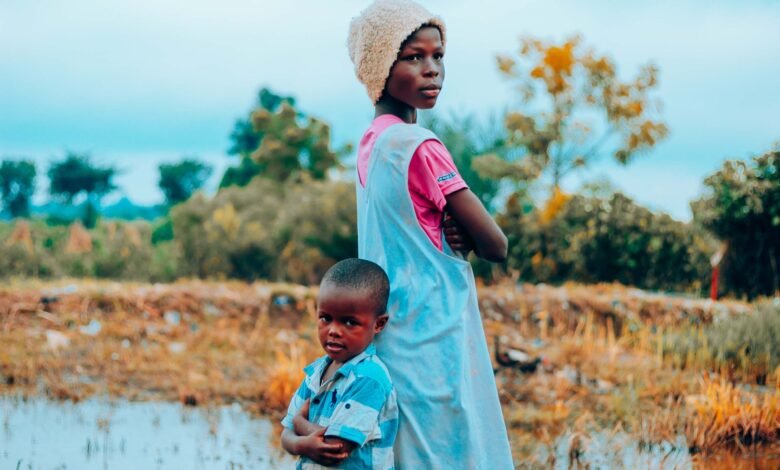
Climate change can look like a huge, complicated problem when it’s discussed in reports and conferences. But for a small community, it can be much more basic than that. There may be too much water one month and hardly any the next. A school might become unbearably hot during the afternoon. A farmer may lose part of a crop because the rainy season arrived late.

These aren’t really ordinary climate problems anymore. They affect things people need to deal with every day. And in 2026, a lot of smaller communities are finding fairly practical ways to deal with them.
Sometimes The Answer Is Already There
Coastal communities are a good example. Instead of trying to build huge concrete structures everywhere, some areas are restoring mangroves, wetlands and other vegetation along the coast. Countries such as the Philippines and Indonesia are using wider green areas to help deal with waves, tidal flooding and coastal erosion.
Mangroves slow down water and provide somewhere for wildlife to live. They can also support fishing communities, which means restoring them isn’t just about protecting the environment. There’s a livelihood attached to it too. That matters when a community is already dealing with several problems at once.
Heat Is Becoming a Building Problem
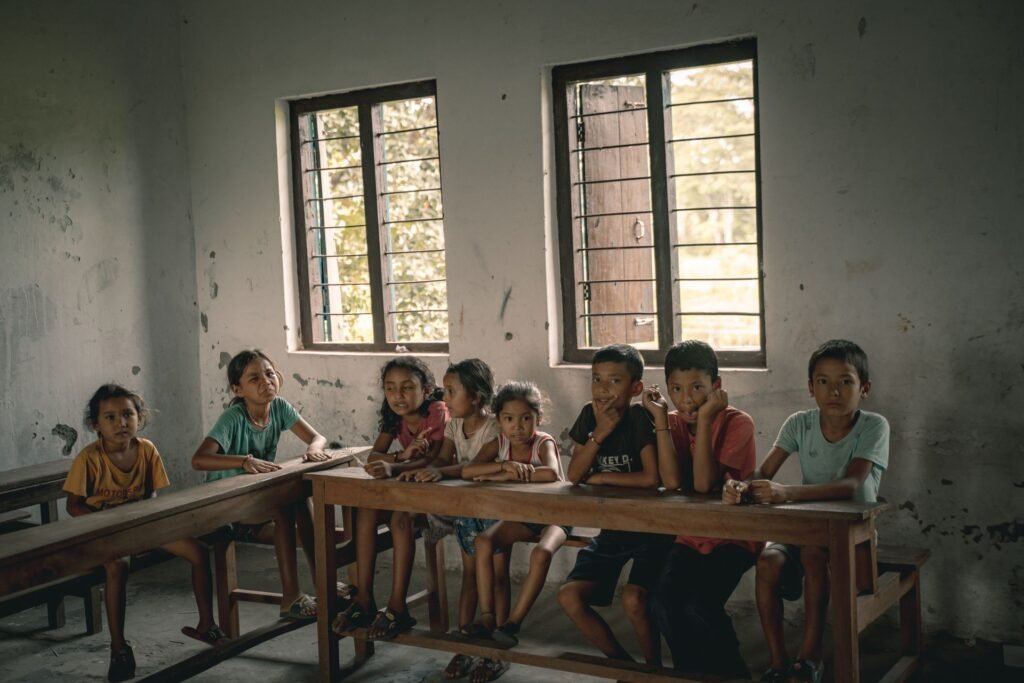
Hot weather creates another issue. A school can technically be open, but if the classrooms are extremely hot, studying becomes much harder. The same goes for community centres, clinics and other buildings. Air conditioning is not always the answer. In some places, it is too expensive or the electricity supply is unreliable. So some projects are going back to basics. Better airflow. More shade. Higher roofs. Materials that do not trap as much heat. Solar panels. These changes can make a building much easier to use. And once something has been built, reducing the amount of energy needed to keep it comfortable can save money for years.
Farmers Are Having to Rethink Things
Agriculture is another area where climate change is becoming very difficult to ignore. Rainfall is less predictable in many places. Long dry periods can put enormous pressure on smaller farms, while sudden heavy rain can damage crops and wash away soil. Farmers are responding in different ways. Some are using solar-powered irrigation. Others are choosing crops that cope better with heat and dry conditions. Better weather information can also help with decisions about planting and watering.
There are newer tools too. AI is being tested for things like identifying pests and crop diseases. It sounds quite advanced, but the basic purpose is simple: spot a problem before it becomes a much bigger one. Of course, technology is not going to replace local farming knowledge. Someone who has worked the same land for decades will know things that a digital tool simply cannot. The useful part is bringing the two together.
Then There Is the Water Problem
This is probably one of the biggest practical issues. A community cannot really talk about long-term resilience if people still don’t have reliable access to clean water. Drought is one problem. Flooding can be another. Infrastructure can also become damaged or simply stop being enough as local needs change.
Sometimes the solution is not a massive infrastructure project. Rainwater harvesting can help. Better storage can help. More efficient irrigation can help. And for communities where access is still limited, people looking to support a practical project can donate water pump equipment to help provide more reliable access to clean water. There is something worth remembering here, though. A pump is not useful forever just because it has been installed. There needs to be a suitable water source. Someone has to maintain the equipment. If it stops working, there needs to be a way to repair it. That is why community involvement matters so much with basic infrastructure.
Local People Usually Know What Is Needed
This is becoming a bigger part of climate adaptation work. Instead of an outside organisation arriving with a fixed plan, more projects are giving communities a say in where money and resources should go. That can make a big difference. The people living there know which road floods first. They know which water source dries up. They know when the heat becomes too much for children in classrooms or when crops usually start struggling. That information is difficult to get from a spreadsheet.
The World Bank has also been looking at locally led climate action, particularly the connection between community decision-making, resilience and local economic opportunities. It is not about leaving communities to solve everything alone. Technical expertise and funding still matter. But the people affected by a project should have a reasonable say in what actually gets built.
It Does Not Have to Be One Big Solution
This is probably the most realistic way to look at sustainable development. There is rarely one project that fixes everything. A coastal community might need mangrove restoration and better drainage. Farmers may need irrigation as well as more resilient crops. A school might need better ventilation and a more reliable power supply.
Water is the same. Providing equipment is useful, but maintenance, training and local ownership are what help keep it useful. That is what makes some of these smaller projects interesting in 2026. They are not necessarily about futuristic technology or enormous construction projects. Sometimes it is a mangrove belt. Sometimes it is a cooler classroom. Sometimes it is a farmer changing what is planted because the weather has changed. And sometimes it is simply making sure a family can get clean water without having to spend hours looking for it. Climate change is a global issue, but the response does not always have to be. For many small communities, resilience is being built through a lot of fairly ordinary improvements, one practical problem at a time.