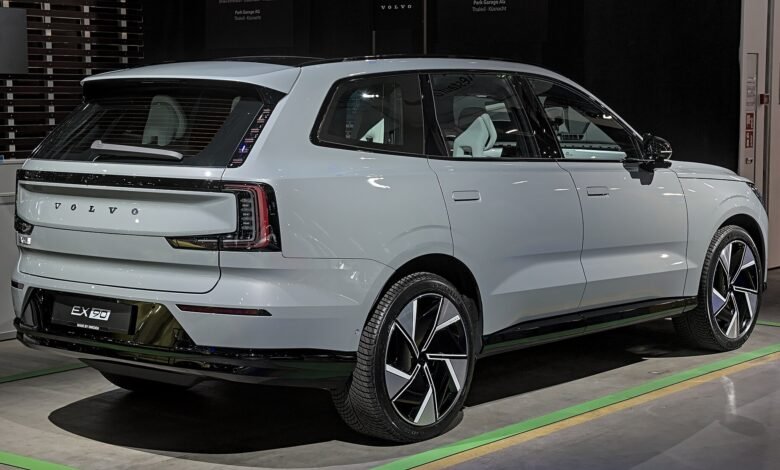
Volvo EX90 Against the Kia EV9 and Hyundai Ioniq 9
The Volvo EX90 enters one of the toughest fights in the electric car market, because its two most obvious rivals, the Kia EV9 and the Hyundai Ioniq 9, are both cheaper, roomier in the third row, and already proven with family buyers across Britain. Reviewers have been blunt about this: CAR magazine calls the Korean pair the better seven-seaters, and Parkers gives the Volvo a middling three and a half stars out of five, praising its refinement while marking it down for cabin space and touchscreen frustrations. That verdict stings when the Volvo starts at more than seventy-three thousand pounds, because families shopping at this price expect the car to feel special in every way, not merely in some of them.


Where the Volvo fights back is in the things that are harder to measure on a specification sheet. The cabin feels genuinely luxurious, with calm Scandinavian design, beautiful materials and a hush at motorway speed that neither Korean rival quite matches. Volvo’s reputation for safety also carries real weight with parents, and the brand’s dealer network and long history in Britain give buyers a sense of security that newer electric brands cannot yet offer. The question, then, is not whether the Volvo is a good car, because it plainly is, but whether its polish and prestige are worth the considerable premium over two rivals that do the practical family job just as well.
Volvo EX90 Prices, Trims and What You Actually Get
Understanding the Volvo price list is the first step to judging its value, because the range stretches from £73,160 for the entry-level Single Motor Core all the way to £98,160 for the flagship Twin Motor Performance Ultra. In between sit the Twin Motor Core from £79,060, the Single Motor Plus from £80,160 and the Twin Motor Plus from £86,060, with the Ultra at £93,860. Even the Core trim is generously equipped, with a 14.5-inch touchscreen, four-zone climate control, a fixed panoramic roof, 20-inch alloy wheels and a vast array of safety technology fitted as standard across the range.
Moving up the range buys comfort rather than essentials: Plus adds 21-inch wheels, a head-up display, a 360-degree parking camera and a Bose sound system, while Ultra adds air suspension, 22-inch rims, soft-closing doors, massaging and ventilated seats and a superb 25-speaker Bowers and Wilkins system. Buyers who want the Volvo badge without the headline price should also look at the used market, where nearly new examples change hands for roughly £59,000 to £71,000, or at leasing deals from around £806 per month. Anyone weighing finance should also read our guide to how car finance deals really work before signing anything.
Volvo EX90 Space, Seats and Family Practicality

On paper, the Volvo should be the perfect family car: seven seats, a body more than five metres long, and a flat electric floor that promises generous room for everyone. In practice, the third row is the car’s weakest point, because the rearmost seats are best suited to children and shorter journeys rather than full-size adults on a long holiday run. The seats themselves fold electronically and sit flush with the floor, which is a neat party trick, and with all seven seats upright there is still room for a couple of large suitcases plus space beneath the floor for charging cables.
For everyday family life, the Volvo EX90 is easier to live with than its third-row compromise suggests. The middle row is spacious and comfortable, the cabin is full of sensible storage, and the huge panoramic roof makes the interior feel bright even on grey British days. Parents will appreciate the calm, uncluttered dashboard and the way the car shrugs off long motorway journeys, while the sheer size of the thing is worth remembering before you commit: at over five metres long and more than two metres wide, it needs a generous parking space and a driveway with room to spare. Measure your garage before you order, not after.
Volvo EX90 Running Costs, Charging and Insurance
The Volvo makes a strong case on running costs, starting with an official WLTP range of roughly 298 to 385 miles depending on the version, which is enough for most families to treat long journeys as a single-charge affair. The 106kWh battery and modern 800-volt architecture mean rapid charging is genuinely quick, with a 10 to 80 percent top-up taking around half an hour on a fast charger, while home charging overnight on a wallbox covers the daily routine. Energy consumption of around 2.7 to 3.2 miles per kWh is respectable for a car of this size, though it will never match the efficiency of a smaller electric hatchback.
The less cheerful running costs deserve equal attention. The car sits in insurance group 50, the highest band, so premiums will be steep, particularly for younger drivers or anyone living in a high-claim postcode. Road tax runs from £200 to £640 depending on the year, and because the car costs far more than £40,000, owners also pay the expensive-car supplement of £425 a year for five years from the second licence. Servicing an electric car is simpler than maintaining a petrol equivalent, with no oil changes or exhaust worries, but tyres and brakes on a vehicle weighing nearly 2,700kg will still wear, and replacement costs should be part of any honest family budget.
Volvo EX90 Safety, Software and the Ownership Experience
Safety is where Volvo has built its reputation over decades, and the Volvo EX90 carries that torch with an enormous suite of driver assistance systems, cameras, radar and lidar hardware designed to watch the road in every direction. The car is engineered to spot hazards early, keep the family cocooned in a strong passenger cell, and intervene when a driver is distracted or tired. Official crash-test results are still awaited for some versions, but nobody who follows this industry expects Volvo’s flagship to score anything less than the very highest marks when the results arrive. For the full technical background, see Wikipedia’s technical overview of this model.
The ownership experience is more mixed, and honesty demands saying so. The giant central touchscreen controls almost everything, which looks futuristic in the showroom but can frustrate on the move, when simple tasks like adjusting the mirrors or the climate require a hunt through menus. Software updates arrive over the air and Volvo keeps improving the system, yet the car still asks the driver to do too much through the screen. Owners who adapt to that philosophy tend to love the calm, minimalist cabin; drivers who want physical buttons for everyday controls may find the Korean rivals, with their more conventional layouts, easier to live with day to day.
Volvo EX90 Verdict: Is It Worth the Money
So, is the Volvo worth the money? The honest answer depends entirely on what you value most. If you want the most rational seven-seat electric family car for the least money, the answer is no: the Kia EV9 and Hyundai Ioniq 9 offer more space for less cash, and the Volvo’s premium buys polish rather than practicality. If, however, you want a car that feels genuinely luxurious, that carries the safest badge in the business, and that makes every journey feel like an occasion, the Volvo justifies its price in a way that spreadsheets struggle to capture.
Our advice is simple. Test-drive all three cars back to back, with your children and your luggage, before you decide. If the Volvo EX90 wins your heart on that drive, buy it with confidence, and consider a nearly new used example to soften the depreciation hit. If the Korean cars feel just as good to your family, pocket the saving and spend it on something that matters more than a badge. Either way, you will end up with a superb electric family car, which tells you something important: the real winner in this comparison is the family buyer, who has never had three such strong seven-seat electric SUVs to choose from.
Frequently Asked Questions
How much does a Volvo EX90 cost in the UK? Prices start at £73,160 for the Single Motor Core and rise to £98,160 for the Twin Motor Performance Ultra, with the popular Twin Motor Plus at £86,060. Nearly new used examples are available from roughly £59,000, and leasing deals start from around £806 per month. Remember that cars costing more than £40,000 also attract the £425 annual expensive-car road tax supplement for five years, so the purchase price is only the beginning of the story.
What is the real-world range of the Volvo EX90? The official WLTP range is roughly 298 to 385 miles depending on the version, and most owners should expect around 300 miles in mixed real-world driving, less in cold weather or at sustained motorway speeds. The 800-volt charging system helps on long journeys, with a 10 to 80 percent rapid charge taking roughly half an hour. For most families, that combination means charging stops that are shorter than a service-station coffee break, which is exactly how electric family motoring should feel.
Final Thoughts
The Volvo EX90 is a deeply impressive car that arrives at an awkward moment, because its two Korean rivals do the same family job for less money and with more third-row space. Volvo’s answer is refinement, safety heritage and a cabin that feels a class above, and for many buyers those qualities will be worth every penny of the premium. The car has improved noticeably since launch, with sharper pricing and faster charging, and it deserves to be taken seriously by anyone shopping for a premium electric seven-seater.
Our final word is this: judge the Volvo EX90 on a proper family test drive, not on a specification sheet. Load it with your children, your dog and your luggage, drive it on the roads you actually use, and see whether its calm luxury wins you over. If it does, you will own one of the finest electric family cars on sale in Britain. If it does not, the Kia EV9 and Hyundai Ioniq 9 are waiting with open arms, and your bank balance will thank you for choosing them.