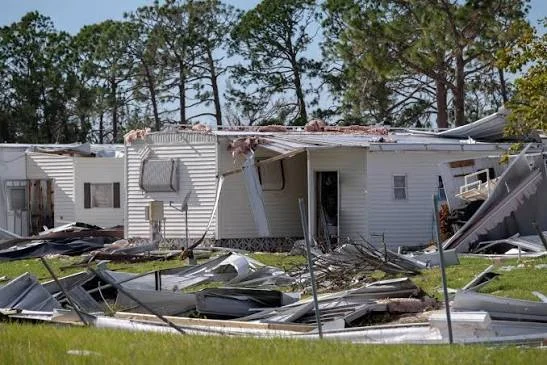
When a major storm hits your property, the consequences are immediately visible. Broken windows, downed trees, missing roof shingles, and flooded basements make themselves known within hours. The damage is dramatic, obvious, and impossible to ignore. However, the real challenge facing most homeowners is not the damage they can see but the damage that develops quietly over months and years. Slow damage, such as that caused by water infiltration, wood rot, foundation settling, and pest infestations, often goes undetected until it has already caused serious structural problems. Understanding the difference between these two types of damage is essential for protecting your home’s long-term health and avoiding costly repairs.


1. Why Storm Damage Is Immediately Apparent
Storm damage announces itself with force. High winds tear at roofing materials and siding, heavy rain overwhelms drainage systems and creates visible water pooling, and lightning strikes leave scorch marks and electrical damage. Hail leaves dents in vehicles and punctures in roof coverings. Because storm events occur suddenly and violently, homeowners naturally pay close attention to their property in the aftermath, walking their yards, inspecting roofs from the ground, and photographing damage for insurance claims. This immediate visibility means that storm damage is typically documented and addressed quickly, often with insurance coverage to help offset the costs. Most homeowners will call a contractor within days of a major storm, ensuring that emergency repairs happen before additional weather events make conditions worse.
2. The Deceptive Nature of Slow Damage
Slow damage operates in a completely different way, developing gradually and often without any obvious signs until substantial harm has already occurred. Water seeping through a tiny crack in the foundation might go unnoticed for months, yet over time it saturates the soil beneath the home and weakens structural integrity. A small leak in an attic or wall cavity might drip undetected for years, slowly rotting wood framing and promoting mold growth. Termites and carpenter ants work silently inside walls and wooden beams, compromising structural strength long before any visible damage appears on the surface. Because slow damage lacks the shock factor of a storm, homeowners often overlook it until a routine inspection reveals that a seemingly minor issue has developed into a major problem requiring expensive remediation.
3. The Hidden Costs of Delayed Detection
The financial consequences of slow damage can exceed those of storm damage in surprising ways. When storm damage appears, the scope is clear and insurance typically covers the cost. When slow damage finally becomes apparent, however, repair bills often arrive without insurance support because the damage developed gradually rather than suddenly. A roof leak that goes undetected for a year might require not just roof repair but complete replacement of rotted decking, insulation, and interior drywall. A foundation crack allowing water infiltration might lead to basement flooding, mold remediation, and structural reinforcement, while unchecked pest damage might require fumigation, removal of infested wood, and rebuilding of affected structural elements. These compounding effects mean that slow damage frequently costs significantly more to repair than it would have cost to address at an early stage, and it can also affect a home’s resale value or create disclosure liability for future buyers.
4. Early Detection Methods for Slow Damage
Because slow damage develops without warning, homeowners need to actively look for it through regular inspections and maintenance. Walking your property’s perimeter monthly to check for water pooling, foundation cracks, or changes in soil level can catch grading problems early. Inspecting your basement or crawl space after heavy rains helps identify water infiltration points before they cause serious damage, and checking attics and wall cavities during seasonal changes allows you to spot leaks, pest activity, and moisture problems while they remain manageable. Monitoring wood surfaces around your home for signs of rot, discoloration, or soft spots can reveal decay before it compromises structural elements. Professional home inspections every three to five years provide a trained eye capable of identifying problems homeowners might miss, and termite inspections from qualified pest control professionals can catch infestations in their early stages when treatment is less invasive and less expensive.
Post-storm roof assessments are equally valuable for catching hidden shingle or flashing damage before it transitions into a slow, ongoing leak. Many Austin homeowners turn to Ace Roofing in Austin for these evaluations, as thorough post-event inspections routinely surface vulnerabilities that are invisible from the ground. Gutter cleaning and downspout maintenance round out a proactive approach by preventing water from pooling near your foundation. These steps may require modest effort each season, but they consistently cost far less than emergency repairs after slow damage has advanced to a critical stage.
5. Creating a Maintenance Schedule to Combat Slow Damage
Developing and following a regular maintenance schedule is one of the most effective defenses against slow damage. Spring is an ideal time to inspect your roof for missing or damaged shingles, check flashing around chimneys and vents, and clear gutters that accumulated winter debris. Summer allows you to observe how water drains around your home during heavy rains and to inspect grading for areas where water pools or flows toward the foundation. Fall provides an opportunity to clean gutters again before leaf clogs form and to check for cracks or gaps in exterior walls and the foundation. Winter inspections can reveal ice dam problems or areas where snow accumulation points to roof insulation or ventilation issues. Keeping detailed records of inspections and maintenance activities helps track patterns and identify areas that need more frequent attention, so that a homeowner who invests a few hours each season is consistently catching developing problems while repair options remain affordable and non-invasive.
Conclusion
The contrast between storm damage and slow damage highlights an important truth about home maintenance: what is easy to see is not always what causes the most serious problems. Storm damage demands attention through its immediate visibility and destructive force, but slow damage poses a greater long-term threat precisely because it goes unnoticed. Unlike storm events, slow damage is happening constantly in homes everywhere, multiplying and compounding with each passing season. Homeowners who rely only on reacting to visible problems will inevitably face situations where slow damage has already caused expensive structural issues. By understanding the deceptive nature of slow damage and committing to regular inspections and maintenance, you can protect your home’s integrity and preserve its value. The time invested in early detection will save you from far larger repairs and expenses in the future.