Titanium Dioxide: Essential Applications in Plastics, Packaging, and Modern Chemical Industries

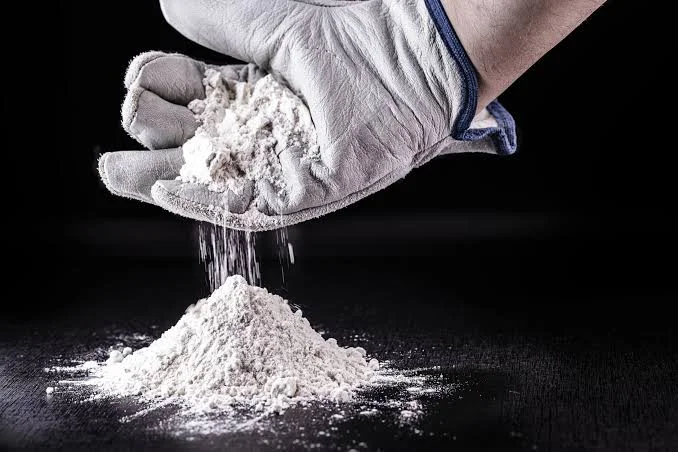
Titanium dioxide (TiO₂) is one of the most important inorganic materials used across modern manufacturing. Known for its exceptional whiteness, brightness, opacity, and chemical stability, this versatile compound plays a significant role in producing everyday products, from plastic packaging and household goods to cosmetics and industrial coatings. As manufacturers continue to demand better product quality, durability, and consistent performance, titanium dioxide remains an essential component in many industrial formulations.


Its value goes beyond providing a white appearance. Titanium dioxide also improves light reflection, helps protect materials against ultraviolet radiation, and contributes to long-lasting product quality. Understanding its properties, grades, and applications can help manufacturers make informed decisions when selecting raw materials for their production processes.
1. Understanding the Properties of Titanium Dioxide
Titanium dioxide is a naturally occurring oxide of titanium that is commercially produced for various industrial and specialty applications. Its high refractive index allows it to scatter visible light effectively, making it particularly useful when manufacturers require strong whiteness and hiding power.
Another important characteristic is its chemical stability. TiO₂ generally maintains its performance under different processing conditions, making it suitable for applications where color consistency and material reliability are important.
The two primary crystalline forms are rutile and anatase. Although both provide useful pigment properties, they differ in optical characteristics, durability, and suitability for particular applications. Rutile is commonly preferred for demanding outdoor and industrial applications because of its strong weather resistance, while anatase is used in selected specialty formulations.
Understanding these differences is important when evaluating material specifications and working with experienced titanium dioxide producers.
2. Importance of Titanium Dioxide in Plastic Manufacturing
The plastics industry depends on titanium dioxide to achieve consistent color, opacity, and visual quality. It is widely incorporated into polyethylene (PE), polypropylene (PP), polyvinyl chloride (PVC), and other polymer-based materials.
In plastic manufacturing, TiO₂ helps create bright white products while reducing transparency when an opaque finish is required. This makes it valuable for manufacturing containers, pipes, household products, automotive components, and plastic films.
Dispersion is another important consideration. Poorly dispersed pigment can create uneven coloring, visible spots, and inconsistent product quality. Selecting an appropriate grade and maintaining suitable mixing conditions help manufacturers achieve smoother results.
Rutile grades are particularly useful in applications that require improved outdoor durability and resistance to environmental exposure. Manufacturers should evaluate particle size, surface treatment, oil absorption, and compatibility with the selected polymer before choosing a pigment.
3. Role in Packaging and Product Protection
Packaging manufacturers use titanium dioxide to improve the appearance and functional performance of different materials. White plastic bottles, cosmetic containers, food packaging, and industrial films often rely on its pigmentation properties.
Opacity is especially important in packaging because it helps limit light transmission. Depending on the packaged product, reducing exposure to light can help protect light-sensitive contents. Titanium dioxide also supports consistent branding by producing uniform white backgrounds for printing, labeling, and decorative finishes.
In flexible packaging, the selected pigment must work effectively with the polymer and manufacturing process. Factors such as extrusion temperature, pigment concentration, dispersion, and film thickness can influence the final appearance.
As packaging companies explore recyclable materials and lightweight designs, choosing suitable additives becomes increasingly important. Titanium dioxide grades must therefore meet both processing requirements and the performance expectations of the finished packaging.
4. Applications in Cosmetics and Personal Care Products
Titanium dioxide is also widely used in cosmetics and personal care formulations. Its ability to provide opacity, brightness, and UV light scattering makes it useful in products such as foundations, face powders, creams, and sunscreens.
In makeup products, it helps improve coverage and contributes to a smooth, uniform appearance. In sunscreen formulations, specially selected titanium dioxide particles can function as mineral UV filters by scattering and absorbing ultraviolet radiation.
However, cosmetic applications require careful attention to particle characteristics, purity, surface treatment, and applicable regulatory requirements. Not every industrial grade is suitable for personal care formulations.
Manufacturers should assess the intended application and obtain relevant technical and safety documentation before incorporating titanium dioxide into cosmetic products. Proper formulation and testing are essential for achieving consistent quality and product safety.
5. Choosing the Right Grade for Industrial Applications
Selecting the correct titanium dioxide grade requires more than comparing prices. Manufacturers need to consider the intended application, processing conditions, required opacity, weather resistance, and compatibility with other formulation ingredients.
For example, plastics and masterbatch production may require excellent dispersion and consistent whiteness, while outdoor applications often place greater emphasis on weatherability and long-term color stability.
Rutile grades are frequently considered for applications requiring higher durability. Understanding the specific characteristics of titanium dioxide rutile can help industrial buyers identify suitable materials for their production requirements.
Reliable suppliers should also provide technical data sheets, safety information, product specifications, and batch quality documentation. Testing samples under actual manufacturing conditions is another effective way to confirm performance before placing large orders.
Conclusion
Titanium dioxide continues to play an important role in chemical engineering, plastics, packaging, and cosmetics because of its valuable optical properties, chemical stability, and versatility. From improving the whiteness of plastic products to supporting opacity in packaging and coverage in cosmetic formulations, its applications extend across numerous manufacturing sectors.
As industrial requirements evolve, manufacturers will increasingly need materials that deliver consistent performance, reliable processing, and long-term value. Selecting the appropriate grade, understanding technical specifications, and maintaining strong supplier relationships will remain essential parts of this process.
With continued developments in material science and manufacturing technology, titanium dioxide is expected to maintain its position as a valuable industrial pigment for years to come.