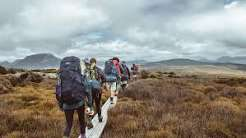
Tasmania’s wilderness is one of the most spectacular natural regions in Australia. Hikers seeking a getaway from the bustle of city life will find a one-of-a-kind experience in lush jungles, rocky mountains, and remote walking trails. That said, while it is beautiful, the dangers of trekking in Tasmania’s wilderness should never be underestimated.


Many Australians are attracted by Tasmania’s unspoilt natural surroundings. But that same isolation might turn perilous quickly if hikers are not prepared. Those wanting to travel to the region should be aware of these issues.
Why Tasmania’s wilderness is different
Tasmania is a different kettle of fish to other Australian trekking locations. The landscape is less predictable, the weather changes faster, and many paths are far away from towns. Even seasoned hikers sometimes find themselves in tricky spots.
The environment of the island is comprised of dense forests, rugged valleys, and small, hard-to-walk routes. In some regions we have next to no mobile signal. This means that if something goes wrong, it can take a lot longer to get help than you expect.
Mainland Australian bushwalkers are accustomed to well-marked trails, but in Tasmania it can feel considerably more remote and challenging.
Unpredictable weather conditions
The weather is one of the most essential considerations when walking in Tasmania. Conditions might change in minutes, even on the same day. You can have a deluge, fog, or severe winds in minutes on a beautiful, clear morning. Cold weather can be a problem, particularly at higher elevations. Hypothermia can be a real problem if hikers are not dressed for the conditions or if they are caught by surprise.
Rain can make paths slippery and more likely to tumble. Sometimes fog might get in the way and make it tough to keep on the straight track. All of these things together can make a simple hike a deadly circumstance.
Navigation challenges
Another great hazard in the wilderness of Tasmania is navigation. Some important paths are plainly marked; others are not. It’s easy to get lost, particularly in heavily wooded places. Hikers often carry GPS gadgets or mobile phones, which are not always reliable in isolated areas. Batteries will run down, and you may lose connection abruptly.
So you need a real map and a real compass. Knowing how to use them can make a big difference in an emergency.
Many hikers have been reported lost, and large searches have been necessary. Things can go wrong fast, as the Celine Cremer Tasmania mystery is a well-known example of, even on a planned hike.
Isolation and limited rescue access
Tasmania’s bush is noted for its isolation. Many hiking trails are far away from cities, motorways, and emergency services. That means support can’t always be straight away. Injured or lost hikers could have to wait hours, or even days, for emergency services to find them. Sometimes people have to be rescued by helicopter, especially in isolated places.
And that kind of solitude makes planning all the more vital. Always tell someone your plans, including your route and estimated time of return. “If something does go wrong, this simple technique can help authorities respond quickly.”
Physical and mental demands
Trekking in Tasmania is a physical and emotional challenge. The terrain is rugged and demands a lot of endurance and stamina. Long distances, steep climbs, and rough tracks may soon tire out even the fittest of walkers. Mental stress can build up, especially when a person gets disoriented or experiences unexpected events. Panic and bad decision-making can make things worse.
You have to keep a cool and sensible demeanor when out in the wilderness. These issues demand both planning and experience.
Wildlife and environmental hazards
Tasmania’s ecology is home to an intriguing range of creatures. Most of the animals are harmless, but there are still certain environmental hazards. Hikers should watch out for snakes, which may come out during the warmer months. You can also find leeches in forest areas, especially after rain.
Rivers and streams can be dangerous to cross in heavy weather. Water levels can rise quickly, making crossings unsafe or impossible.
Loose rocks, fallen branches, and muddy paths can all enhance the chance of harm.
Lessons from real incidents
The lessons we’ve learned from real-life instances help us to understand the dangers of walking in Tasmania. “A lot of cases are experienced hikers who underestimated the environment or were caught out by unexpected changes.
Another point of connection is the explanation of the Tasmania mystery by Celine Cremer, which elevated public awareness of the hazards of walking alone in remote locations. It shows that a nice trip can end up in an unexpected way too.
These anecdotes serve as a reminder for Australians to be prepared, observant, and cautious while venturing into wilderness areas.
How to reduce the risks
Tasmania’s bush is dangerous, but it can be negotiated with forethought and preparation. Hikers need to do their homework on the track they choose and conditions they might encounter. You need a piece of equipment. This means gear for the weather, plenty of food and water, navigational tools, and emergency supplies.
Be aware of your own limitations when trekking. You may avoid a lot of problems by choosing a trail that matches your fitness and experience.
Hiking with a friend is often safer than hiking by oneself. If you are hiking alone, take extra precautions.
Final thoughts
Tasmania is home to some of the most rewarding hiking experiences in Australia. Its natural beauty, tranquil surroundings, and sense of adventure attract thousands of tourists each year. But those same features raise real issues. The weather can change suddenly, the navigation is challenging, and being alone can make an easy trip a risky situation.
Tasmania may be enjoyed safely by hikers if they are aware of the hazards and take the required measures. Respect the environment and be mindful of any hazards, and you’ll have a wonderful – and safe – experience. For more Australian news, travel stories, and practical guides like this, follow Daily Post and stay up to date with the latest updates from across Australia.