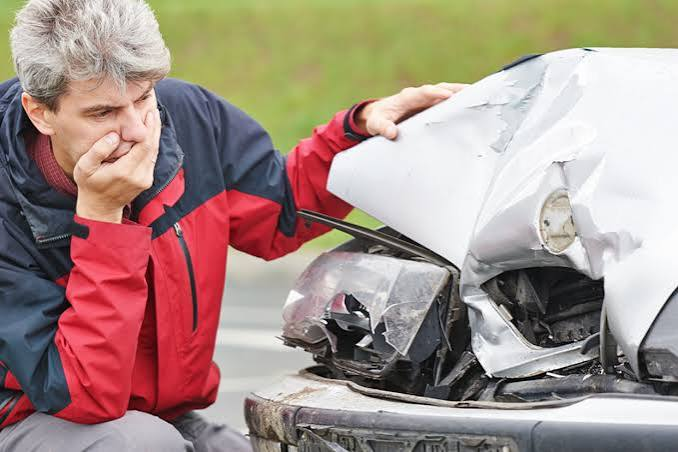
When an employee contacts you to report a car accident, your response sets the tone for how the situation unfolds. Whether the accident occurred during work hours, in a company vehicle, or while commuting to a job site, your actions in the immediate aftermath matter significantly. Understanding the proper steps to take protects both your employee and your business. The process involves immediate safety concerns, documentation, communication, and follow-up procedures. Having a clear protocol in place ensures nothing falls through the cracks and that your company handles the situation professionally and fairly.


Prioritize Safety and Medical Attention
The first priority after any car accident is ensuring that all parties involved receive proper medical attention. Even if your employee claims they feel fine, encourage them to seek a medical evaluation, as some injuries become apparent only hours or days later. Serious injuries or ongoing pain should be addressed immediately, while minor discomfort can be evaluated at an urgent care facility or during a routine doctor visit. Make it clear that their health matters more than any other concern related to the accident. Document whether medical attention was sought and what treatment was provided, as this information becomes relevant for insurance claims and workers’ compensation assessments. Ensure your employee understands that reporting injuries promptly protects them and provides your company with an accurate record of the incident.
Gather Information and Document the Scene
Proper documentation of the accident scene forms the foundation of any claim or investigation. Your employee should collect contact information from all other drivers involved, including their names, phone numbers, addresses, and insurance details. Photos of the accident scene, vehicle damage, and road conditions provide valuable evidence if disputes arise later. The police report number and responding officer information should also be noted, as this official record carries significant weight. Ask your employee to obtain contact information from any witnesses present at the scene. Encourage them to write down their own account of what happened while details remain fresh, as memory fades quickly after traumatic events.
Report the Accident to Your Insurance and HR Department
Notifying your company’s insurance provider promptly ensures that the claim process begins without unnecessary delays. Most commercial auto insurance policies require notification within a specific timeframe, so check your policy details and contact your insurer as soon as possible. Your HR or risk management department should also be informed simultaneously, as they need to update employee records and assess whether any internal investigations are necessary. Provide the insurance company with all documentation collected at the scene, including photos, police reports, and witness statements. When liability questions arise or the circumstances of the accident are disputed, consulting a car accident lawyer in Irvine can help your organization understand its legal obligations and protect both company and employee interests during the claims process. Keep detailed records of all communications with insurance representatives, as these create a paper trail that protects your company.
Support Your Employee Through Recovery
After the immediate crisis passes, your focus should shift to supporting your employee’s recovery and return to normal work duties. If the accident resulted in injuries that affect job performance, work with your employee to determine reasonable accommodations or modified duties while they heal. Stay in regular contact without being intrusive, showing that your organization cares about their wellbeing beyond the incident itself. Provide information about employee assistance programs if your company offers them, particularly if the accident was traumatic or resulted in significant anxiety about driving. Follow up on medical treatment recommendations and any ongoing care needs, and document those updates within the employee’s incident file. Clear communication and genuine support during this period strengthens employee morale and demonstrates that your company values its team members.
Review and Prevent Future Incidents
Once the immediate situation has been resolved, use the incident as an opportunity to review your company’s accident prevention policies. Examine whether driver training programs could benefit your team or whether vehicle maintenance protocols need adjustment. Consider whether the accident highlighted any gaps in your current procedures for handling similar situations in the future. If the accident involved a company vehicle, review the circumstances to determine whether speed, distraction, or unfamiliar routes contributed to the collision. The Occupational Safety and Health Administration provides guidance on motor vehicle safety in the workplace that can serve as a useful reference when updating your company’s driving policies. Share relevant safety lessons with your team without singling out the employee involved, and schedule regular safety meetings to reinforce updated driver guidelines.
Conclusion
Handling an employee car accident involves multiple steps that extend beyond simply notifying insurance. Your response demonstrates how your organization values employee safety, protects company interests, and manages crisis situations. By following a structured approach that prioritizes medical attention, documentation, communication, and support, you navigate the situation professionally and thoroughly. Each accident provides learning opportunities that can improve your company’s safety culture. The way you handle these incidents shapes your company’s reputation among current employees and influences how potential hires view your organization’s commitment to worker welfare and professional standards.