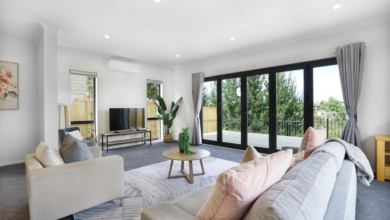
Windows are easy to take for granted. Unless a pane breaks or a frame becomes obviously damaged, many homeowners simply continue using the same windows for years without giving them much thought.


However, windows play a significant role in how comfortable, secure and energy-efficient a home feels. Older or poorly performing windows can allow heat to escape, create uncomfortable draughts and make rooms feel colder than they should. In some cases, the signs that windows need replacing are obvious. In others, they develop gradually.
If you live in an older property or cannot remember when your windows were last replaced, it may be worth taking a closer look. Here are seven common signs that your windows may be approaching the end of their useful life.
1. You Can Feel Draughts Around the Window
One of the clearest warning signs is a noticeable draught.
Stand next to the window on a cold or windy day and pay attention to whether you can feel cold air entering around the frame. Sometimes the problem is simply worn weatherstripping or a small gap that can be repaired. But persistent draughts can indicate that the window no longer seals properly.
Older frames may warp slightly over time, while hinges, locks and seals can also deteriorate.
A draughty window does more than make the room uncomfortable. Your heating system has to work harder to compensate for the heat that is being lost, particularly during the colder months.
If several windows throughout the property have the same problem, replacing them may make more sense than repeatedly repairing individual components.
2. Condensation Appears Between the Glass Panes
Condensation on the inside surface of a window is not necessarily a problem with the window itself. Everyday activities such as cooking, showering and drying clothes indoors can increase humidity and cause moisture to form on cold surfaces.
Condensation between the panes is different.
Modern insulated glazing relies on a sealed space between the glass panes. When moisture appears inside this sealed section, it can indicate that the seal has failed.
You may notice a misty appearance that cannot be wiped away from either side of the glass.
Once the sealed unit has failed, its insulating performance can be reduced. Depending on the condition of the frame, it may be possible to replace only the glass unit. If the windows are already old, however, replacing the complete window could be the more sensible long-term option.
3. Your Home Feels Cold Despite the Heating Being On
A house can feel surprisingly cold even when the heating appears to be working normally.
There are many possible reasons, including insufficient loft insulation, gaps around doors and poorly insulated walls. Windows are another important part of the equation.
Glass and frames separate the heated interior of the home from the outdoor temperature. Older windows generally provide less insulation than modern alternatives, particularly where the property still has single glazing or early generations of insulated glass.
Homeowners considering replacements will often compare modern double glazed windows alongside other glazing options depending on the property, budget and level of insulation required.
It is worth considering the building as a whole rather than expecting new windows alone to solve every energy-efficiency problem. Nevertheless, replacing poorly performing windows can be an important part of improving the overall thermal performance of a home.
4. The Windows Are Becoming Difficult to Open or Close
Windows should operate smoothly.
If you regularly have to force a window open, lift the sash into position or push hard to get the handle to lock, something is probably wrong.
Wooden frames can swell or distort following years of exposure to changing temperatures and moisture. Other types of window can develop problems with hinges, mechanisms or alignment.
Occasional maintenance may solve the issue, particularly if the window is relatively new. But problems affecting multiple windows can suggest that the units are simply becoming worn.
Ease of operation is also important from a practical point of view. Windows provide ventilation and, depending on their position and design, may form part of an emergency escape route. A window that can barely be opened should not simply be ignored.
5. Outside Noise Has Become More Noticeable
Windows are not only thermal barriers. They also help separate your home from outside noise.
If passing cars, neighbours or general street noise suddenly seem more noticeable, worn seals or poorly performing glazing could be contributing to the problem.
This is particularly relevant for homes located near busy roads, railway lines or town centres, where even a modest improvement in sound insulation can make bedrooms and living areas feel much more comfortable.
Glazing is only one factor in acoustic performance. The thickness and composition of the glass, quality of the frame, installation and sealing around the opening all matter.
Therefore, if reducing noise is an important reason for replacing your windows, it is worth considering the complete specification rather than choosing purely on appearance.
6. The Frames Show Visible Damage
Sometimes the decision is much simpler.
Rotten timber, cracked frames, damaged seals, water penetration and significant warping are all signs that a window needs attention.
Small areas of damage can sometimes be repaired, particularly with traditional wooden windows. Regular maintenance can significantly extend their lifespan.
The calculation changes when repairs become frequent or widespread.
Repeatedly paying to repair several ageing windows can eventually become less economical than replacing them with modern units that require less immediate maintenance.
Homeowners should also look around the inside edges of the window for signs of moisture damage, peeling paint or staining. These can indicate that water is entering somewhere around the frame and should be investigated before the surrounding wall is affected.
7. Your Windows No Longer Suit the Property
Not every window replacement is prompted by damage.
Windows are a major part of a property’s exterior appearance. Changing the size, colour or style of the frames can noticeably alter how a house looks from the street.
Inside the property, different window configurations can also affect natural light, ventilation and how easy it is to use the room.
Homeowners renovating an older house may therefore decide to replace perfectly functional windows because they no longer fit the design they are trying to achieve.
That does not mean every renovation requires the latest style of window. Character is particularly important in traditional properties, where poorly chosen modern replacements can look out of place.
The objective should be to find a design that works both technically and visually.
Repair or Replace?
Finding one problem does not automatically mean that the entire window needs replacing.
A broken handle, damaged hinge or worn seal can often be repaired relatively inexpensively. Replacing the glazing unit may also be possible if the frame itself remains in good condition.
The argument for complete replacement becomes stronger when several issues appear at the same time.
For example, a window that is difficult to open, regularly produces draughts and has visible frame damage is likely to require more than a small repair.
The age of the window matters too. Spending money repairing relatively new windows is very different from continually repairing units that have already been in the property for decades.
What Should You Consider Before Ordering New Windows?
Measurements obviously matter, but they are only part of the decision.
Homeowners should also consider the window style, frame material, glazing specification, ventilation requirements and how each window will open.
Energy performance is another important factor. When comparing different products, look beyond marketing descriptions and examine information such as U-values, which indicate how effectively a window limits heat transfer.
Lower U-values generally indicate better insulation.
Installation should also be considered before ordering. Some homeowners are comfortable carrying out substantial renovation work themselves, while others will prefer to use an experienced installer.
Whichever approach you choose, accurate measurements and proper installation are essential. Even a high-quality window will perform poorly if gaps or installation problems allow air and moisture to enter around the frame.
Don’t Wait Until a Window Completely Fails
Windows rarely stop working overnight.
More commonly, their performance deteriorates slowly: a small draught becomes more noticeable, a handle gets harder to operate, condensation begins appearing between the panes or a frame requires increasingly frequent maintenance.
Because the changes are gradual, homeowners often adapt to them without realising how much the windows have deteriorated.
Checking your windows periodically can help you identify problems before they become urgent.
And if several of the warning signs above apply throughout your home, it may be worth comparing the cost of continued repairs with the longer-term benefits of replacing the windows altogether.
A well-considered replacement should not simply make the house look newer. The right windows should make the property more comfortable, practical and better suited to the way you actually live in it.