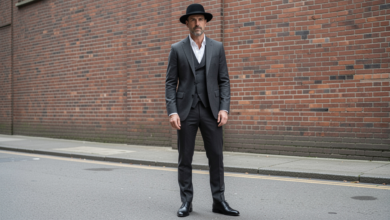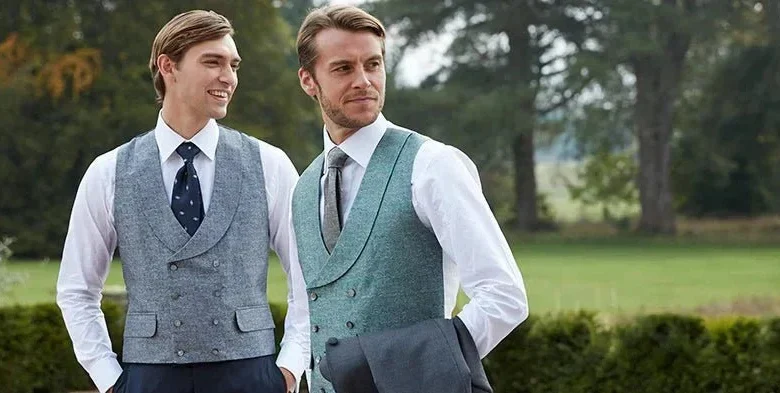
British weddings range from formal hotel ceremonies to relaxed celebrations in converted barns, gardens and registry offices. The word “wedding” alone does not settle the dress code. Read the invitation closely, note the start time and look at the venue. Morning dress or black tie should be followed as stated. If the wording simply says formal or lounge suits, a three-piece is usually an appropriate and useful option.


British weddings range from formal hotel ceremonies to relaxed celebrations in converted barns, gardens and registry offices. The word “wedding” alone does not settle the dress code. Read the invitation closely, note the start time and look at the venue. Morning dress or black tie should be followed as stated. If the wording simply says formal or lounge suits, a three-piece is usually an appropriate and useful option.
Weather also needs consideration. A heavy tweed may look ideal for a December country-house reception but feel uncomfortable at a July marquee wedding. Conversely, very pale lightweight tailoring can look out of season on a dark winter afternoon. The aim is to respect the occasion while remaining comfortable enough to wear the outfit properly all day.
Choosing a 3-piece suit for the season
The right 3 piece suit depends on fabric, colour and construction rather than a seasonal label alone. TruClothing lists options in fabrics and textures including wool, tweed, herringbone and lighter blends. Check the composition and lining information, then consider how much time will be spent outdoors. Breathability matters at a summer ceremony, while a denser cloth can be welcome at an exposed rural venue in October.
Spring and summer often suit mid-blue, light grey, beige and softer checks. Autumn and winter allow richer navy, charcoal, brown and green. These are useful conventions, not fixed rules. A dark navy suit works throughout the year when the shirt, tie and footwear are adjusted for the light and setting.
Dress as a guest without competing with the wedding party
Guests should look deliberate without appearing to imitate the groom. Avoid a white or ivory suit unless the couple has explicitly requested it. If you know the wedding party’s colours, choose a related but distinct palette. A navy suit with a burgundy tie, for example, remains separate from groomsmen in matching sage accessories.
Highly theatrical styling can also draw attention for the wrong reason. A pocket watch, ornate lapel pin, bold check and contrasting waistcoat may each work, but combining all of them can make the outfit feel like costume. One strong element is enough. Good fit, polished shoes and a properly pressed shirt will contribute more than a pile of accessories.
Coordinate the shirt and tie with care
White is the most formal and dependable shirt choice. Pale blue works particularly well with navy, grey and brown, while soft pink can complement blue and charcoal. Cream shirts need care because they can appear discoloured beside a bright white pocket square. Whatever the colour, the collar must sit cleanly under the jacket and leave enough space for comfortable movement.
For a patterned suit, use a plain or subtly textured tie. The tie can pick up a minor line in the check without matching it exactly. Plain suits allow a small pattern, knitted texture or seasonal colour. Keep novelty motifs for genuinely informal celebrations. At a daytime wedding, silk with a matte or lightly textured finish often photographs better than a very shiny fabric.
Pick shoes that can manage the whole day
Wedding footwear must survive standing, photographs, dinner and dancing. New leather shoes should be worn around the house before the event, with the same type of socks planned for the day. Black Oxfords suit formal charcoal and black tailoring. Dark brown Oxfords or Derbies pair comfortably with navy, blue, tan and many checked suits. Brogues are a sound choice for textured tailoring and country venues.
Consider the ground as well as the colour. Thin leather soles can struggle on wet grass or gravel, while a neat rubber sole provides more grip without looking casual. Clean the uppers, check the heels and carry a small cloth if rain is forecast. Footwear that looks good only while standing indoors is not a practical wedding choice.
Use the waistcoat as the day becomes less formal
Keep the jacket on for the ceremony unless the setting or temperature makes that unreasonable. Fasten it while standing and unfasten it when seated. The waistcoat should remain buttoned apart from its bottom button, maintaining a tidy line when the jacket comes off. This makes a three-piece particularly helpful at receptions, where a two-piece outfit can quickly become shirt and trousers.
Once dinner and formal photographs are complete, removing the tie may be acceptable if other guests are doing the same. Take it off fully rather than leaving it loose around the neck. Keep the shirt tucked in and resist rolling sleeves unevenly. Small choices preserve the outfit even when the mood has relaxed.
Prepare for British weather without spoiling the suit
A proper overcoat is better than forcing a short casual jacket over tailoring. Navy, charcoal, camel and dark brown coats work with many suit colours. The coat should be long enough to cover the jacket and broad enough in the shoulders to avoid crushing it. For rain, choose a plain umbrella and allow wet wool to dry naturally away from a radiator.
Pack a lint roller, spare shirt collar stays and a clean handkerchief. These take little room and solve common problems. Check the forecast again on the morning, but do not rebuild the entire outfit around a small chance of rain. A prepared guest can handle changing conditions while keeping the focus where it belongs, on the couple and the celebration.