Cultivating vibrant plants under unpredictable British weather conditions presents distinct challenges for enthusiastic home gardeners and commercial horticulturists alike. Heavy rainfall, lingering atmospheric dampness, and reduced indoor sunshine levels routinely result in waterlogged potting mixes across the United Kingdom. When container media becomes completely saturated with standing water, fragile root networks suffer from a severe lack of essential oxygen, triggering rapid root decline, stunted growth, and destructive fungal infections like root rot.
To safeguard valuable plant collections, forward-thinking UK growers rely on high-performance aggregate soil amendments that permanently enhance substrate structure and optimise root zone ventilation throughout the year. Blending pvp industries coarse horticultural perlite into potting substrates solves severe drainage issues while maintaining continuous oxygen exchange around the root system. Derived from naturally occurring volcanic minerals, this specialized coarse aggregate expands under extreme industrial heat to form light, structurally stable white granules that resist physical compaction over long growing seasons.
Originating as raw volcanic glass, this mineral amendment undergoes a rapid thermal expansion process that creates a highly porous physical structure ideally suited for modern horticulture. The resulting extra-large particles form macroscopic air channels within dense potting composts, preventing fine particles from settling tightly together after frequent watering cycles. This thorough guide examines the physical properties, mixing ratios, safe handling practices, and sourcing options for securing fresh UK stock of this premium growing medium.
What Is PVP Industries Coarse Horticultural Perlite?
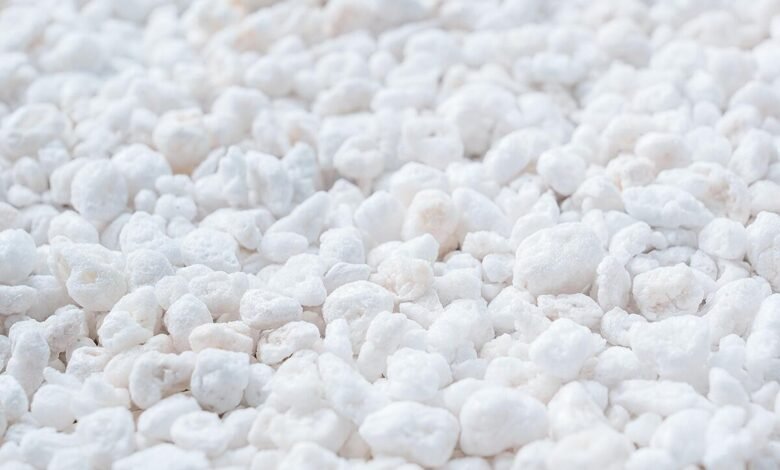
At its fundamental mineral level, perlite is an amorphous volcanic glass formed naturally through the rapid cooling of viscous lava flows over extensive geological epochs. During specialized commercial processing, raw perlite ore is crushed and subjected to intense thermal energy exceeding eight hundred degrees Celsius inside industrial expansion furnaces. This sudden temperature shock causes water trapped within the rock’s molecular matrix to instantly vaporize into steam, expanding the softened mineral particles up to twenty times their original size like popcorn.
The resulting expanded material features millions of sealed microscopic air cavities that provide lightweight bulk, exceptional thermal insulation, and exceptional porosity without adding undesirable chemical weight to your custom potting blends. Choosing pvp industries coarse horticultural perlite guarantees access to a standardized Grade 3 aggregate engineered explicitly for demanding horticultural applications. Unlike fine or medium perlite grades that easily break down, compact, or wash out of pots, these chunky mineral granules maintain their physical integrity over extended periods.
Furthermore, this mineral aggregate is completely sterile, pathogen-free, weed-seed-free, and chemically inert, ensuring it will never alter your delicate nutrient feeding regimes or electrical conductivity readings. Its neutral pH profile ensures that acid-loving or alkaline-preferring plants retain their ideal growing conditions without unexpected soil chemistry shifts. The permanent physical rigidity of these large volcanic granules keeps heavy organic soils loose, encouraging healthy root development in both indoor containers and challenging outdoor garden beds.
Key Benefits of Using Coarse Perlite in Gardening & Horticulture
The primary advantage of adding pvp industries coarse horticultural perlite to growing media is its unmatched ability to dramatically boost substrate aeration levels. Atmospheric oxygen is essential for active root respiration, beneficial microbial activity, and efficient plant nutrient uptake. By preventing fine compost fibers from compacting tightly, coarse perlite ensures a continuous exchange of fresh air throughout the entire root zone, encouraging vigorous lateral root branching and accelerating overall plant development.
Beyond facilitating healthy air exchange, this chunky aggregate dramatically improves water drainage dynamics during wet and chilly British winters. Excess irrigation water and rainwater flow freely through the porous root zone rather than pooling at the bottom of plant pots, effectively eliminating the stagnant moisture conditions that harbor harmful fungal pathogens. This reliable drainage capability offers essential protection for sensitive indoor tropical foliage, delicate succulents, and valuable nursery stock grown outdoors.
Simultaneously, the complex, cragged surface texture of pvp industries coarse horticultural perlite retains microscopic reserves of moisture and dissolved liquid fertilizers within its outer micro-capillaries. This unique dual-action performance ensures that roots remain properly hydrated and nourished without ever sitting in oversaturated, airless growing media. Consequently, plants grown with coarse perlite exhibit stronger structural stems, healthier foliage, and enhanced resilience against environmental stressors throughout every season.
Ideal Applications & Mixing Ratios
Formulating custom growing substrates requires achieving the ideal ratio between moisture retention and free air capillary space, tailored to specific plant families and local environmental conditions. For popular tropical indoor foliage including Monstera, Philodendron, Anthurium, and Calathea species, blending twenty to thirty percent coarse perlite into coconut coir or peat-free potting compost produces an exceptionally airy, free-draining substrate that mimics their natural rain-forest canopy habitats.
For drought-adapted cacti, succulents, and delicate alpine plants that demand rapid moisture runoff, increasing the coarse perlite proportion to forty or fifty percent creates an open growing medium that prevents root decay. When propagating delicate stem cuttings or air layers, combining equal parts coarse perlite and sphagnum moss offers the perfect balance of moisture retention and oxygenation, accelerating adventitious root formation while dramatically reducing the risk of damping-off disease.
Hydroponic growers and soft-fruit producers frequently utilize pure pvp industries coarse horticultural perlite as a lightweight growing medium in drip-irrigation or passive sub-irrigation setups. The durable aggregate offers excellent physical anchor support for heavy root systems while permitting precise automated control over moisture levels and liquid nutrient delivery. Additionally, incorporating ten to fifteen percent coarse perlite into outdoor flower borders loosens dense UK clay soils, permanently improving aeration for perennial plantings.
How to Safely Handle & Prepare Perlite
While expanded volcanic perlite is non-toxic, odorless, and completely free of harmful synthetic chemicals, handling dry bags of fine or coarse mineral aggregates naturally generates airborne mineral dust particles. Inhaling this dry dust can cause temporary respiratory irritation, coughing, and eye discomfort during substrate mixing tasks. To maintain a safe working environment in green houses or indoor workspaces, growers should always wear a standard dust mask and protective safety goggles when opening fresh bags.
The most effective method for eliminating airborne dust during handling involves pre-moistening the aggregate directly inside the packaging prior to mixing. Simply open the top of the bag, pour in a few litres of clean water, and allow the liquid to soak down through the granules for a few minutes. Thoroughly dampened perlite pours cleanly out of the sack without releasing irritating dust clouds into your potting area or residential living space.
Proper storage of unused growing media is equally important for maintaining cleanliness and biosecurity across your garden facilities. Always store remaining perlite inside its original heavy-duty bag, securely folding over the opened top to prevent foreign debris, weed seeds, or ambient dampness from contaminating the sterile mineral media. Keeping your supply stored off cold concrete floors in a dry, covered shed ensures the aggregate remains pristine and ready for future potting projects.
Buying Guide: Sourcing PVP Industries Perlite with UK Stock
Selecting the right volume and grade of perlite ensures you obtain maximum practical value for your gardening projects, whether managing home collections or commercial nurseries. High-grade horticultural perlite is typically distributed in large, commercial-sized multi-cubic-foot bags or bulk sacks designed to supply serious growers efficiently. Sourcing genuine pvp industries coarse horticultural perlite ensures you receive premium-quality volcanic aggregate that maintains consistent particle sizing, avoiding the crushed, powdery dust commonly found in inferior retail alternatives.
To locate authentic imported supplies within the United Kingdom, seek out dedicated hydroponic suppliers, specialist commercial horticultural stockists, and reputable online gardening merchants. Investing in professional-grade coarse perlite offers long-term financial savings because the inorganic volcanic material does not decompose, compact, or shrink over time, allowing the aggregate to be recovered, cleaned, and reused across multiple consecutive growing seasons without losing structural effectiveness.
Furthermore, integrating high-performance coarse perlite into modern UK peat-free compost formulations transforms heavy, wood-fiber or bark-based growing media into open, highly responsive substrates. Peat-free alternatives often suffer from poor water distribution and high compaction rates; adding chunky perlite solves these physical limitations instantly. Upgrading your potting mixes with premium perlite guarantees your plants enjoy stable, oxygen-rich root environments that promote lush top growth throughout the year.
Conclusion
Optimising substrate structure remains one of the single most effective strategies for cultivating flourishing root systems and achieving exceptional plant health in challenging climates. By incorporating pvp industries coarse horticultural perlite into your custom soil blends, you shield your valuable plant collection against overwatering, root suffocation, and soil compaction. Its inert mineral composition, neutral pH balance, and reliable drainage characteristics make it an indispensable tool for both amateur plant enthusiasts and professional growers.
Whether you are repotting delicate tropical foliage, establishing outdoor container displays, or striking softwood cuttings, this durable volcanic aggregate provides consistent, long-lasting structural benefits. Selecting a certified coarse grade ensures your plant roots maintain access to crucial atmospheric oxygen season after season, regardless of adverse weather conditions outside. Elevate your horticultural practices today by incorporating top-grade coarse perlite into your routine potting recipes.
Investing in high-quality soil amendments pays immediate dividends through faster growth rates, stronger disease resistance, and overall plant vitality. As sustainable peat-free gardening continues to expand across the UK, keeping a reliable supply of coarse volcanic perlite on hand empowers you to customize growing media for any species. Give your plants the robust root foundation they deserve by choosing premium perlite for all your future potting endeavors.
Frequently Asked Questions (FAQs)
Is PVP Industries Coarse Perlite organic?
Yes, expanded perlite is an unrefined mineral aggregate derived exclusively from natural volcanic glass through physical thermal expansion processes. Because it contains no synthetic chemicals, artificial coatings, or toxic additives, pvp industries coarse horticultural perlite is widely recognized as suitable for organic crop production, fruit growing, and home vegetable gardening under organic standards.
How does coarse perlite differ from standard or fine perlite?
Coarse perlite features significantly larger individual aggregate particles (typically Grade #3) compared to fine or medium horticultural grades. These extra-large granules create larger air gaps within potting media, maximizing capillary drainage capacity and oxygen availability. Fine perlite tends to settle toward container bottoms over time, whereas coarse granules maintain an evenly aerated, loose soil structure.
Can I reuse coarse perlite after repotting?
Because volcanic perlite is an inorganic mineral that never decays or decomposes, it can easily be reclaimed and reused across multiple growing seasons. When repotting your plants, simply sift out the old perlite, rinse away organic soil debris, and sterilize the granules with hot water or a mild disinfectant solution before blending them into fresh compost mixes.
Does perlite add nutrients to my plant soil?
No, expanded perlite is completely inert and contains no inherent plant nutrients, trace elements, or nitrogenous compounds. Its function is entirely physical—serving as a durable soil conditioner that improves aeration, drainage, and structural integrity while temporarily holding micro-reserves of water and dissolved liquid fertilizer along its highly textured surface.
Is coarse perlite safe for pets and children?
Coarse perlite is non-toxic, odorless, and chemically safe around household pets, livestock, and children. However, because dry mineral aggregates generate airborne dust when disturbed, the material should always be moistened with clean water prior to mixing or pouring to prevent accidental dust inhalation and minor mechanical eye irritation.
You may also read: Factors Influencing the Current Price of Brussels Sprouts in the UK