You collect your CT scan, open the file, and find a page full of terms like “hypodense lesion”, “no acute findings”, or “correlate clinically”. It can feel like reading a letter written in another language. The reassuring part is that every report follows a logical structure, and once you understand how it is built, it stops being intimidating and starts being genuinely useful. This short guide walks you through what a report contains, which part deserves your attention first, and when it is wiser to hand things over to a specialist.


What a CT scan report actually is
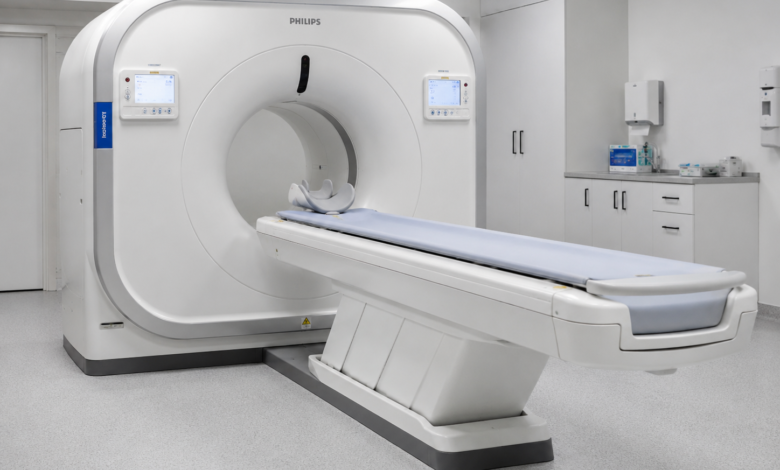
A CT scanner produces detailed cross-sections of your organs, bones, and soft tissues, but those images do not explain themselves. The report is the written interpretation prepared by a radiologist who reviews every image and translates what the scan shows into clear medical language. In short, the pictures are the raw data, and the report is the meaning behind them. It is the document your doctor relies on when deciding on the next step in your care, which is why understanding it puts you in a stronger position.
How the report is organised
Most reports follow the same basic layout. The first part describes the technique: which region was scanned, whether contrast was used, and how the images were captured. The middle section, usually called “findings”, describes what the radiologist observed, area by area. The final part, often labelled “impression” or “conclusion”, is the most important for you. It summarises the key points and answers the practical question: what does all of this mean? If you read only one section closely, make it the impression. Dates, comparisons with any previous studies, and the name of the reporting radiologist usually appear here too, so it is worth keeping the whole document safe for future reference.
Words that look alarming but often are not
Radiology language can sound dramatic even when the message is reassuring. A “lesion” simply means an area that looks different from the surrounding tissue, and many are completely harmless. Phrases such as “unremarkable” or “no acute abnormality” are good news, because they mean nothing urgent was found. “Correlate clinically” is a note to your doctor, asking them to match the image to your symptoms. Knowing this vocabulary helps you stay calm and ask sharper questions.
Why reading it yourself is not enough
Recognising a few terms is helpful, but interpreting a full scan is a different matter. One examination can contain hundreds of images, and the meaning often depends on subtle patterns, your medical history, and comparisons with earlier scans. Typing symptoms into a search engine usually raises worry rather than giving answers. This is exactly where professional interpretation makes the difference. A structured, expert-written CT scan report from Eurodiagnosis gives you clarity you can rely on, prepared by a certified radiologist instead of guesswork, without needing to book an appointment or visit a clinic.
The takeaway
Your CT scan holds valuable information, and your report is the key that unlocks it. Learn to spot the structure, focus on the impression, and treat unfamiliar terms with curiosity rather than fear. When you want a clear and dependable interpretation, Eurodiagnosis lets you upload your images and receive an expert report online, so you can walk into your next appointment informed, confident, and ready to ask the right questions.