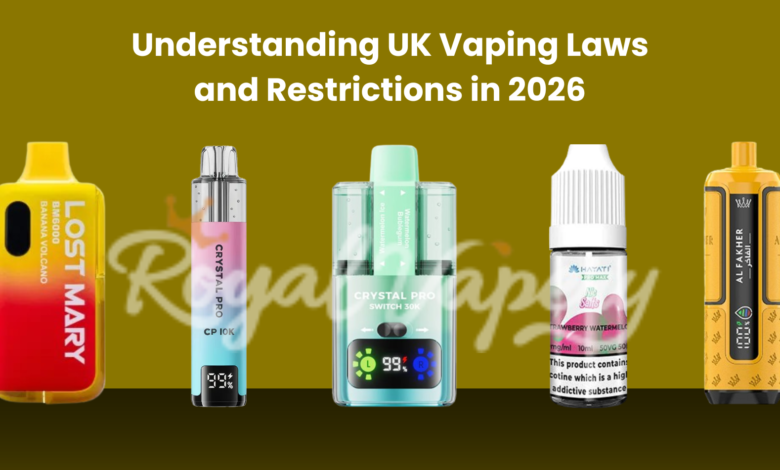
Vaping remains a common tool for smokers trying to quit and a popular hobby for many. If you’re new to vaping start here, understanding the UK legal framework will help you choose safe products and use them correctly. This guide explains the latest UK vaping laws in 2026, the TPD (Tobacco Products Directive) limits that still apply, what counts as legal vape device types, and practical advice for using vaping to quit smoking.


Why the law matters
Vaping rules exist to protect consumers, especially young people, while making nicotine replacement options available for smokers. The UK has long taken a harm-reduction approach compared with many other countries: public health bodies often support vaping as a less harmful alternative to cigarette smoking when used by adult smokers.
But laws control product design, nicotine strength, packaging and where products can be sold. Knowing these rules helps you buy compliant devices and e-liquids and avoids fines or confiscation.
TPD limits that still apply in 2026
The European Union’s Tobacco Products Directive (TPD) influenced UK rules for years, and many of its key limits remain embedded in UK law. As of 2026, the main TPD-style restrictions you need to know are:
Nicotine concentration: E-liquids sold as ready-to-vape must not exceed 20 mg/ml (2%). This keeps nicotine strengths within a predictable range for consumers.
Tank and refill limits: Most pre-filled pods and cartridges are limited to 2 ml capacity. Refillable tanks sold with open systems are usually restricted to 2 ml where they are marketed as refillable with nicotine containing e-liquid.
Bottle sizes: Nicotine containing e-liquid bottles are capped at 10 ml for safety and to reduce child access.
Labelling and warnings: Products must display nicotine content, ingredients, manufacturer contact details, and health warnings. Child-resistant caps and tamper-evident packaging remain mandatory.
Advertising rules: Direct advertising of vaping products is tightly controlled; promotion must not target children and is limited in certain media.
These rules aim to balance safety with adult smokers’ access to alternatives. Note that some non-nicotine hardware batteries, coils, devices sold empty fall outside certain TPD limits, but local regulations and product safety standards still apply.
What’s changed in 2026: latest updates
The regulatory landscape continues to evolve. In 2026 the UK introduced a few notable updates designed to strengthen safety and clarify definitions:
Clearer device definitions: Regulators published updated guidance on legal vape device types, distinguishing fully disposable single-use products, refillable pod systems, and modular open systems. This clarifies which parts are regulated as e-cigarettes and which are accessories.
Disposable limits and age checks: Due to youth uptake concerns, tighter controls were placed on the sale and marketing of disposables, including stricter age verification rules for online sales and limitations on flavours targeted at younger users.
Product notification improvements: Manufacturers and importers must submit more detailed product notifications to UK authorities, including emission testing for new device designs. This improves market surveillance and consumer safety.
Local enforcement push: Trading standards and local authorities received greater resources to enforce illegal imports and counterfeit products, especially those that bypass TPD-like limits. These updates reflect a continuing emphasis on preventing underage use while keeping safer alternatives available to adult smokers.
Legal vape device types: what’s allowed
Understanding legal vape device types in the UK helps you buy compliant kit and know what each device is best for. The main categories you’ll see are:
Disposable e-cigarettes: Single-use devices pre-filled with e-liquid and disposed of after use. In 2026, disposables remain legal when they meet nicotine, capacity and safety requirements, but face closer scrutiny for marketing and retail controls.
Closed (pre-filled) pod systems: These use manufacturer pre-filled pods or cartridges. Pod capacities are normally limited to TPD-style limits; they’re convenient and low-maintenance for people using vaping to quit smoking.
Refillable pod systems: Refillable pods allow users to top up e-liquid. Where nicotine e-liquid is sold, pod sizes and labelling rules still apply. These offer a balance between convenience and cost.
Mod (open) systems: Box mods and vape pens with refillable tanks provide variable power, coil options and larger e-liquid capacity. They’re popular with hobbyists but sellers must still comply with safety and notification rules.
Accessories and components: Coils, batteries and empty tanks are treated differently under the law but must comply with electrical safety and consumer product regulations.
When picking a device, think about ease of use and whether you’re using vaping to quit smoking. For many quitters, simple closed pod systems or low-power refillable devices with nicotine salt e-liquids provide the most cigarette-like experience and are easiest to manage.
Using vaping to quit smoking: practical approach
If you’re using vaping to quit smoking, follow these practical steps for a safer, more successful quit attempt:
Start with the right kit: If you’re new to vaping start here choose a simple pod system or an easy vape pen designed for beginners. These replicate the mouth-to-lung draw many smokers are used to.
Match nicotine strength sensibly: Higher nicotine up to 20 mg/ml can help heavy smokers transition more comfortably; lighter smokers should try lower strengths. Nicotine salts often deliver nicotine more smoothly and can feel more satisfying.
Focus on behaviour replacement: Vaping mimics the hand-to-mouth action and inhalation of smoking. Pair vaping with behavioural supports like stop-smoking services, apps, or counselling for better outcomes.
Monitor and adjust: If cravings persist, try a slightly higher nicotine strength or a different device type. If you experience side effects, reduce nicotine or consult a pharmacist or stop-smoking adviser.
Avoid dual use long-term: While short-term dual use during switching is common, the goal should be cigarette abstinence. Reduce cigarette numbers progressively and aim to replace all smoking with vaping.
Safety and buying compliant products
Always buy from reputable UK retailers. Illegal or counterfeit products can have unsafe batteries, poorly made coils, or non-compliant e-liquids with inaccurate nicotine labelling. To stay safe:
- Check for product notifications with UK authorities if available.
- Look for child-resistant packaging and clear labels showing nicotine strength, ingredient lists and manufacturer details.
- Avoid unregulated imports that exceed nicotine limits or come in oversized tanks.
- Use the correct charger and avoid modifications that bypass safety protections.
Common questions answered
Are vapes legal in public places?
Local rules vary. Many workplaces and public transport operators ban vaping indoors; check local policies. Vaping outdoors is widely permitted.
Can I buy nicotine e-liquids above 20 mg/ml in the UK?
No ready to vape nicotine e-liquids above 20 mg/ml are not legally sold for consumer use.
Are flavours banned?
Flavours are not comprehensively banned in the UK, but products targeted at under-18s or mimicking children’s products face strict limits and enforcement.
Is resale or gifting regulated?
Selling vaping products to under-18s is illegal. Gifting to adults is generally legal, but sellers must comply with age restrictions.
Final tips for UK vapers in 2026
If you’re new to vaping start here: choose a simple, legal device and an appropriate nicotine strength to replicate smoking sensations.
Focus on legal vape device types that fit your quit plan: closed pod systems and refillable beginner kits are best for most quitters.
Buy from trusted UK sellers and check packaging for TPD-style compliance.
Use vaping as part of a quit strategy — combine it with behavioural support for higher success.
Stay informed: regulations evolve, and local trading standards can change enforcement priorities.