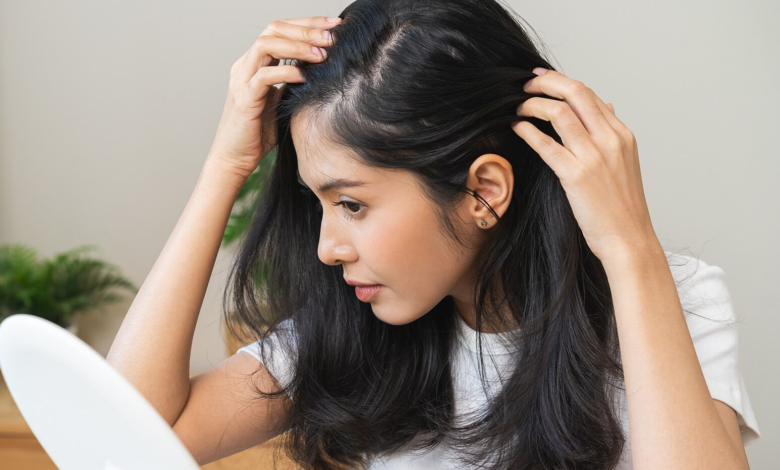
Hair health is influenced by far more than the products used in a daily routine. Sleep, nutrition, hormones, lifestyle habits, and emotional well-being can all affect how hair grows and how the scalp functions. One issue receiving increasing attention is the connection between prolonged stress and visible changes in hair.

Periods of intense pressure can affect the body’s normal growth cycles, sometimes leading to increased shedding, breakage, or changes in overall hair quality. Understanding this relationship can help people take a more balanced approach to hair care. Instead of focusing only on shampoos, treatments, or styling techniques, it is important to consider the wider factors that may be influencing hair health.
Understanding the Connection Between Stress and Hair Health
The body responds to stress in complex ways. When stress becomes persistent, it can affect sleep patterns, appetite, hormone activity, and other processes that support general health. These changes may also influence the normal cycle of hair growth.
Lancaster hair salon Belle Ame has explored the connection between stress and hair loss, including the effects on shedding, breakage and overall hair health.
Hair naturally moves through different growth phases, and it is normal to lose a certain amount each day. However, significant physical or emotional stress can sometimes disrupt this cycle. In some cases, more hairs may enter the shedding phase than usual.
The effects are not always immediate. A stressful event may occur weeks or months before a person notices increased hair shedding. This delay can make it difficult to identify the underlying cause without considering recent changes in health or lifestyle.
Recognizing Different Changes in Hair
Not every hair concern is the same, and identifying the type of change can provide useful context. Increased shedding may be noticed while washing or brushing, while breakage often appears as shorter strands and uneven lengths.
Dryness and changes in texture can also make hair appear less healthy. Stress itself may not be the only cause, but the habits associated with stressful periods can contribute. Poor sleep, skipped meals, dehydration, and frequent heat styling may all place additional pressure on the hair and scalp.
It is also important to distinguish temporary shedding from other forms of hair thinning. Genetics, hormonal changes, nutritional deficiencies, medications, and certain health conditions can all affect hair growth.
For this reason, persistent or significant hair loss should not automatically be attributed to stress. Looking at the complete picture can help individuals make more informed decisions about their next steps.
Why Daily Habits Matter During Stressful Periods
When life becomes busy or demanding, personal care routines are often among the first things to change. People may sleep less, rely on less balanced meals, or spend less time maintaining healthy routines.
These changes can indirectly affect hair health. Hair depends on the body receiving adequate nutrients and maintaining normal biological processes. A consistently unbalanced lifestyle can make it more difficult to support healthy growth over time.
Creating simple routines can be more sustainable than making dramatic changes. Regular meals, adequate hydration, consistent sleep, and manageable forms of physical activity can support overall well-being.
Reducing unnecessary damage is also helpful. Excessive heat, tight hairstyles, aggressive brushing, and frequent chemical treatments may contribute to breakage, particularly when hair already feels weaker than usual.
A gentle and consistent approach is often more beneficial than constantly changing products or trying multiple intensive treatments at once.
Taking a Balanced Approach to Hair Care
Healthy hair care begins with realistic expectations. There is no single product or routine that can address every cause of shedding or breakage. Hair responds to a combination of internal health, genetics, environment, and daily care habits.
A balanced routine should focus on keeping the scalp and hair clean while avoiding unnecessary damage. Choosing suitable products, limiting excessive heat, and handling wet hair carefully can all support the appearance and condition of the hair.
Professional advice can also be valuable when someone notices ongoing changes. A qualified hair professional may help identify signs of damage caused by styling or treatments, while a healthcare professional can investigate potential medical or nutritional factors.
The goal should not simply be to stop every strand from shedding. Some shedding is a natural part of the hair cycle. Instead, the focus should be on understanding unusual changes and supporting healthier conditions for long-term growth.
Building Long-Term Resilience for Hair and Well-Being
Stress is difficult to eliminate completely, particularly in a fast-paced world where work, family, and personal responsibilities often compete for attention. However, developing healthier ways to manage stress can benefit both overall well-being and personal care.
Small, consistent habits are often easier to maintain than short-term solutions. Taking regular breaks, improving sleep routines, staying physically active, and making time for relaxation can all contribute to better stress management.
Hair care should also be viewed as part of a broader self-care routine rather than an isolated concern. Paying attention to changes in the hair can sometimes encourage people to look more closely at their overall lifestyle and well-being.
As awareness of the relationship between lifestyle and appearance continues to grow, a more holistic approach to hair health is likely to become increasingly important.
Conclusion
Hair shedding and changes in hair quality can have many possible causes, and stress may be one factor among several. Understanding how physical and emotional pressure can influence the body helps create a more informed approach to hair care.
The most effective long-term strategy is usually a balanced one. Gentle hair care, healthy daily habits, adequate rest, and appropriate professional guidance can all play a role in supporting healthier-looking hair.
As research and awareness continue to develop, the future of hair care will likely focus less on quick fixes and more on the connection between overall well-being and long-term hair health. Taking a consistent, informed approach today can help create stronger foundations for healthier hair in the future.