
An irregular menstrual cycle can feel confusing and interrupt an important part of women’s health. Irregular periods are more than a small hassle. They mean changes in cycle length, how long bleeding lasts, or how heavy the flow is compared with what is typical for you. Many things can cause these changes, including hormone changes and health conditions.


Learning what irregular periods mean and what may be causing them matters because your menstrual cycle often reflects your overall health. If you are noticing new changes or want to learn more about how your cycle works, resources like https://cyclicalschool.com/ can help you better understand your own pattern.
For many people, periods follow a fairly steady monthly pattern. When that pattern changes, it can lead to worry and questions. This article explains irregular menstrual cycles in clear terms: what counts as irregular, symptoms to look for, common and less common causes, and how doctors check and treat these issues. It also covers prevention steps and when you should contact a healthcare professional, so you can make informed choices about your health.
What Defines an Irregular Menstrual Cycle?
Knowing what “irregular” means is the first step in understanding changes in your cycle. Even though everyone’s cycle is a bit different, there are general ranges that help separate normal variation from changes that may need attention.
Normal Menstrual Cycle Length and Patterns
Many people hear that a “normal” cycle is 28 days, but that is only an average. A healthy regular cycle often falls anywhere from 21 to 35 days. Many studies place the average close to 29 days. Bleeding usually lasts about four to seven days, and the heaviest flow often happens in the first three days. Small changes from month to month are common and usually not a problem.
Your menstrual cycle is controlled by hormones, mainly estrogen and progesterone. These hormones prepare the body for a possible pregnancy each month. Cycles begin at puberty, often between ages 12 and 15, and end around ages 45 to 50 with menopause. Over these years, the ovaries and the uterus go through repeated changes at the same time. If the hormone balance changes a lot, your cycle can change too.
Common Types of Irregular Periods
Irregular periods can show up in different ways, and each type has a medical name. Amenorrhea means no periods at all. It is considered abnormal if you miss your period for 90 days or more, unless you are pregnant, breastfeeding, or in menopause. Amenorrhea can also mean that periods have not started by age 15 or 16, or within three years after breast development begins. Oligomenorrhea means periods happen rarely, such as cycles longer than 35 days apart, or only six to eight periods per year.
Polymenorrhea means periods come too often, usually less than 21 days apart. Menorrhagia means very heavy or long bleeding, often longer than eight days or needing more than five pads or tampons soaked per day. Hypomenorrhea means very light bleeding, often lasting less than two days. Dysmenorrhea means very painful periods. Some cramping can be normal, but pain that keeps you from daily activities, especially if it spreads to the legs in the first two days, may point to a problem. “Abnormal uterine bleeding” is a broad term that includes bleeding between periods, long-lasting bleeding, or extremely heavy bleeding.
When to Consider a Period Irregular
Small timing changes are normal, but some patterns suggest a true irregular cycle and may need medical care. A cycle may be irregular if your periods regularly come less than 21 days apart or more than 35 days apart. Missing three or more periods in a row is another warning sign. A big change in flow matters too. For example, soaking through one or more pads or tampons in an hour for several hours can mean heavy bleeding. Bleeding that lasts longer than seven days is also considered irregular.
Another sign is big shifts in timing: if the number of days between periods changes by more than nine days from one month to the next, your cycle is likely irregular. Symptoms also matter. Severe pain, strong cramps, nausea, or vomiting during your period are not typical. Bleeding or spotting between periods, after menopause, or after sex should always be checked because these are not normal cycle events.
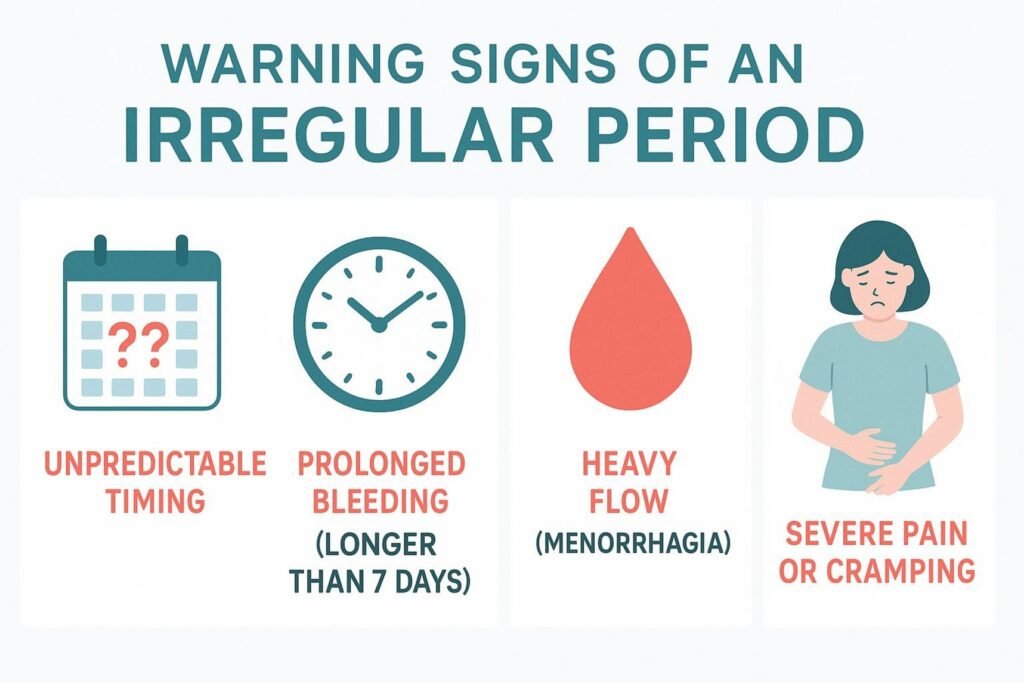
What Are the Symptoms and Signs of Irregular Menstruation?
Knowing the signs of irregular menstruation can help you decide when to get medical advice. Symptoms can affect timing, how long bleeding lasts, how much you bleed, and other body symptoms that come along with your period.
Changes in Frequency and Duration
A clear sign of an irregular cycle is that your period becomes hard to predict. The number of days between periods may keep changing. Periods might come closer together than usual, such as less than 25 days from the start of one period to the start of the next (polymenorrhea). Or they may come farther apart than usual, such as more than 35 days between starts (oligomenorrhea). The biggest frequency change is missed periods (amenorrhea), where bleeding stops for months.
The length of bleeding can change too. Many people bleed for two to seven days. Bleeding that often lasts longer than seven days is considered prolonged. Periods that are very short, under two days, may point to hypomenorrhea. If your cycle used to be steady and becomes unpredictable in timing or length, that is an important sign to track.
Unusual Bleeding Patterns
How much you bleed and what the bleeding looks like can show if something is off. A major sign is bleeding that is much heavier or much lighter than normal for you. Heavy bleeding (menorrhagia) is concerning if you soak through one or more pads or tampons every hour for two to three hours in a row, or if you pass clots larger than a quarter. Heavy blood loss can lead to anemia and tiredness, making daily life harder.
Bleeding outside your expected period also matters. This includes spotting or bleeding between periods (intermenstrual bleeding). Bleeding after sex or any bleeding after menopause should be treated as urgent signs and checked quickly. Sometimes these patterns can be linked to serious conditions that need fast diagnosis and treatment.
Associated Physical Symptoms
Irregular periods often happen along with other symptoms. Strong cramps and severe pain that affect daily life, especially if there is nausea or vomiting, can point to dysmenorrhea or conditions such as endometriosis. Pelvic pain that continues even when you are not on your period also matters. Changes in discharge, like a heavy discharge with a bad smell, may be a sign of infection such as pelvic inflammatory disease (PID).
Irregular periods can also be linked to symptoms in other parts of the body. Thyroid problems, which often affect menstruation, can also cause tiredness, anxiety, and unexplained weight changes. People close to menopause may have hot flashes and sleep problems along with cycle changes. PCOS can show up with acne, extra hair growth (hirsutism), weight gain or trouble losing weight, and ovarian cysts. If heavy bleeding leads to anemia, you may feel dizzy, faint, or notice unusual bruising, which needs quick medical care.
What Are the Main Causes of Irregular Menstrual Cycles?
Irregular menstrual cycles can happen for many reasons. Causes often involve hormones, medical conditions, and daily habits. Knowing the possible causes helps guide the right treatment.
Hormonal Imbalances Affecting Menstruation
Many menstrual changes start with hormone changes, mainly estrogen and progesterone. These hormones control ovulation and when the uterus lining sheds. If their levels change more than usual, your cycle timing and bleeding pattern can change. A common issue is not ovulating (anovulation). This can happen in younger teens as their hormone system is still developing, and it can also happen later due to stress or illness.
Functional hypothalamic amenorrhea is one cause of irregular cycles. It is linked to lower gonadotropin-releasing hormone (GnRH) release and changes in the stress hormone system (the hypothalamic-pituitary-adrenal axis). High prolactin levels can also disrupt ovulation hormones, which may lead to irregular or missing periods.
Medical Conditions Linked to Irregular Periods
Some health conditions affect the cycle directly. These include common reproductive conditions and broader health problems that affect hormones.
Polycystic Ovary Syndrome (PCOS)
PCOS is one of the most common hormone-related conditions in people of reproductive age. In PCOS, the ovaries make more androgens (often called male hormones). This can delay or prevent ovulation, leading to irregular or missed periods. Many people with PCOS also notice acne, extra hair growth (hirsutism), weight gain or trouble losing weight, and small ovarian cysts. PCOS is also linked with metabolism problems and higher risk of type 2 diabetes, heart disease, and high blood pressure.
Thyroid Disorders
The thyroid gland in your neck helps control metabolism and hormones across the body, including those that affect menstruation. Both hypothyroidism (too little thyroid hormone) and hyperthyroidism (too much) can change your periods. You may have infrequent periods, very heavy bleeding, or missed periods, along with symptoms like weight changes, tiredness, or anxiety. Treating the thyroid issue often helps bring the cycle back to normal.
Perimenopause and Menopause
In the late 30s, 40s, and early 50s, many women enter perimenopause, the time before menopause. During this stage, estrogen and progesterone levels shift and slowly drop, which often causes irregular periods. Cycles may get longer or shorter, periods may be missed, and flow may change. Hot flashes, night sweats, and sleep problems are also common. Menopause, usually between ages 45 and 55, is when periods stop completely. Some women under 40 have premature ovarian insufficiency, where the ovaries stop working well earlier than expected, leading to early menopause symptoms and missed or irregular periods.
Other medical causes include endometriosis (tissue like the uterus lining grows outside the uterus), which can cause abnormal bleeding and strong pain. PID, often linked to untreated STIs, can cause irregular bleeding and pelvic pain. Uterine fibroids and polyps (non-cancerous growths) commonly cause heavy and long bleeding. Less common causes include bleeding or clotting disorders, some cancers (such as uterine or ovarian cancer), and primary ovarian insufficiency.
Lifestyle and Environmental Factors
Daily habits and your environment can affect hormones and menstrual timing. These factors can play a big role in whether your cycle stays regular.
Stress and Emotional Health
Stress can strongly affect the menstrual cycle. High emotional or physical stress can interfere with signals between the brain (especially the hypothalamus) and the ovaries. This can lead to hormone changes that delay periods or cause skipped periods. Stress can also lead to shorter or longer cycles, or spotting between periods. Long-term stress, anxiety, and depression are linked with irregular cycles, showing how closely mental health and reproductive health are connected.
Excessive Exercise or Sudden Weight Changes
Body fat affects hormone production, including estrogen. Big weight changes, especially fast gain or loss, can change hormone levels and disrupt your cycle. Very low body fat, which can happen with intense training in sports like distance running, dance, or gymnastics, can lead to irregular or missing periods (exercise-related amenorrhea). On the other hand, obesity can also affect cycles. Higher body fat can raise estrogen levels, and this can lead to longer or more irregular cycles. Eating disorders, which often involve large weight swings and poor nutrition, are another common reason for irregular periods.
Medications and Birth Control Impact
Some medicines affect hormone levels or blood clotting and can change your cycle. Hormonal birth control (pills, rings, injections, or IUDs) is meant to control or reduce bleeding. Starting, stopping, or switching birth control can cause temporary irregular bleeding or missed periods for up to six months while your body adjusts. Emergency contraception, with a high hormone dose, can also shift the timing of your next period.
Other drugs can play a role too. Steroids, antidepressants, antipsychotics, some thyroid medicines, chemotherapy drugs, anti-seizure medicines, and blood thinners can cause irregular bleeding, heavier flow, or missed periods. Talk with your healthcare provider about any new medicine, and report any cycle changes you notice.
Other Possible Triggers
Other triggers can also cause irregular periods. Pregnancy-related problems like miscarriage or ectopic pregnancy can cause abnormal bleeding. Physical issues in the reproductive system, such as scarring, blockages, or past surgery involving the uterus, ovaries, or fallopian tubes, can affect flow and timing. Genetics can influence cycle patterns as well. Age matters too: irregular periods are common in early adolescence when periods first start, and again in perimenopause as the body moves closer to menopause.
How Are Irregular Menstrual Cycles Diagnosed?
If irregular cycles become a concern, doctors usually follow a step-by-step process to find the cause. This often includes talking through your symptoms, doing an exam, and running lab tests or imaging when needed.
Medical History and Symptom Tracking
Diagnosis often starts with a detailed health history. Your provider may ask about the first day of your last period, how long your bleeding lasts, and the shortest and longest time between your periods. They may ask about flow, such as how often you change pads or tampons on heavy days, and symptoms like pain, nausea, or spotting. Tracking your cycle with a calendar, diary, app, or symptom questionnaire can make this information more accurate and useful.
Your provider will also ask about your general health history, including past illnesses, procedures, pregnancies, and all medicines you take, including birth control. Family history (like bleeding disorders or gynecological conditions) can also help. If you are over 25, they may ask about your most recent smear test.
Physical and Pelvic Examinations
Next, your provider will likely do a physical exam. This may include checking for signs of hormone changes, such as skin changes or unusual hair growth. A pelvic exam is often included. During this exam, the provider checks the reproductive organs for signs of infection, growths, or other issues. This helps rule out problems like pregnancy-related conditions or pelvic infections that can cause irregular bleeding.
Laboratory Tests and Imaging Studies
Based on your symptoms and exam, your provider may order tests. A pregnancy test is often one of the first checks if pregnancy is possible. Blood tests can look at hormone levels (thyroid hormones, prolactin, estrogen, progesterone), check for anemia (such as Hematocrit when bleeding is heavy), and screen for STIs.
Imaging tests let providers see the uterus and ovaries. A pelvic ultrasound is commonly used to find fibroids, polyps, or ovarian cysts. In some cases, an endometrial biopsy may be needed. This removes a small sample from the uterus lining to check for issues such as hormone-related changes, endometriosis-related concerns, or pre-cancer cells. A hysteroscopy uses a thin lighted scope to look inside the uterus and can help find and sometimes treat causes of abnormal bleeding.
What Treatment Options Exist for Irregular Periods?
Treatment depends on the cause. The best approach varies by person, which is why a clear diagnosis matters.
Lifestyle Modifications to Promote Regular Cycles
If daily habits are part of the problem, lifestyle changes can help. A healthy routine includes regular moderate exercise (not extreme exercise that drops body fat too low) and a balanced diet. If weight changes are affecting your cycle, gradual weight gain or loss may help bring hormones back into balance. For PCOS, diet changes such as eating low glycemic foods and more anti-inflammatory foods, along with exercise and weight loss when needed, can help support ovulation and improve cycle timing.
Rest and stress management also play a role. Getting enough sleep and using stress-lowering habits like meditation or yoga can reduce the effect of stress on hormones. If overtraining is a factor, reducing long or intense workouts may also help.

Medications and Hormone Therapies
Medicines are often used, especially if hormones are involved. Hormonal birth control (combined estrogen-progestin pills or progestin-only options like pills, rings, injections, or IUDs) is commonly used to make cycles more predictable and to manage heavy bleeding from conditions like PCOS, fibroids, or endometriosis.
For heavy bleeding, tranexamic acid may be prescribed and taken at the start of a period to reduce blood loss. Over-the-counter pain medicines like ibuprofen or acetaminophen can help with mild to moderate cramps. If perimenopause is the cause, hormone therapy may help with both cycle changes and symptoms like hot flashes and vaginal dryness. Antibiotics are used when an infection (like PID) is causing bleeding changes. For fibroids, gonadotropin-releasing hormone agonists may shrink fibroids and temporarily stop periods.
If heavy bleeding causes anemia, iron supplements are often used. For PCOS, providers may also prescribe metformin (to improve insulin response) or anti-androgen medicines to help with acne and extra hair growth. Thyroid disorders are treated with the right thyroid medicine to bring levels back to normal.
Surgical Interventions When Necessary
If lifestyle changes and medicine do not help, or if there is a physical problem like fibroids, surgery may be an option. Endometrial ablation uses heat, cold, or other energy to destroy the uterus lining to reduce bleeding. This is not recommended for people who want to get pregnant later, and birth control is needed after the procedure.
For fibroids, a myomectomy can remove fibroids while keeping the uterus. Uterine artery embolization is another option and reduces blood flow to fibroids to stop them from growing. In severe cases, such as extensive tissue growth or major damage to the uterus, a hysterectomy (removal of the uterus) may be recommended as a final option. The decision depends on the condition, symptoms, and whether the person wants future pregnancies.
Can Irregular Menstrual Cycles Be Prevented?
Not all causes of irregular cycles can be prevented, but many helpful steps can support reproductive health and lower the chance of cycle problems. Healthy habits and steady self-care can help keep your cycle more predictable.
Healthy Lifestyle Choices
Healthy habits are the base of prevention for many cycle problems. This includes maintaining a healthy weight with a balanced, nutrient-rich diet. If you want to lose weight, slow and steady changes are safer than strict dieting. Regular moderate exercise helps, but very long or intense exercise that leads to very low body fat can disrupt hormones. Sleep matters too because it supports hormone regulation. Also, follow medical instructions for birth control and use it as directed if you take it. Regular check-ups with your gynecologist or primary care provider help monitor your reproductive health and spot issues early.
Managing Stress and Mental Health
Since stress can affect hormones, managing stress can help prevent irregular cycles. You can build stress-reducing habits into daily life, such as meditation, yoga, mindfulness, or relaxing hobbies. Getting support for depression, anxiety, or other mental health concerns can also make a difference. A steadier emotional state often supports steadier hormone patterns.
When to Seek Medical Advice
Even with good habits, irregular periods can still happen. Contact a healthcare provider if you have severe pain or cramps during or between periods, or if bleeding is very heavy (for example, soaking a pad or tampon every hour for two to three hours, or passing clots larger than a quarter). Bad-smelling discharge, bleeding longer than seven days, or spotting between periods or after menopause are also warning signs. If your cycles were regular and become very irregular, or if you have nausea or vomiting during your period, it’s time to talk with a doctor.
Also watch for signs that could point to serious problems, such as toxic shock syndrome (fever, vomiting, diarrhea, fainting, or dizziness). If you think you may be pregnant, take a pregnancy test and talk with a provider. Any sudden or major change in cycle timing or period length should be checked. If you are worried about your cycle, or if you are trying to get pregnant and your periods are unpredictable, talking with a gynecologist or other healthcare professional is a smart step. Many causes of irregular periods are treatable with the right care.
Frequently Asked Questions About Irregular Menstrual Cycles
Is it normal to miss a period for multiple months?
Missing a period for one or two months is not ideal, but it can happen and is not always an emergency. Stress, starting a new exercise program, major weight changes, or changing birth control can all cause a skipped period for a short time. But missing periods for three or more months in a row, or 90 days or more, is considered abnormal unless you are pregnant, breastfeeding, or in menopause. If that happens, contact your healthcare provider to find the cause, since long-term amenorrhea can be linked to bigger health issues.
How much delay in periods is considered normal?
A small delay is often normal. Even though the average cycle is around 28-29 days, a healthy cycle can range from 21 to 35 days, and sometimes even 20 to 40 days in normal body conditions. So being a few days early or late is usually fine. If the gap between periods keeps changing by more than nine days, or if there is a sudden big change in how many days you bleed, speak with your healthcare provider. That pattern can point to an underlying issue.
When do irregular periods commonly occur in life?
Irregular periods often happen in two main life stages. One is around puberty, when periods first start (often ages 9 to 14). In the first years after the first period, the hormone control system is still developing, and this can cause cycles without ovulation, making periods less predictable. It can take up to two years for cycles to become steadier. The second stage is perimenopause, often starting in the late 30s or 40s. As hormone levels shift and drop before menopause, periods often change in timing, length, and flow.
Should irregular periods raise concerns about health?
Yes. Irregular periods can be a sign that something else is going on in the body. Some variation is normal, and “normal” can differ from person to person. But ongoing or major irregularity can point to health problems. Irregular cycles have been linked to metabolic syndrome, type 2 diabetes, coronary heart disease, and rheumatoid arthritis. They can also be connected to anemia (from heavy bleeding), bone loss (from long-term low estrogen), and mental health concerns like depression and anxiety. Irregular cycles can also affect fertility and raise the risk of pregnancy problems, including high blood pressure during pregnancy. Finding the cause is important for both menstrual health and long-term health.