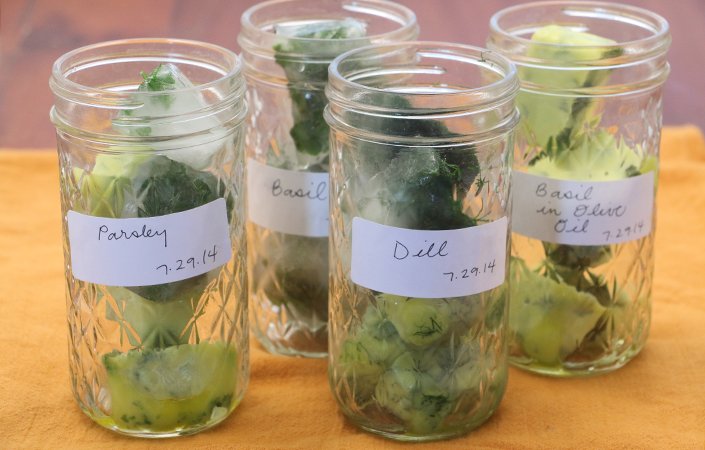
Saving your garden harvest or leftover supermarket packets from turning into mush can sometimes feel like a real race against time. Learning how to freeze fresh herbs is an absolute game-changer for any kitchen looking to reduce food waste and elevate meals throughout the year. Instead of watching your expensive greens spoil on the counter, you can easily lock in peak flavor.


Choosing this preservation route offers massive economic and culinary benefits compared to traditional air drying. While drying strips away delicate essential oils and turns leaves brittle, freezing preserves volatile aromatic compounds much better. This is especially true for soft-stemmed varieties, allowing UK home cooks to capture vibrant summer flavors and enjoy them right through the cold winter months.
Preparation Secrets for Clean and Dry Leaves
Before you begin mastering how to freeze fresh herbs, careful preparation is vital to ensuring a great final texture and taste. Start by washing your produce thoroughly in cold water to remove any hidden dirt, grit, or garden insects. Drying them completely using a clean salad spinner or a soft kitchen towel is essential because excess moisture causes severe freezer burn.
Once clean, managing your stems and leaves depends entirely on the specific plant variety you are handling in your kitchen. You should pull delicate leaves away from thick or woody stems like rosemary and thyme, whereas softer stems on parsley or coriander can often stay. Chopping them finely or leaving them whole prepares them properly for the next stage of preservation.
Freezing Fresh Herbs in Rich Olive Oil
One of the most popular techniques involves discovering how to freeze fresh herbs in high-quality olive oil or British rapeseed oil. Oil naturally acts as a protective barrier against oxidation, keeping your leaves brilliantly green and exceptionally flavorful. Simply pack chopped leaves into clean ice cube trays and submerge them completely in oil before placing them into the freezer overnight.
These oil-infused portions work wonderfully as flavor bombs when you are cooking savory dishes on busy weeknights. When you want to know how to freeze fresh herbs for everyday sautés, curries, or pasta sauces, oil preservation is completely unmatched. You can drop a solid cube straight into a hot frying pan, letting the oil melt away while releasing rich aromas.
Freezing Fresh Herbs in Water for Soups

Alternatively, you can master how to freeze fresh herbs using pure water instead of oil, which is a fantastic lighter alternative. Water-based cubes contain zero added fat and are wonderfully suited for adding bright herbal notes to simmering liquids. Just place chopped leaves into your ice cube tray compartments and fill them up with fresh cold water carefully.
Water cubes are the ultimate secret weapon for quick weeknight cooking, especially when making comforting broths and rich vegetable stocks. If you are wondering how to freeze fresh herbs to toss directly into winter soups and stews, water is your best friend. The ice melts instantly in hot liquids, dispersing fresh garden notes evenly throughout your favorite traditional recipes.
Alternative Freezing Methods for Delicate Varieties
Beyond liquids, you can explore several alternative methods to freeze fresh herbs successfully without using ice cube trays at all. Flash freezing delicate leaves like basil or mint flat on a baking sheet prevents them from sticking together in an unsightly clump. Another brilliant technique involves mixing chopped greens with softened British butter to create flavorful compound logs.
Once your cubes or leaves are completely frozen solid, pop them out and transfer them into clearly labeled airtight freezer bags. Knowing how to freeze fresh herbs properly means they will maintain optimal taste and vibrant color for roughly three to six months. This simple kitchen habit ensures you always have delicious ingredients on hand, no matter the season.
Storage Life and Practical Defrosting Tips
Proper storage techniques ensure that your preserved garden ingredients remain fresh, aromatic, and ready to use whenever inspiration strikes. Keeping your containers sealed tightly prevents lingering freezer odors from ruining the delicate profile of your stored greens. Always label your bags with the date so you can track freshness over the upcoming months.
When you are ready to cook, understanding how to handle your frozen greens makes all the difference in your final dish. For most cooked applications, dropping frozen portions directly into hot pans or pots works best without prior thawing. This locks in the maximum amount of flavor and prevents unnecessary texture loss in your meals.
Frequently Asked Questions
Can you freeze fresh herbs without using water or oil?
Yes, you can freeze clean, dry herbs directly in freezer bags, though they may lose some texture and darken over time. Mastering how to freeze fresh herbs this way is quick, but adding a medium like oil often preserves the vibrant color much better for cooking later.
Which herbs freeze best in oil versus water?
Sturdier Mediterranean varieties like rosemary, thyme, sage, and oregano excel in oil because it protects their robust flavors. Meanwhile, lighter leafy varieties like mint, dill, parsley, and coriander work wonderfully when you learn how to freeze fresh herbs using plain water.
How long do frozen herbs last in the freezer?
They maintain their best flavor and overall quality for about three to six months in a standard home freezer. Knowing how to freeze fresh herbs correctly ensures they remain completely safe to eat and delicious long past the peak harvest season.
Do I need to thaw frozen herb cubes before cooking?
No, for soups, stews, and sautés, you can drop the frozen cubes straight into the hot pan or pot without thawing. This convenience is one of the biggest reasons home cooks love learning how to freeze fresh herbs for speedy meal prep.
You may also read: UK Market Valuations and Price Trends