Beyond the Beach Umbrella: A Journalist’s Deep Dive into West Indian Island Identities

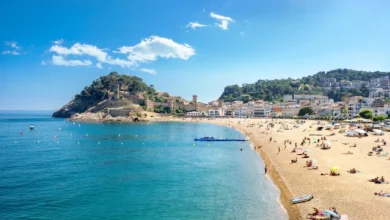
When standing on the shores of Shoal Bay in Anguilla, watching the pale turquoise water meet an unbroken stretch of powdery coral sand, it is easy to assume that all West Indian destinations share a common lineage. However, spend a fortnight traversing the Leeward and Windward chains, and that illusion quickly vanishes. The search for the best islands in the Caribbean frequently leads back to a fundamental truth: geography, history, and local culture have crafted a series of entirely distinct micro-nations, each offering a fundamentally different experience to those who arrive on their shores.
Historically, European rivalries carved the region into French, British, Dutch, and Spanish spheres of influence—influences that remain vividly intact today. Consider Grenada, widely known as the Spice Isle. Unlike its heavily developed neighbours, Grenada’s economy and physical identity remain deeply tied to its agriculture. The air in the capital, St George’s, carries subtle notes of drying nutmeg, cocoa, and cinnamon grown in the fertile volcanic soil of the interior. Beyond its quiet beaches, travellers encounter working cocoa estates and underwater sculpture parks designed to foster artificial reef growth, showcasing an approach to tourism that prioritises environmental heritage over mass commercialism.


A short flight north reveals a completely different atmosphere in Jamaica. Where smaller islands focus on tranquil seclusion, Jamaica provides an energetic, culturally dominant presence that punches far above its weight on the global stage. From the birthplace of reggae in Kingston to the mist-shrouded Blue Mountains and the roaring cascades of Dunn’s River Falls, the island delivers an intense, sensory rich journey. Its culinary traditions, centred around open-air jerk pits and fresh island produce, reflect a fierce sense of national pride that resonates with travellers seeking real human connection alongside natural beauty.
For those who view the ocean itself as the primary destination, the Turks and Caicos Islands represent the pinnacle of marine-focused travel. Formed from extensive limestone platforms rather than volcanic rock, these low-lying islands feature vast expanses of shallow, luminous blue water protected by one of the world’s largest barrier reef systems. Grace Bay on Providenciales has set the benchmark for low-density, high-end coastal living, where the focus remains firmly on water clarity, world-class diving, and minimal urban noise.
The economic realities facing these island nations are complex. Tourism serves as the primary engine for GDP across the region, yet over-reliance on cruise ship arrivals can strain municipal infrastructure and dilute the local guest experience. Forward-thinking islands are increasingly capping daily passenger arrivals and redirecting tax revenues into preserving local historic sites, supporting regional farmers, and protecting fragile coral reefs.
Travel across the West Indies should never be reduced to a tick-box exercise of resort amenities. The true wealth of the region resides in its contrast—the quiet agricultural valleys of Grenada, the undeniable artistic beat of Jamaica, and the pristine, glassy waters of Turks and Caicos. Approaching the region with curiosity rather than a standard sunbed mindset reveals an extraordinarily rich tapestry of human history and natural wonder.
FAQs
What sets Grenada apart from other popular West Indian destinations?
Grenada offers an authentic, agricultural charm focused heavily on spice production and eco-tourism. It avoids high-rise commercial developments, featuring cocoa estates, underwater sculpture parks, and quiet, pristine beaches.
Is it easy to travel between different islands during one trip?
While regional island-hopping requires planning due to varying ferry networks and inter-island flight schedules, short flights via local carriers make combining neighbouring islands—such as Saint Lucia and Grenada—quite manageable.
What is the currency situation across these islands?
The Eastern Caribbean Dollar (XCD) is the official local currency across islands like Grenada, Saint Lucia, and Antigua, though US Dollars are universally accepted alongside major credit and debit cards across the region.
How does Jamaica cater to travellers looking for local culture?
Jamaica boasts a world-famous music and culinary heritage. Visitors can explore open-air jerk pits, tour historic cocoa and coffee plantations in the Blue Mountains, and engage with local reggae and art traditions in urban and coastal communities.
Why are the Turks and Caicos Islands renowned for marine travel?
Formed on a massive limestone plateau, the Turks and Caicos are surrounded by an extensive barrier reef system that creates exceptionally clear, calm turquoise waters perfect for world-class diving, snorkelling, and boating.
You may also read: Best sandwich shops near me – Ultimate Guide to Top Local Delis & Eateries