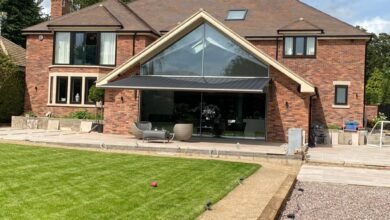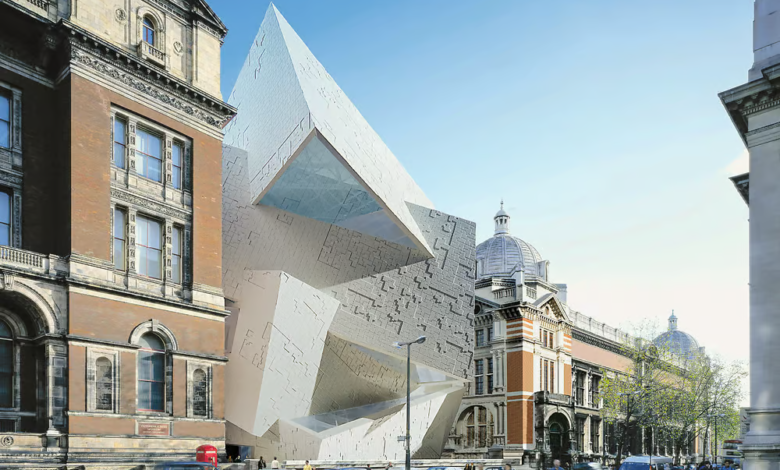
When I hired a London architect, I genuinely thought I was paying for drawings. A few plans, some elevations, a document to hand a builder. By the end I realised the drawings were the smallest part of what a good london architect actually delivers.


The real value sat in the things that never showed up as a neat line on the bill. The coordination, the planning judgement, the whole team working quietly behind one project.
I want to share what I learned, because most people choose an architect without ever understanding what they are really buying. I certainly didn’t, until I went through it myself.
The Team Behind a Single Project
I had pictured one person hunched over a drawing board. The reality was a whole team, each handling a different piece of the puzzle.
A proper practice has planning consultants, designers, a structural engineer, and project managers, all pulling in the same direction. The firm I leaned toward, based in Battersea, was built exactly that way.
Its founder, Eugene Kim, had put together a team where every specialist owned their part. The planning manager handled the council. The engineer handled the structure. The designers shaped the space. One project, many skilled hands, all under one roof.
That structure mattered more than I expected. When the people are this organised behind the scenes, the client barely sees the complexity. It just works.
Why In-House Beats Outsourced Every Time
Here is the part I hadn’t understood at all. Most architecture firms outsource the structural engineering to a separate company down the road.
When that happens, the designer and the engineer never really talk. Problems quietly fall into the gap between them, and guess who pays to fix those problems later. You do.
A practice that keeps structural engineering and planning in-house avoids that entirely. Only around one in ten firms work this way, which makes it worth seeking out.
The structure and the design agree from day one, because the people doing both sit in the same office. Nothing gets lost in translation between two companies who have never met.
Planning Is the Battle You Don’t See
Most of an architects real work happens long before a single brick is laid. The planning stage is where projects quietly succeed or fail.
A strong London architect knows how local councils think, what they approve, and how to present a scheme that gets a yes. That instinct comes from years of submissions across different boroughs, not from a textbook.
A council decision typically takes six to eight weeks. There is no rushing it.
What a good architect does is design to pass first time, so you never face a refusal that sends you back to the start and costs you months. That single skill is worth more than any drawing.
The Turn-Key Approach I Wish I Had Known About
The thing that simplified my whole experience was a turn-key, design and build approach. One team from the first rough sketch all the way to the finished room.
Many good practices also offer an extension cost calculator uk on their website, giving you a realistic budget estimate before your first conversation begins.
Design, planning, structural drawings, procurement and construction, all coordinated together rather than scattered across strangers.
I had a single point of contact the entire way. When a question came up, I rang one number and got an answer from someone who knew my project inside out.
It removed the gap that catches so many homeowners out. When one team owns the whole journey, problems get solved internally, not dumped back on the person paying the bills.
The Relationship Nobody Puts a Price On
What honestly surprised me most was how personal it became. The best architects don’t just design a space. They take the time to understand how you actually live in it.
The Battersea practice I looked at built their whole approach around this. Their founder spoke about going on to become genuine friends with many clients, tailoring each design to the person rather than reaching for a template.
That relationship never appears on an invoice, yet it shapes everything. An architect who understands your morning routine, your family, your habits, designs something that fits your life.
A generic design fits nobody in particular. A personal one fits you. That difference is felt every single day once you move back in.
What the Invoice Never Shows You
By the end, I understood the value completely differently. The drawings were the souvenir you take home. The service was everything that happened around them.
The planning that got approved. The structure that stood up. The team that coordinated quietly. The relationship that shaped the brief. None of it itemised, all of it essential.
A cheap architect who only produces drawings is simply not the same thing as a full team who carries your project from a vague idea to a finished home.
How to Judge One for Yourself
Look past the price tag and the pretty portfolio for a moment. Ask who is actually on the team and what they handle in-house versus outsource.
Ask about their planning record. Ask whether the structure and the design come from the same roof. Ask how they will work with you, not just for you.
Six to eight months from that first meeting to a finished home, and every smooth part of it came from things the invoice never mentioned. A good London architect sells you drawings. A great one carries the entire journey, and that, in the end, is what you are really paying for.