Introduction
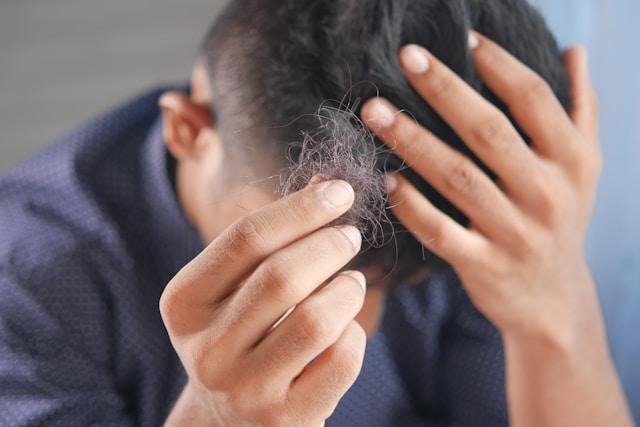
Hair loss affects millions of people worldwide and has an impact on appearance, confidence, and emotional well-being. Treatments were limited to topical solutions, oral medications, or surgical procedures for decades. Many of these treatments offered mixed results. But recent scientific advances are reshaping the scene of hair restoration. Researchers are uncovering new pathways, technologies, and therapies that promise more effective and personalized solutions. This article explores seven groundbreaking developments in hair loss research that are changing the way we understand and treat this condition.


Stem Cell Therapy for Hair Regeneration
Stem cell research has opened new doors in regenerative medicine, and hair restoration is no exception. Scientists are investigating how stem cells can be used to stimulate dormant hair follicles and encourage new growth. By harnessing the body’s natural repair mechanisms, stem cell therapy offers the potential for long-lasting results without invasive surgery. Clinical trials are underway, and early findings suggest that stem cell-based treatments could become a foundation of future hair loss solutions.
Platelet-Rich Plasma (PRP) Advancements
PRP therapy has gained popularity in recent years, but ongoing research is refining its effectiveness. By concentrating platelets from a patient’s own blood and injecting them into the scalp, PRP stimulates follicle activity and promotes healthier hair growth. New studies explore optimal injection techniques, frequency, and combinations with other therapies to maximize outcomes. This evolving approach makes PRP a more dependable option for individuals who seek non-surgical interventions.
Genetic Mapping and Personalized Medicine
Hair loss often has a genetic component, and breakthroughs in genetic mapping are helping researchers identify specific markers linked to conditions like androgenetic alopecia. With this knowledge, treatments can be tailored to an individual’s genetic profile increasing effectiveness and reducing side effects. Personalized medicine represents a shift from one-size-fits-all solutions to targeted therapies that address the root cause of hair loss at a molecular level.
JAK Inhibitors and Autoimmune Insights
One of the most promising areas of research involves Janus kinase (JAK) inhibitors, which have shown impressive results in treating autoimmune-related hair loss such as alopecia areata. These medications work by blocking inflammatory pathways that attack hair follicles. Clinical trials have demonstrated significant regrowth in patients who had limited options. This breakthrough is not offering hope but also causing a revolution in Alopecia Treatment by addressing the immune system’s role in hair loss.
3D Printing of Hair Follicles
The concept of bioengineering hair follicles using 3D printing technology is moving from theory to practice. Researchers are experimenting with creating follicle structures in laboratory settings that can be transplanted into the scalp. If successful, this new idea could provide a unlimited supply of healthy follicles for individuals experiencing severe hair loss. While still in the early stages, the potential influence of 3D printing on hair restoration is tremendous.
Microbiome Research and Scalp Health
The human microbiome has a connection to numerous health conditions, and now scientists are exploring its role in hair growth. A balanced scalp microbiome supports follicle health, while imbalances may contribute to thinning hair. Emerging treatments aim to restore microbial balance through probiotics, topical applications, and dietary interventions. This holistic approach emphasizes that hair health has a deep connection to overall scalp wellness.
Low-Level Laser Therapy (LLLT) Breakthroughs
Low-level laser therapy has been in use for years to stimulate hair growth, but recent breakthroughs are making it more effective. Portable devices, improved wavelengths, and combination therapies are making LLLT more accessible and efficient. By increasing blood flow and cellular activity in the scalp, laser therapy provides a non-invasive option for individuals seeking to slow hair loss and encourage regrowth.
Conclusion
The future of hair loss treatment is brighter than ever, thanks to research breakthroughs across multiple scientific fields. From stem cells and genetic mapping to microbiome insights and advanced technologies, these breakthroughs are having a transformative impact on how we approach hair restoration. While some developments are still in progress, others are already offering new hope to those struggling with hair loss. Together, they represent a shift toward more personalized, effective and lasting solutions—helping individuals regain their hair but also their confidence and quality of life.