Recycling has become a major part of everyday life in the United Kingdom, especially as environmental awareness continues to grow. Understanding recycling symbols uk is essential for households trying to reduce waste and make better disposal decisions. These symbols appear on almost every type of packaging, from plastic bottles to food trays, yet many people still misunderstand their meaning and dispose of items incorrectly.


The importance of recycling symbols uk goes beyond simple bin sorting. It directly affects how efficiently materials are processed and reused within the UK recycling system. When consumers correctly interpret these labels, it reduces contamination, improves recycling rates, and supports national sustainability targets. However, confusion remains high due to inconsistent labelling and varying council rules across different regions.
What Recycling Symbols Mean on UK Packaging
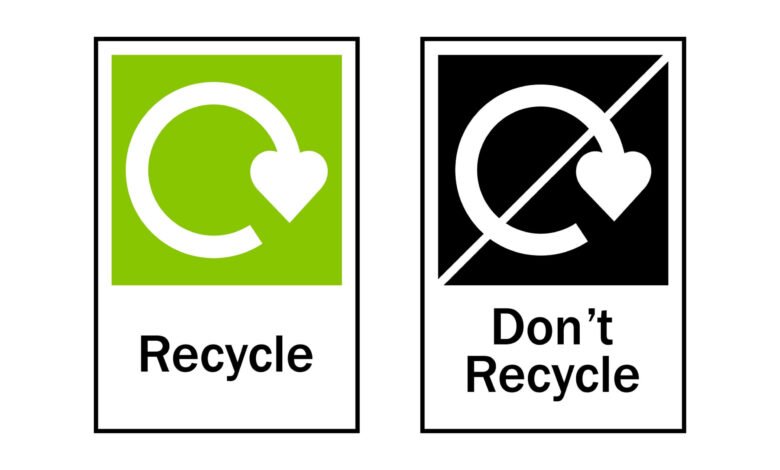
The symbols found on packaging are designed to guide consumers on how to dispose of materials correctly. When people search for recycling symbols uk meaning, they are usually trying to determine whether an item belongs in the recycling bin or general waste. These symbols include logos, arrows, and material identifiers that help communicate recyclability, but they are not always straightforward.
In many cases, recycling symbols uk do not guarantee that an item is recyclable in every local area. Instead, they provide general guidance based on material type and packaging design. UK councils have different recycling capabilities, which means residents must still check local rules. This inconsistency is why many households struggle to fully understand packaging labels and often make recycling errors.
Plastic Recycling Symbols UK Explained (Codes 1–7)
Plastic packaging is labelled using a numbered system from 1 to 7, known as resin identification codes. These codes are a core part of recycling symbols uk and help identify the type of plastic used in packaging. Each number represents a different polymer with different recycling potential, meaning not all plastics are treated equally in UK recycling facilities.
Codes 1 (PET) and 2 (HDPE) are widely accepted and commonly recycled across the UK. Code 4 (LDPE) and Code 5 (PP) are increasingly recyclable depending on local systems, while Codes 3, 6, and 7 are less commonly processed. Understanding recycling symbols uk helps consumers recognise which plastics are more sustainable choices and which should be avoided where possible.
The True Meaning of the Arrow Recycling Symbol
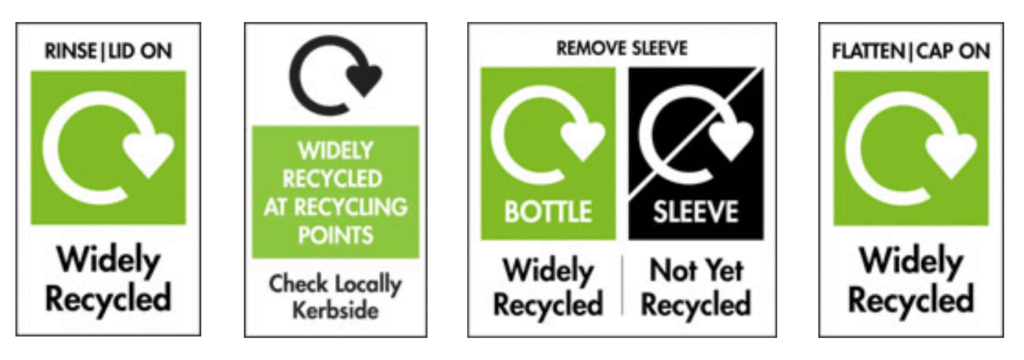
One of the most misunderstood elements of packaging is the triangular arrow symbol often seen on products. Many assume that recycling symbols uk featuring arrows automatically mean an item is recyclable, but this is not always accurate. In reality, the arrows can represent recyclability, recycled content, or participation in a recycling system rather than guaranteed acceptance.
The arrow symbol within recycling symbols uk is part of a broader communication system used by manufacturers. However, it does not override local council rules. An item may carry arrows but still be rejected by certain recycling facilities due to contamination risks or material limitations. This misunderstanding frequently leads to incorrect disposal habits across UK households.
Packaging Recycling Symbols UK and Their Importance
Packaging labels play a crucial role in helping consumers make informed disposal decisions. When analysing recycling symbols uk meanings, it becomes clear that packaging instructions vary widely depending on product type, material, and brand guidelines. Some items display “widely recycled” labels, while others indicate limited or no recyclability.
The presence of recycling symbols uk on packaging encourages responsible waste management, but it also requires careful interpretation. For example, composite packaging made from multiple materials may not be recyclable even if it displays a recycling logo. This complexity highlights why consumers must look beyond symbols and consider local recycling rules before disposal.
Food Packaging and Recycling Symbols in the UK
Food packaging is one of the most confusing areas when it comes to recycling. Many food-related items carry recycling symbols uk, but contamination from food residue often makes them unsuitable for recycling. Items such as greasy pizza boxes, sauce-covered trays, or mixed-material wrappers may not be accepted in standard recycling collections.
Understanding recycling symbols uk in food packaging requires attention to cleanliness and material type. Even if a symbol suggests recyclability, contaminated items can disrupt recycling processes and reduce the quality of recovered materials. This is why UK councils often advise rinsing packaging before disposal or placing heavily soiled items in general waste.
Common Mistakes When Reading Recycling Symbols UK
A common mistake households make is assuming that all items with recycling logos can be recycled. In reality, recycling symbols uk do not guarantee acceptance in every council area. This leads to contamination when non-recyclable items are placed in recycling bins, increasing processing costs and reducing efficiency in recycling plants.
Another frequent misunderstanding involves confusing compostable, biodegradable, and recyclable labels. These terms have different meanings and disposal requirements. Misinterpreting recycling symbols uk can lead to improper waste sorting, which negatively impacts environmental outcomes. Education and awareness are key to improving recycling accuracy across UK households.
UK Recycling Rules and Council Differences
Recycling regulations vary significantly across different UK councils, meaning there is no single universal system. This inconsistency makes recycling symbols uk even more important, as they provide general guidance where local rules may differ. However, residents must still rely on council-specific information for accurate disposal instructions.
Some councils accept a wider range of plastics, while others have stricter limitations based on processing facilities. This variation means that recycling symbols uk should always be used alongside local recycling guides. As the UK moves towards more standardised waste systems, clarity in labelling is expected to improve in the future.
The Future of Recycling Symbols in the UK
The future of recycling is moving towards clearer and more consistent labelling systems. Governments and environmental organisations are working to simplify recycling symbols uk so that consumers can make quicker and more accurate decisions. This includes improved packaging standards and potentially nationwide labelling schemes.
In the coming years, recycling symbols uk may become more standardised across all packaging, reducing confusion and improving recycling rates. Digital tracking systems and smarter packaging technology may also play a role in helping consumers understand exactly how to dispose of items responsibly. This evolution supports long-term environmental goals across the UK.
Conclusion
Understanding packaging labels is essential for improving recycling habits and reducing environmental impact. The role of recycling symbols uk is to guide consumers, but it requires awareness and interpretation to be effective. By learning what these symbols mean, households can make better decisions and reduce contamination in recycling systems.
As recycling systems continue to develop, knowledge of recycling symbols uk will become even more important. Clearer labelling, improved education, and consistent national standards will help create a more efficient and sustainable waste management system across the United Kingdom, benefiting both people and the environment.