Noise Rating Curves Explained: NR System, Charts, and How to Measure Sound Levels for Acoustic Design

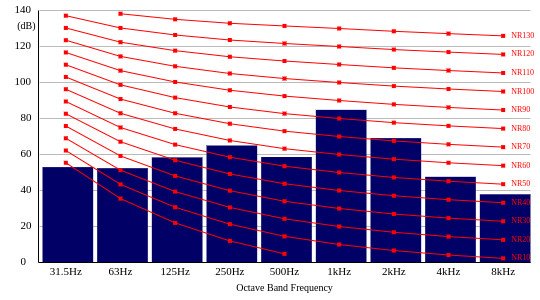
Noise rating curves are an essential tool in modern acoustic engineering, helping professionals evaluate how sound behaves in different environments. They convert complex frequency-based noise data into a single, understandable rating that can be used in building design and environmental planning. In the UK, noise rating curves are widely applied to ensure comfortable indoor sound levels in offices, homes, and public buildings where acoustic quality is important.


Noise rating curves provide a structured approach to understanding noise beyond simple decibel readings. Human hearing responds differently to various frequencies, and these curves account for that variation. By analysing sound across octave bands, engineers can determine whether an environment is acoustically suitable. This makes noise rating curves highly valuable for architects, planners, and HVAC designers working on regulated construction projects.
Understanding the Noise Rating System
The noise rating system is the foundation on which acoustic evaluation is built, and it is closely linked to noise rating curves used in professional assessments. It categorises background noise into standardised curves that represent acceptable sound levels across different frequencies. This allows engineers to compare real-world noise measurements against established benchmarks.
In practical applications, noise rating curves simplify the process of assessing environmental noise by providing a single NR value. This value helps determine whether a space meets acoustic comfort requirements. In the UK, this system is commonly referenced in building standards and design guidelines, ensuring that spaces such as offices, hospitals, and residential buildings maintain appropriate sound conditions.
How Noise Rating Curves Work
Noise rating curves operate by analysing sound energy across multiple frequency bands, typically using octave band measurements. Each frequency band is plotted against standard reference curves, which represent acceptable noise levels. The intersection between measured data and these curves determines the overall NR value assigned to a space.
When using noise rating curves in practice, acoustic engineers collect detailed sound data and compare it to standardised graphs. The highest curve exceeded by the measured sound determines the final rating. This method ensures a consistent and scientifically reliable way of evaluating environmental noise across different building types and usage scenarios.
Noise Rating Curves Charts and Interpretation
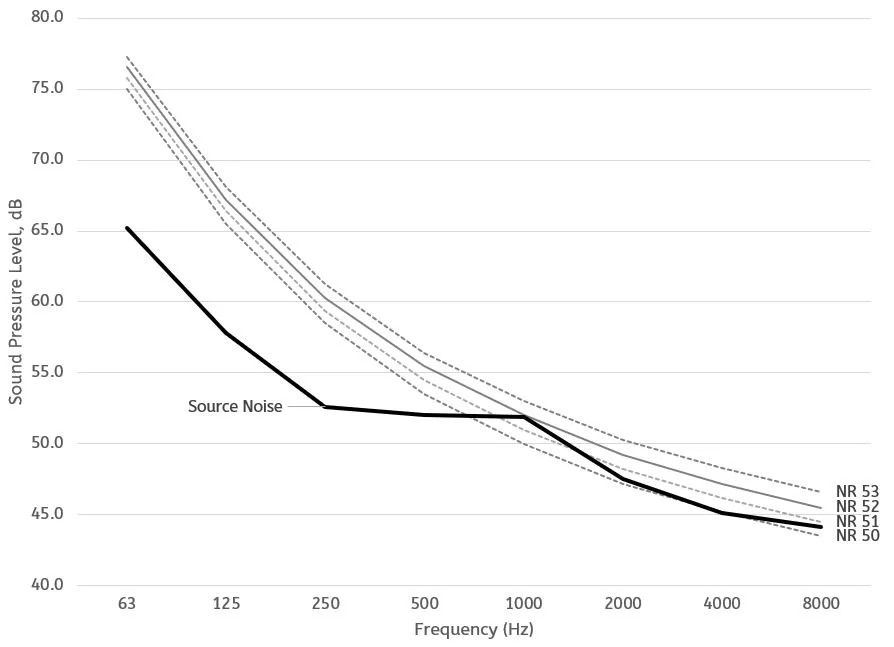
Noise rating curves are visually represented through charts ranging from NR0 to NR130, each indicating different levels of acoustic intensity. Lower values represent quieter environments, while higher values indicate louder conditions. These charts allow professionals to quickly assess whether a space meets the required acoustic standards for its intended purpose.
In design applications, noise rating curves help define acceptable sound levels for various environments such as offices, schools, and healthcare facilities. By interpreting these charts correctly, engineers can ensure that spaces are designed with appropriate sound control measures. This improves comfort, productivity, and overall user experience in both residential and commercial settings.
Measuring Sound Levels for Noise Rating Curves
Accurate measurement is essential when working with noise rating curves, as incorrect data can lead to poor acoustic design decisions. Professionals use specialised equipment such as sound level meters and octave band analysers to capture detailed frequency information. These tools ensure that sound is measured precisely across different bands.
In real-world environments, noise rating curves are influenced by factors such as room size, surface materials, and background interference. To achieve reliable results, measurements must be taken under controlled conditions. This ensures that the final NR value accurately reflects the acoustic performance of the space being evaluated.
Applications of Noise Rating Curves in Real-World Design
Noise rating curves are widely used in HVAC system design to control unwanted mechanical noise within buildings. Engineers rely on these curves to ensure that ventilation and air conditioning systems operate within acceptable acoustic limits. This is particularly important in offices, hospitals, and residential developments where noise control is critical.
In architectural and urban planning, noise rating curves help create balanced acoustic environments that support comfort and usability. They are also used in industrial noise control and environmental assessments. By applying noise rating curves, professionals can ensure compliance with UK acoustic standards while improving overall sound quality in built environments.
Noise Rating Curves vs Other Acoustic Systems
Noise rating curves are often compared with other acoustic measurement systems such as NC (Noise Criteria) and RC (Room Criteria) curves. While all systems aim to evaluate sound levels, noise rating curves are particularly effective for standardised building assessments. They provide a clear and widely accepted method for determining acceptable noise conditions.
Unlike simpler decibel-based measurements, noise rating curves consider frequency distribution, making them more accurate for real-world environments. This makes them especially useful in professional acoustic engineering. However, each system has its own strengths, and selecting the right one depends on the specific requirements of the project.
Best Practices for Using Noise Rating Curves
When working with noise rating curves, it is important to establish clear acoustic targets early in the design process. This allows engineers to integrate sound control measures from the beginning rather than as an afterthought. Proper planning ensures that buildings meet both regulatory requirements and user comfort expectations.
Effective use of noise rating curves also involves combining them with other acoustic design strategies such as insulation, material selection, and layout planning. By taking a holistic approach, professionals can achieve better sound control outcomes. This ensures that spaces remain functional, comfortable, and compliant with UK acoustic standards.
Conclusion
Noise rating curves play a crucial role in modern acoustic engineering by providing a reliable method for assessing and controlling sound levels. They simplify complex acoustic data into a single rating that can be used for design and compliance purposes. Across the UK, noise rating curves are widely applied in building and environmental acoustics.
As construction and design standards continue to evolve, noise rating curves remain an essential tool for achieving acoustic comfort. Their ability to translate frequency-based noise into practical design values makes them invaluable in both residential and commercial projects. Proper application ensures better living and working environments with improved sound quality.