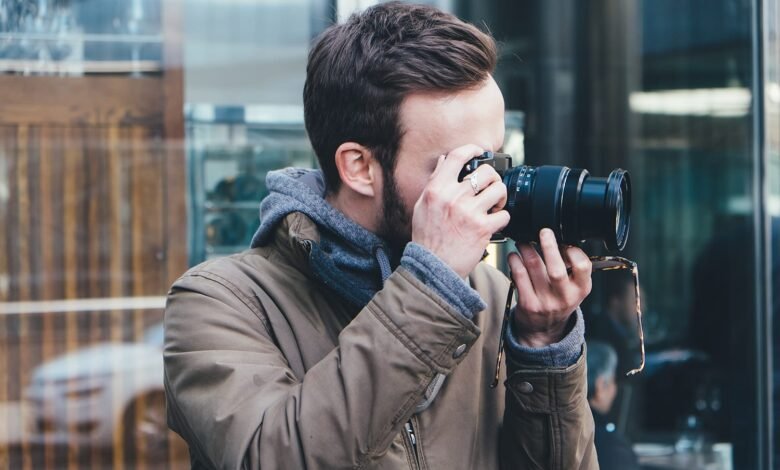
Photography is about capturing moments with clarity and emotion, yet shaky hands can quickly turn a perfect scene into a blurred memory. Many beginners underestimate how even the smallest hand movement affects image sharpness, especially in low light or when using zoom. Understanding how to fix shaky hands photography is essential for anyone who wants consistently crisp and professional-looking images.


When you hold a camera, your body naturally introduces slight movement, and this becomes more visible in slower exposures. This is why learning stability techniques is just as important as mastering composition. By focusing on how to fix shaky hands photography early on, you build a strong foundation that improves every shot you take, regardless of your camera or experience level.
What Causes Shaky Hands in Photography
Shaky hands in photography are usually caused by a mix of natural body movement and technical limitations. Even the steadiest person experiences minor tremors, especially when holding a camera for extended periods. Fatigue, stress, or even caffeine intake can increase this instability, making it harder to capture sharp images without support.
Another major factor is camera settings, particularly slow shutter speeds that allow more time for movement to affect the image. Heavy lenses, zoomed-in shots, and poor lighting conditions all increase the chances of blur. Understanding these causes is a key step in learning how to fix shaky hands photography effectively and preventing issues before they happen.
Master Your Camera Settings for Sharp Images
Camera settings play a vital role in reducing blur caused by shaky hands. One of the most important adjustments is increasing your shutter speed, as faster speeds freeze motion and reduce the impact of hand movement. In darker environments, raising the ISO allows you to maintain a quicker shutter speed without sacrificing exposure.
Modern cameras also include stabilisation features such as optical or in-body stabilisation, which should always be activated when shooting handheld. Balancing aperture and ISO ensures that your images remain sharp without introducing unnecessary noise. Mastering these settings is a powerful way to improve your results and fully understand how to fix shaky hands photography in different shooting conditions.
Improve Your Handholding Technique Instantly
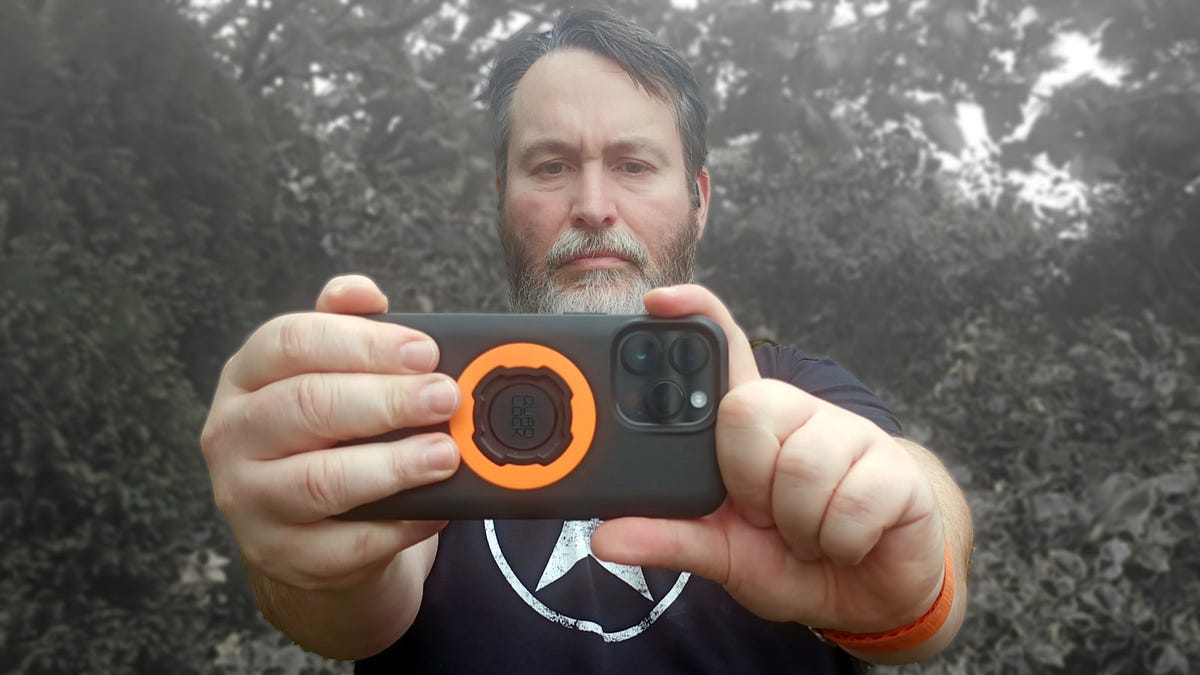
The way you hold your camera directly affects image stability, and small adjustments can lead to significant improvements. Holding the camera with both hands, while supporting the lens from underneath, creates a balanced grip that reduces movement. Keeping your elbows tucked close to your body adds further stability and helps you maintain control.
Breathing techniques also make a noticeable difference when taking a shot. By exhaling slowly and gently pressing the shutter button, you minimise sudden movements that cause blur. These simple yet effective habits are essential when learning how to fix shaky hands photography and can dramatically improve your images without any additional equipment.
Smart Shooting Techniques to Reduce Camera Shake
Smart shooting techniques can greatly increase your chances of capturing sharp images, even when your hands are not perfectly steady. Using burst mode allows you to take multiple shots in quick succession, increasing the likelihood that one image will be perfectly sharp. This technique is especially useful in challenging lighting conditions.
Using a timer or remote shutter release also helps eliminate the small shake caused by pressing the shutter button. Additionally, choosing the right moment to take your shot, when your body is most stable, can make a big difference. These practical approaches provide a reliable solution for anyone looking to improve how to fix shaky hands photography in everyday situations.
Essential Gear to Fix Shaky Hands Photography
While technique is important, the right equipment can significantly enhance your stability and improve your results. Tripods are one of the most effective tools for eliminating camera shake, especially for long exposures or night photography. Monopods offer a more portable solution while still providing additional support.
Lenses with built-in stabilisation and cameras with advanced stabilisation systems also play a key role in reducing blur. Even simple accessories such as camera straps can help create additional points of contact for better control. Investing in the right gear is a practical step towards mastering how to fix shaky hands photography and achieving consistently sharp images.
Mobile Photography: How to Fix Shaky Hands on Smartphones
Smartphones have made photography more accessible, but they are also more sensitive to hand movement due to their lightweight design. Holding your phone with both hands and maintaining a stable posture can significantly reduce shake. Using physical buttons instead of tapping the screen also helps minimise movement during capture.
There are many apps available that offer stabilisation and sharpening features, making it easier to improve image quality on mobile devices. Accessories such as small tripods or gimbals can further enhance stability. These techniques demonstrate that learning how to fix shaky hands photography is just as important for mobile users as it is for traditional camera users.
How to Reduce Camera Shake When Filming Video
Filming video requires even greater stability than photography because movement is continuous and more noticeable. Walking smoothly, keeping your arms relaxed, and maintaining a steady pace can help reduce unwanted shake. Practising controlled movement is essential for achieving professional-looking footage.
Using a gimbal or stabiliser is one of the most effective ways to create smooth video, especially when shooting handheld. Adjusting frame rate and shutter speed also contributes to better visual quality. Learning how to reduce camera shake when filming ensures that your videos look polished and engaging, even without advanced equipment.
Editing Solutions to Fix Blurry Photos
Even with the best techniques, some images may still appear slightly blurred. Editing software can help improve sharpness and reduce minor shake, allowing you to recover some detail in your photos. Basic sharpening tools are easy to use and can enhance the overall clarity of your images.
However, editing cannot completely fix severely blurred photos, which is why prevention is always the best approach. Combining strong shooting techniques with basic editing skills gives you a complete workflow for managing image quality. This balanced approach supports your overall understanding of how to fix shaky hands photography effectively.
How to Avoid Camera Shake in Any Situation
Avoiding camera shake becomes easier with practice and awareness of your surroundings. Before taking a shot, check your settings, stabilise your body, and ensure your grip is secure. Adapting to different environments, such as low light or outdoor conditions, helps maintain consistent image quality.
Over time, these habits become second nature, allowing you to focus more on creativity and composition. Building a routine that prioritises stability ensures long-term improvement in your photography skills. Learning how to avoid camera shake is an essential part of mastering how to fix shaky hands photography in any situation.
Conclusion: Build Stability for Consistently Sharp Photos
Improving stability in photography is a gradual process that combines technique, knowledge, and practice. By focusing on camera settings, body control, and the right equipment, you can significantly reduce blur and capture sharper images. Every photographer faces challenges with shaky hands, but these can be overcome with the right approach.
With consistent effort, your confidence and skills will grow, allowing you to produce high-quality images in any situation. Understanding how to fix shaky hands photography empowers you to take control of your shots and achieve professional results. In the end, steady hands and smart techniques lead to better photography and more satisfying creative outcomes.
FAQs
What is the best shutter speed to avoid camera shake?
A fast shutter speed, typically matching or exceeding your focal length, helps minimise blur caused by hand movement and ensures sharper images.
Can you fix shaky hands photography without a tripod?
Yes, proper technique, faster settings, and stabilisation features can help you achieve sharp images even without a tripod.
How do professionals keep their hands steady while shooting?
Professionals rely on posture, breathing control, and stabilised equipment to maintain steady shots in different conditions.
Do lenses with stabilisation really make a difference?
Yes, stabilised lenses significantly reduce the effects of minor hand movements, especially in low light or zoomed shots.
How can I reduce shaky hands when using a smartphone camera?
Use both hands, maintain a steady posture, and consider using stabilisation apps or accessories for improved results.
Is it possible to fix blurry photos completely in editing?
Editing can improve slight blur, but heavily blurred images cannot be fully corrected, making prevention essential.
What is the best way to reduce camera shake when filming video?
Using a stabiliser or gimbal, along with smooth movement techniques, helps create steady and professional-looking footage.
Are there apps that help fix shaky hands photography?
Yes, many apps offer stabilisation and sharpening tools to improve image quality on both smartphones and cameras.
You may also read: Key Features to Look for in a Baby Stroller