Home Renovation Trends UK Homeowners Are Searching For
Search data is a far better guide to what people actually want than any interiors magazine. Google Trends and search volumes from 2025 and 2026 show where UK homeowners are really putting their money, and a few clear patterns have appeared. Below, we cover everything you need to know about the renovations getting the most attention right now.


Wet Rooms Are Pushing Out the Bath
Searches for wet room conversions have climbed steadily, and a lot of that is driven by ageing-in-place planning. People want a walk-in shower they can use comfortably for decades, instead of a bath they’ll struggle to climb into later.
The other reason is simpler. Walk-in showers look better in small bathrooms and they’re easier to clean. A full wet room in the UK usually runs from around £5,000 to £10,000 depending on size and tanking work, so it’s worth getting the waterproofing done properly the first time. Cutting corners on tanking is where most problems start.
Kitchen and Bathroom Cladding Instead of Tiles
One of the sharpest risers is wall cladding. Search terms like “PVC wall panels bathroom” and “kitchen cladding sheets” have grown a lot, and the reason is obvious once you’ve ever spent a weekend grouting. Cladding goes up fast, there’s no grout to scrub, and most people can fit it themselves over a couple of days.
What’s changed recently is colour. Five years ago the market was basically white and more white. Now, the most popular suppliers in the UK, like Simply Cladding, stock hygienic PVC panels in satin pastels, intense shades and gloss finishes, so you can do a feature wall in something like a deep teal or a dusky pink without going near a tile cutter. The panels wipe clean, which is why they started in hospitals and commercial kitchens before homeowners caught on.
For a splashback or a full shower wall, the appeal is the same. You get a smooth, joint-free surface that doesn’t trap dirt and doesn’t need sealing every year.
Garden Rooms Haven’t Gone Anywhere
The garden room boom started during Covid, and plenty of people expected it to fade once everyone went back to the office. It hasn’t. Hybrid working has kept demand steady, and a garden office or studio adds usable space without the cost and disruption of an extension.
Prices vary widely, from around £6,000 for a basic insulated pod to £30,000 or more for a fully fitted, year-round room with heating and power. The ones that hold their value tend to be properly insulated and wired, so they work all year instead of just in summer.
Heat Pumps Climbing on the Back of Grants
Searches for air source heat pumps have risen as the Boiler Upgrade Scheme has made them more affordable, with a £7,500 grant in England and Wales knocking a big chunk off the upfront cost. Landlords are also looking ahead to tighter EPC rules, with rented homes in England and Wales needing to reach EPC band C by October 2030, which has pushed more interest in insulation and lower-carbon heating.
A heat pump install isn’t cheap even with the grant, and it works best in a well-insulated home. That’s why a lot of people are tackling insulation and draught-proofing first, then looking at the heating system once the basics are sorted.
The Trends Quietly Fading Out
Not everything is on the way up. A few once-popular choices are dropping off:
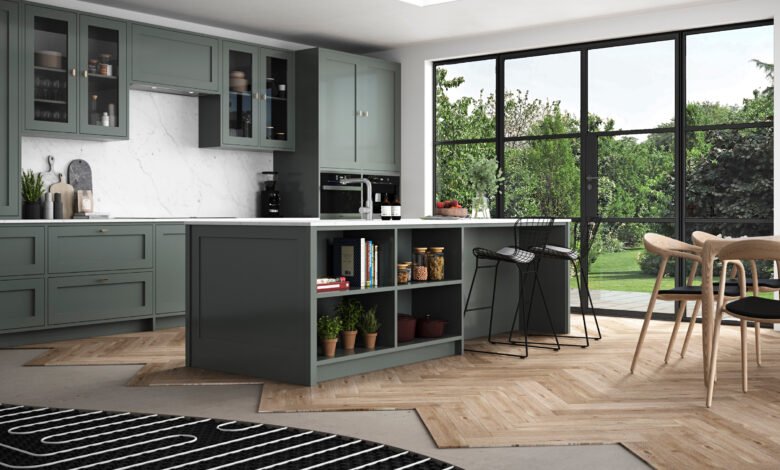
- Grey everything. The all-grey interior look is being replaced by warmer tones, greens and natural wood.
- Open-plan kitchen-diners. After years of knocking through, some people are putting walls back to get a quiet, separate room.
- High-gloss white kitchens. Matt finishes and handle-less units have taken over the searches.
None of these has vanished completely, but the momentum has clearly shifted towards warmth, texture and a bit more separation between living spaces.
Pulling It All Together
If you’re planning work this year, the search data points in a clear direction. People want renovations that are practical, easier to maintain and cheaper to run, whether that’s a wipe-clean wall, a year-round garden office or a heating system that costs less over time.
The smart move is to follow the trends that suit how you actually live, not just what’s popular this month. Spend where it earns its keep, and you’ll get a home that works for you long after the trend has moved on.