Why is my dog panting so much? Causes, symptoms, and when to worry (UK Vet Guide)

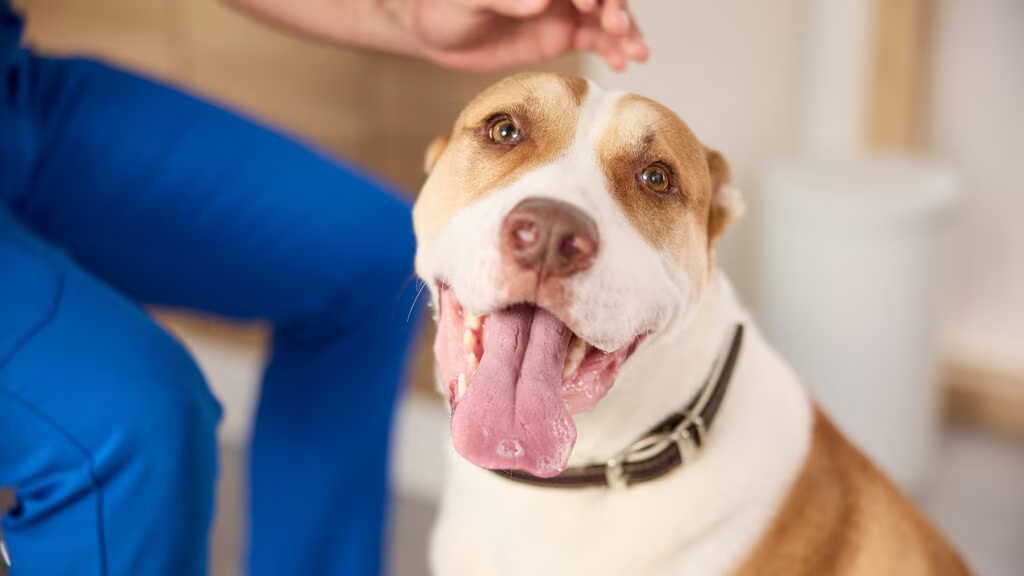
If you have recently found yourself asking why is my dog panting so much, you are not alone. Panting is a natural behaviour in dogs and plays a vital role in regulating their body temperature. Unlike humans, dogs do not sweat efficiently, so they rely on panting to cool down. However, when this behaviour becomes excessive or unusual, it can raise concern among pet owners.

Understanding the difference between normal and excessive panting is essential for your dog’s wellbeing. While occasional panting after exercise or excitement is expected, constant or unexplained panting may indicate stress, discomfort, or an underlying health issue. Recognising early signs can help you act quickly and ensure your dog receives the care it needs.
What is normal dog panting vs excessive panting?
Normal dog panting is typically light, rhythmic, and occurs during or after physical activity, warm weather, or emotional excitement. It usually settles once your dog has cooled down or calmed down. In such cases, panting is simply the body’s way of maintaining a safe internal temperature and does not signal any danger.
Excessive dog panting, on the other hand, is more intense and persistent. If your dog is panting heavily without any clear trigger or continues even while resting, this may indicate a deeper issue. Paying attention to the frequency, duration, and intensity of panting can help you determine whether it is normal or a cause for concern.
Common causes: Why is my dog panting so much?
There are several common reasons behind dog panting a lot, and identifying the cause is key to proper care. Heat is one of the most frequent triggers, especially during warmer months in the UK. Dogs exposed to high temperatures or poor ventilation may pant excessively as their bodies struggle to cool down.
Stress and anxiety are also major contributors. Loud noises, unfamiliar environments, or separation from owners can lead to dog panting for no reason. Additionally, pain, injury, obesity, and certain medications may cause increased panting. If you keep wondering why is my dog panting so much, it is important to consider both physical and emotional factors.
Dog panting at night: Why does it happen?
Dog panting at night can be particularly worrying, as it disrupts both the dog’s and the owner’s sleep. In many cases, this may be linked to environmental factors such as a warm sleeping area or lack of airflow. Dogs may also experience anxiety at night, especially if they are left alone or feel insecure in their surroundings.
If you are asking why is my dog panting at night, it could also indicate discomfort or pain that becomes more noticeable during rest. Some dogs may experience conditions that worsen at night, such as joint pain or breathing difficulties. Monitoring patterns and associated behaviours can help identify the root cause.
Dog panting while resting or doing nothing
Seeing your dog pant while resting can be confusing and concerning. Normally, a relaxed dog should have calm and steady breathing. If you are wondering why is my dog panting while resting, it may suggest that something is affecting your dog’s comfort or health.
Persistent dog panting excessively without activity could be linked to internal issues such as heart disease, respiratory problems, or hormonal imbalances. It may also indicate hidden pain or discomfort. Observing your dog’s behaviour closely and seeking professional advice can help prevent serious complications.
Dog panting and shaking: What it means
When dog panting and shaking occur together, it often signals distress. This combination may be triggered by fear, anxiety, or exposure to stressful situations like loud noises or unfamiliar environments. Dogs may also shake when they are cold or emotionally overwhelmed.
However, why is my dog panting and shaking can sometimes point to more serious conditions. Pain, poisoning, or heatstroke may cause these symptoms simultaneously. If your dog appears weak, disoriented, or continues to show these signs, immediate veterinary attention is crucial to ensure safety.
Senior dogs: Why is my old dog panting so much?
Older dogs often experience changes in their breathing patterns due to ageing. If you are asking why is my 13 year old dog panting so much, it may be related to declining organ function, reduced fitness, or chronic health issues. Conditions such as heart disease and arthritis can make breathing more difficult and uncomfortable.
Old dog panting and drinking lots of water can also be a sign of underlying medical conditions like kidney disease or hormonal disorders. Senior dogs require extra care and monitoring, as symptoms may develop gradually and worsen over time. Regular vet check-ups are essential for maintaining their health.
Dog panting and drinking lots of water
When dog panting heavily is combined with increased thirst, it may indicate dehydration or a more serious health concern. Dogs naturally drink more water when they are hot, but excessive thirst alongside panting should not be ignored.
If you notice dog panting at night and drinking lots of water, it could be linked to conditions such as diabetes or Cushing’s disease. Monitoring water intake and behavioural changes can provide valuable clues. Consulting a vet is important to ensure proper diagnosis and treatment.
Conclusion
Understanding why is my dog panting so much is essential for every responsible pet owner. While panting is a normal and necessary behaviour, excessive or unexplained panting can signal underlying problems that require attention. Recognising patterns, triggers, and accompanying symptoms helps in making informed decisions about your dog’s health.
Taking timely action can prevent minor issues from becoming serious concerns. Whether your dog is panting at night, while resting, or showing signs of distress, seeking professional guidance ensures your pet remains healthy, comfortable, and safe in the long term.
FAQs
Why is my dog panting so much all of a sudden?
Sudden panting may be caused by heat, stress, or pain. It can also indicate an underlying medical issue that requires immediate attention.
Is dog panting at night normal?
Occasional panting at night can be normal, but frequent or intense panting may signal anxiety, discomfort, or health problems.
Why is my dog panting while resting?
Panting while resting is often a warning sign of illness, pain, or respiratory issues and should be evaluated by a vet.
Why is my dog panting and shaking?
This combination may be due to stress, fear, or serious conditions like poisoning or heatstroke.
Why is my old dog panting so much?
Older dogs may pant more due to age-related health issues such as heart disease, arthritis, or reduced lung function.
You may also read: Garlic as the Strongest Natural Antibiotic