Before picking up a rental car, you should check the vehicle, paperwork, and rental terms to avoid paying for damage you didn’t cause or fees you never agreed to.


Most people skip the walkthrough because they’re tired from the flight and just want to get going. That’s exactly when a small scratch you didn’t notice becomes your problem at drop-off. A quick inspection takes less than 10 minutes, but it can save you money, disputes over damage, and unnecessary stress when you return the vehicle.
That’s why the team behind GlaPacked put together this car rental checklist based on what travellers consistently get wrong at the counter. We’ll walk you through the inspection, the questions worth asking, and everything you should read before signing.
What to Sort Out Before You Leave Home
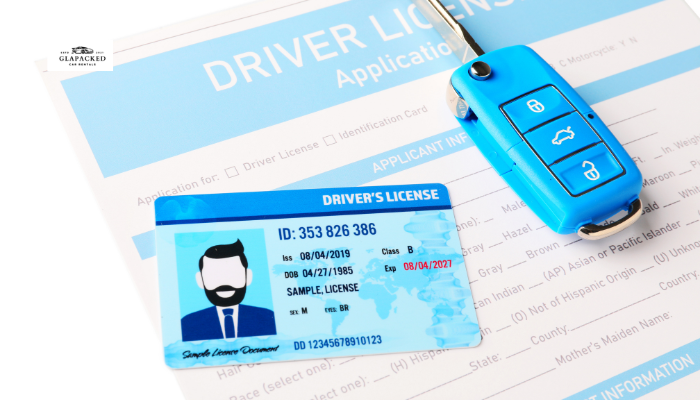
Your driver’s licence, passport, credit card, and proof of insurance are the four documents most car hire companies ask for before handing over the keys. Depending on the destination, you may also need additional paperwork.
So before you leave home, make sure your paperwork is in order and that you understand exactly what your insurance does and doesn’t cover. The sections below break down both in more detail.
Paperwork and ID You’ll Need
Your driver’s licence needs to remain valid for the full duration of your trip. Renting abroad? Some countries won’t let you drive without an International Driving Permit, even if your home licence is perfectly valid. You’ll also need your passport as proof of identity when collecting the vehicle.
Don’t forget to check the age requirements either. Most rental companies have a minimum age for drivers and won’t hand over the keys if you don’t meet it. The exact requirement varies by provider and location, but it’s usually set between 21 and 25 years old. Young driver surcharges may apply as well.
Pro Tip: Bring the exact credit card you used to book because counters often won’t accept a different one for verification.
Know Your Insurance Coverage in Advance
By the time you’re at the counter, someone will offer you a Collision Damage Waiver (CDW) with a daily fee attached. That’s the wrong moment to figure out whether you’re already covered.
A CDW limits what you’re liable for if the rental car gets damaged. Hire companies charge a daily fee for it, and you may already be covered through your credit card or travel insurance.
To confirm your existing cover, spend ten minutes checking your policy documents. Screenshot the details and have them ready on your phone. That way, you can say no with confidence later instead of caving because you’re not sure.
Rental Agreement Checks Before You Sign
It’s easy to skim the paperwork when you’re eager to get on the road, but the rental agreement is where unexpected fees and conditions often appear. Checking it before you sign can help you avoid surprises later. Three areas are especially worth confirming:

- Reservation Match: Double-check that the car category, pick-up location, and return date reflect your original booking exactly. Even a small mistake, such as the wrong return date or vehicle class, can create delays at the counter.
- Fuel Policies: The agreement will specify whether you’re on a full-to-full or prepaid fuel arrangement. Full-to-full means you return the car with a full tank and pay only for what you use. By contrast, prepaid fuel is charged upfront at the rental company’s rate, which often removes flexibility and can be more expensive.
- Kilometre Limits and Extra Fees: Road trips usually run longer than planned. If your agreement includes a daily kilometre cap, those extra kilometres can quickly increase your total cost. So look out for that, along with any booking fees or conditions around extended hire periods.
Worth Noting: If the car category or rate doesn’t match your booking, don’t sign until it’s corrected in writing. A verbal promise from the counter staff means nothing once you’ve driven away.
Inspecting the Car: Exterior and Interior Checks
The car you’re handed isn’t guaranteed to be in the condition the rental company believes it’s in. Damage can be missed during the previous return or simply go unrecorded. To avoid being held responsible for someone else’s mistake, inspect both the exterior and interior carefully before you drive away. Start outside:
Exterior Walkaround and Photo/Video Documentation
Walk the full perimeter slowly, in one direction, so you don’t skip a panel. Check the bumpers, doors, mirrors, roof, and wheels for anything that doesn’t belong: a scratch, a dent, a chip in the paint, or scuffed rims. As you go, record a slow, steady video of all four sides and close-ups of anything questionable. And if your phone shows the date on screen, film that briefly too.
Found something? Don’t just photograph it and move on. You should point it out to the staff and ask for it to be noted on the agreement. Once it’s in writing, there’s no dispute about who caused it.
Interior, Dashboard, and Functional Checks
Now get in the car and check the fuel gauge against the agreement. A mismatch is easy to flag now, harder to argue later.
Look at the odometer as well. Then test the basics:
- Headlights, taillights, turn signals, wipers
- Spare tyre and jack in the boot
- Horn
- Power windows and door locks
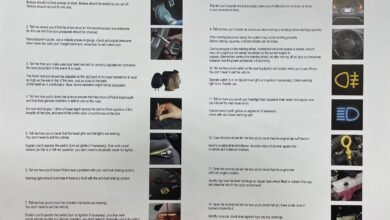
Remember to check the dashboard for any warning lights already showing. Existing faults should be documented before you take responsibility for the car. Take a quick look at the seats and interior trim for damage as well. If anything looks off, photograph it and tell staff before you leave.
And while you’re in there, note where the hazard lights and fuel cap release are. Better to know now than to be searching on a dark road later.
Questions to Ask the Rental Staff
We’ve seen people drive off without asking a single question, then call back an hour later, wondering why their toll charges tripled overnight. A few quick questions at the counter take less than 5 minutes and save you from that exact situation.
Start with the return grace period. Some companies allow a 30-minute window, while others charge an extra full day the moment you go over. And if you’re picking up near an airport or city centre, check whether toll tags are fitted and how charges are handled. They’re not always included in the rental rate, so ask how they work when you’re collecting the vehicle.
Ask about roadside assistance, too. Find out what’s covered, what number to call, and whether the service runs around the clock.
Also, confirm the fuel type the car takes before you leave the lot. Otherwise, it’s easy to pick the wrong pump, since diesel and unleaded are often positioned next to each other at most Australian service stations. Misfuelling can be a costly mistake, especially because most insurance policies don’t cover it.
Hidden Fees and Other Red Flags to Watch For
Most rentals go fine. But some don’t, and the difference usually comes down to whether you noticed something early enough to speak up. Common red flags include:
- Existing Damage Isn’t Being Documented: If staff seem reluctant to note damage already on the vehicle, ask again and make sure it’s recorded before you sign.
- A Strong Cleaning Smell Inside the Car: Heavy odours can sometimes be covering smoke damage, mould, or other issues that should be identified before you leave.
- A Warning Light Is Already Illuminated: Don’t accept a vague assurance that it’s normal. Ask what the warning means and have it documented if necessary.
- The Total Doesn’t Match Your Booking: Any discrepancy between the quoted and signed price should be resolved before you drive away.
If any of these come up, don’t brush them off. Asking questions and flagging issues can save a lot of headaches down the line. This is especially important when it comes to pricing. The ACCC requires that mandatory fees appear in the advertised price. So if something shows up in the fine print that wasn’t in your original quote, push back and ask for it in writing.
Your Car Rental Checklist at a Glance
You now know what to check at the car, what questions to ask at the counter, and when to push back before signing. Still, it’s easy to forget things on the day. Use this checklist as a quick final review before you leave.
- Documents and insurance confirmed before leaving home
- Rental agreement checked and signed only when correct
- Full exterior and interior inspection completed and documented
- Key questions asked at the counter
The companies that charge you unfairly are counting on you skipping this. Ten minutes is all it takes to make sure they can’t.
If you’d rather spend less time double-checking paperwork and more time enjoying your trip, choose a rental company that prioritises transparency. GLA Packed is a Brisbane-based rental company built around transparent pricing and a pickup process that won’t contradict this checklist.
Visit our website to see what’s available.