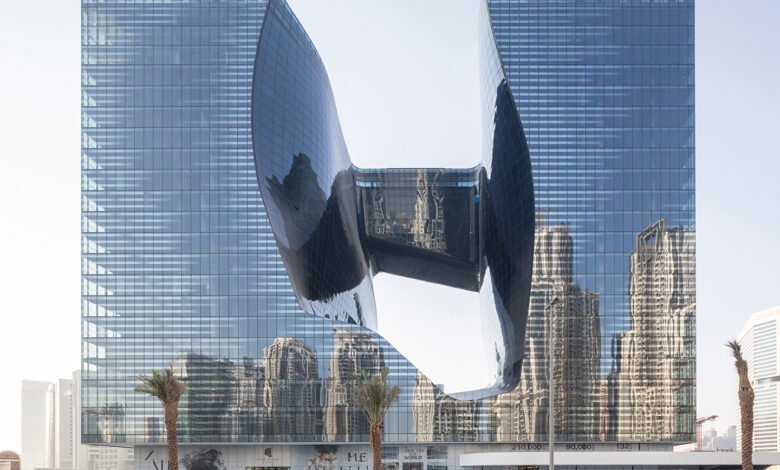
Zaha Hadid was a groundbreaking architect whose visionary designs transformed contemporary architecture. The structures designed by Zaha Hadid are celebrated for their fluidity, futuristic curves, and daring structural innovations. Her work combines art, engineering, and urban functionality, creating buildings that are not only visually striking but also highly functional. These structures continue to inspire architects and designers worldwide.

Her approach challenged traditional architecture by embracing bold, sweeping forms that defy conventional geometry. The structures designed by Zaha Hadid push the boundaries of engineering while remaining integrated within their urban environments. From cultural landmarks to commercial hubs, Hadid’s work demonstrates a balance between creativity and practicality, making her a true icon of modern design.
Zaha Hadid’s Architectural Philosophy
The structures designed by Zaha Hadid reflect her philosophy of fluidity and organic form. She rejected rigid, right-angled architecture in favour of dynamic, flowing lines that evoke movement. Her buildings often appear as living entities, harmonising with their surroundings while captivating the observer. Hadid believed architecture should inspire, challenge, and transform urban landscapes simultaneously.
Her Iraqi-British heritage and global experiences shaped her distinctive design language. The structures designed by Zaha Hadid are imbued with cultural sensitivity, technological innovation, and sculptural elegance. She combined creativity with structural intelligence, demonstrating that architecture could break rules yet remain functional. Her works remain a study in how imagination and engineering can coexist harmoniously.
Most Iconic Structures Designed by Zaha Hadid Globally
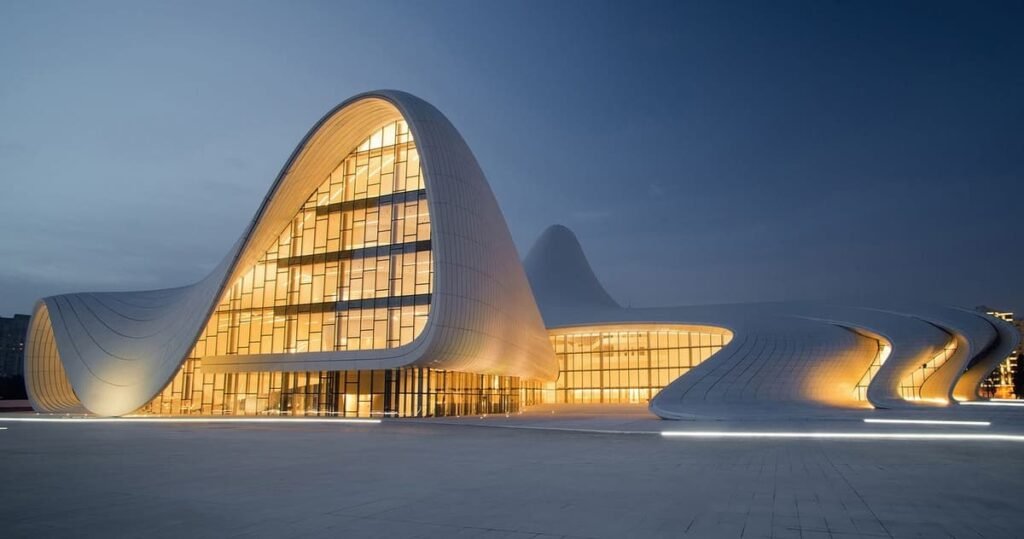
The Heydar Aliyev Center in Baku is one of the most celebrated structures designed by Zaha Hadid. Its flowing, undulating forms merge seamlessly with the landscape, creating a building that is both an architectural and cultural symbol. The structure represents a modern vision of Azerbaijani identity while highlighting Hadid’s mastery of fluid geometry.
The MAXXI Museum in Rome also exemplifies her signature style. Intersecting lines, dynamic interiors, and unexpected angles define the space, creating a museum experience that feels as innovative as the artwork it houses. Similarly, the Guangzhou Opera House in China mimics twin boulders in its composition, demonstrating the structures designed by Zaha Hadid as organic, sculptural marvels that challenge conventional expectations.
Structures Designed by Zaha Hadid in Dubai
Dubai has become a hub for futuristic architecture, featuring some of the most iconic structures designed by Zaha Hadid. The Signature Towers in Dubai, often referred to as the “dancing towers,” reflect movement and fluidity, standing as a testament to Hadid’s creative genius. These towers combine elegance with engineering innovation, making them landmarks of modern urban design.
Sheikh Zayed Bridge in Abu Dhabi is another remarkable structure designed by Zaha Hadid. Its sweeping curves and innovative structure integrate beautifully with the surrounding landscape. Beyond aesthetics, the bridge demonstrates Hadid’s commitment to functional engineering. The structures designed by Zaha Hadid in Dubai and the UAE highlight her global influence and ability to merge artistry with utility.
Key Characteristics of Zaha Hadid’s Designs
Fluidity and motion define the structures designed by Zaha Hadid. Her buildings often appear to defy gravity, with sweeping curves and interconnected spaces that create a sense of continuous movement. Every project reflects a harmonious blend of sculptural beauty and functional design, where each line and curve serves both aesthetic and practical purposes.
Material innovation is another hallmark of her work. The structures designed by Zaha Hadid often employ concrete, steel, and glass to achieve complex, daring forms. Her designs interact with urban landscapes, transforming city skylines and setting new standards for contemporary architecture. Zaha Hadid’s unique approach ensures that each building is both visually stunning and structurally innovative.
Legacy of Zaha Hadid and Her Architectural Firm
Zaha Hadid’s architectural legacy continues through her firm, Zaha Hadid Architects, which maintains her visionary style while exploring new technological and sustainable solutions. The structures designed by Zaha Hadid remain a source of inspiration for architects, designers, and students globally. Her firm continues to produce cutting-edge projects that reflect her creative philosophy.
Through awards, exhibitions, and publications, Zaha Hadid’s influence extends far beyond her buildings. The structures designed by Zaha Hadid continue to challenge conventions, inspiring future generations to explore architecture as both an art and a science. Her work has reshaped contemporary architecture and set a benchmark for innovation, elegance, and creativity worldwide.
Conclusion
The structures designed by Zaha Hadid are more than buildings—they are statements of innovation, creativity, and cultural expression. From Dubai to Europe and Asia, her projects showcase a seamless blend of form, function, and engineering brilliance. Exploring these structures designed by Zaha Hadid offers insight into a visionary mind that continues to inspire architects globally.
Her work has left a lasting legacy, demonstrating that architecture can be both functional and breathtakingly imaginative. The structures designed by Zaha Hadid transform cityscapes, enrich cultural experiences, and inspire future designers to think beyond conventional limits, ensuring her vision endures for generations to come.
FAQs
What are the most famous structures designed by Zaha Hadid?
The Heydar Aliyev Center, MAXXI Museum, Guangzhou Opera House, Vitra Fire Station, and London Aquatics Centre are some of her most renowned works.
Which structures designed by Zaha Hadid can be visited in Dubai?
Signature Towers and Sheikh Zayed Bridge are the most iconic structures designed by Zaha Hadid in Dubai and Abu Dhabi.
What is Zaha Hadid’s signature architectural style?
Her signature style features fluid, organic forms, bold curves, and interconnected spaces that challenge traditional architecture.
Are the structures designed by Zaha Hadid functional as well as artistic?
Yes, every structure combines aesthetic brilliance with practical usability, creating functional, innovative spaces.
How has Zaha Hadid Architects continued her legacy?
The firm continues to design futuristic and sustainable buildings, preserving her vision while inspiring contemporary architecture worldwide.