How to get something out of your eye safely: simple steps that work (and when to seek help)

Getting debris in your eye is an everyday issue that can quickly become uncomfortable and worrying. Whether it is a tiny speck of dust, an eyelash, or a grain of sand, knowing how to get something out of your eye safely is essential for protecting your vision. The eye is a delicate organ, and even minor irritation can feel intense if not handled properly.


Many people react by rubbing their eye, but this can cause more harm than good. Scratching the surface of the eye may lead to infection or longer-lasting discomfort. Learning how to get something out of your eye using safe, gentle techniques ensures that you avoid complications while resolving the issue quickly and effectively.
Common causes of something stuck in your eye
Foreign objects can enter your eye in a wide variety of everyday situations. Windy weather can carry dust and pollen, while indoor environments may expose you to fibres, pet hair, or makeup residue. Even routine activities like rubbing your face or adjusting contact lenses can introduce particles without you noticing.
Sometimes, the sensation of having something in your eye is not caused by a visible object at all. Dryness, allergies, or irritation can create a similar feeling. Understanding these causes is important when deciding how to get something out of your eye, as the approach may differ depending on whether the issue is physical or environmental.
Symptoms to look out for
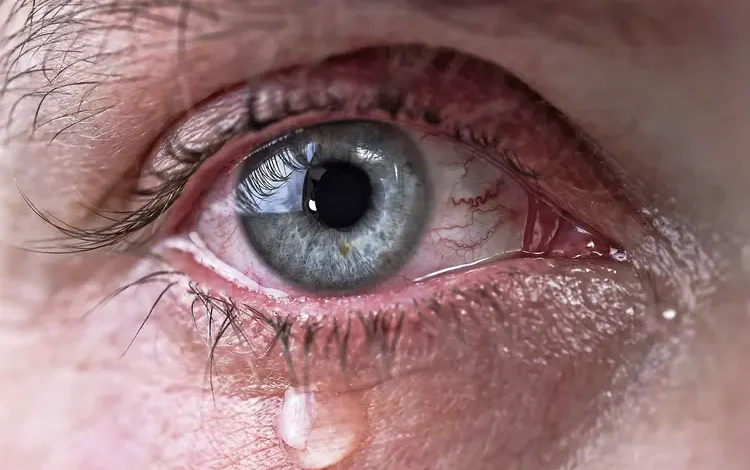
When something is trapped in your eye, your body responds immediately with protective mechanisms. You may experience watering, redness, or a gritty sensation that becomes more noticeable when blinking. These symptoms are the eye’s natural way of trying to remove the irritant without external help.
In some cases, more serious symptoms may appear, such as blurred vision, sharp pain, or increased sensitivity to light. These signs should not be ignored, as they could indicate a deeper problem. Recognising these symptoms is key when learning how to get something out of your eye and determining whether home care is sufficient.
How to get something out of your eye safely

The safest way to begin is by washing your hands thoroughly with soap and water to prevent introducing bacteria. Once your hands are clean, try blinking several times, as tears can naturally flush out small particles. This simple method is often effective and should always be your first step.
If blinking does not resolve the issue, rinse your eye gently with clean, lukewarm water or a saline solution. Tilt your head and allow the water to flow across the eye rather than directly into it. This approach is widely recommended when considering how to get something out of your eye safely without causing further irritation.
How to get something out of your eye naturally
Natural methods rely on the body’s own ability to protect and cleanse the eye. Tears play a vital role in washing away debris, so allowing your eye to water can often solve the problem without additional tools. Blinking repeatedly encourages this natural process and helps dislodge particles.
Another helpful technique involves gently moving your eye in different directions while blinking. This can shift the object to a position where it is easier to remove. When exploring how to get something out of your eye naturally, patience and gentle movements are far more effective than forceful actions.
What not to do when removing something from your eye
One of the most important rules is to avoid rubbing your eye, even if it feels uncomfortable. Rubbing can push the object deeper or scratch the surface, leading to further irritation or even injury. It may provide temporary relief, but it often worsens the situation in the long run.
You should also avoid using sharp tools, tweezers, or any unclean objects to remove the debris. These methods can introduce bacteria and increase the risk of infection. Understanding what not to do is a crucial part of knowing how to get something out of your eye safely and preventing unnecessary complications.
When to seek medical help
If the object does not come out after trying basic methods such as blinking and rinsing, it may be time to seek professional help. Persistent discomfort, redness, or difficulty seeing clearly are signs that the issue may require expert attention rather than home treatment.
Immediate medical care is necessary if the object is sharp, embedded, or caused by chemicals. In these situations, attempting to remove it yourself can cause serious damage. Knowing when to seek help is an essential part of understanding how to get something out of your eye responsibly and safely.
Prevention tips to protect your eyes
Preventing foreign objects from entering your eye is always better than dealing with the discomfort afterwards. Wearing protective eyewear in dusty or windy conditions can significantly reduce the risk. Simple habits like keeping your hands clean also help minimise the chances of irritation.
Taking care when applying makeup or handling contact lenses is equally important. Ensuring that products are clean and used correctly can prevent particles from entering the eye. By following these preventive measures, you can reduce the need to worry about how to get something out of your eye in everyday situations.
Conclusion
Understanding how to get something out of your eye is a practical skill that everyone should have. By staying calm and using safe methods such as blinking and rinsing, most minor issues can be resolved quickly without causing harm. The key is to avoid panic and handle the situation gently.
At the same time, recognising when a problem requires professional attention is just as important. By combining safe practices with good judgement, you can protect your vision and maintain healthy eyes while confidently managing unexpected situations.
You may also read: Dog panting at night: Why does it happen?