How to get rid of a cold sore in 24 hours: Fast, Proven Treatments That Actually Work

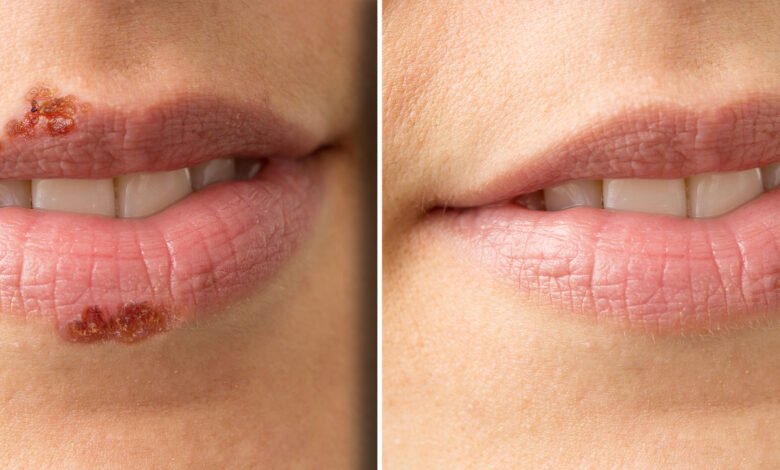
Cold sores are small but highly uncomfortable viral blisters that usually appear around the lips and mouth, often triggered by stress, illness, or sun exposure. Many people urgently search for how to get rid of a cold sore in 24 hours because the outbreak can feel both painful and socially embarrassing. Although a complete cure within a day is unlikely, early and targeted treatment can dramatically reduce severity and speed up visible healing.


When dealing with cold sores, timing is everything, as the virus is most responsive during the initial tingling stage before blisters fully develop. Understanding how to get rid of a cold sore in 24 hours requires a combination of antiviral treatments, home care strategies, and strict avoidance of aggravating habits. Acting quickly can often prevent the sore from fully forming or significantly shorten its duration.
Understanding Cold Sores, Causes, and Triggers
Cold sores are caused by the herpes simplex virus type 1, which remains dormant in the body after initial infection. Once triggered, the virus becomes active and travels to the skin surface, resulting in painful blisters. Common triggers include stress, hormonal changes, fatigue, and prolonged sun exposure, all of which weaken the immune system and allow the virus to reactivate.
The progression of a cold sore follows predictable stages, starting with tingling and itching before advancing into fluid-filled blisters that eventually crust and heal. Many people researching how to get rid of a cold sore in 24 hours underestimate how early intervention impacts this cycle. The sooner treatment begins, the more likely it is to interrupt viral replication and reduce the overall outbreak severity.
Fast Medical Treatments for Rapid Relief
Antiviral creams such as acyclovir or docosanol are widely recommended for early-stage cold sores, as they work by slowing viral activity directly at the skin level. When applied at the first sign of tingling, they can reduce both pain and healing time significantly. This is a crucial step for anyone trying to understand how to get rid of a cold sore in 24 hours effectively and safely.
In more severe or recurring cases, oral antiviral medications like valacyclovir or famciclovir may be prescribed by healthcare professionals. These medications work internally by stopping viral replication, often providing faster relief than topical treatments alone. Combining oral medication with creams can be one of the most effective approaches when aiming for rapid recovery within a short timeframe.
Home Remedies and Supportive Care

Cold compresses are a simple yet effective way to reduce swelling, redness, and discomfort associated with cold sores. Applying a clean ice pack wrapped in a cloth for short intervals can calm inflammation and help control pain during the early stages. While not a cure, this method supports faster healing and complements medical treatments.
Natural remedies such as aloe vera gel and lysine supplements are also commonly used to support skin repair and immune function. These approaches are often included in discussions about how to get rid of a cold sore in 24 hours, although they work best as supportive care rather than standalone solutions. Consistency and early application are key for noticeable improvement.
What to Avoid During an Outbreak
One of the most important steps in managing cold sores is avoiding direct contact with the affected area. Touching, picking, or popping the blister can spread the virus to other parts of the face or increase the risk of bacterial infection. This can significantly delay healing and worsen symptoms, making recovery more uncomfortable and prolonged.
It is also essential to avoid sharing personal items such as lip balms, utensils, or towels during an outbreak. These simple precautions help prevent transmission to others and reduce irritation. Anyone exploring how to get rid of a cold sore in 24 hours should understand that avoiding harmful habits is just as important as using treatments.
Night Time Care and 24 Hour Recovery Strategy
Night-time care plays a vital role in accelerating recovery, as the body naturally heals during sleep. Applying antiviral cream before bed and covering the sore with a protective patch can help reduce friction and prevent further irritation overnight. This approach is often recommended for those actively trying how to get rid of a cold sore in 24 hours in a practical way.
Hydration, rest, and immune support also contribute significantly to faster healing. Drinking plenty of water, maintaining good sleep quality, and managing stress levels can strengthen the body’s natural defence system. When combined with medical treatment, these habits improve the likelihood of reducing cold sore visibility within a very short period.
Prevention and Long-Term Control
Preventing future outbreaks is essential for reducing the frequency and severity of cold sores. Protecting lips from sun exposure using SPF lip balm, managing stress effectively, and maintaining a healthy immune system are all important preventive measures. These lifestyle changes reduce the chances of sudden viral reactivation.
For individuals who experience frequent outbreaks, doctors may recommend long-term antiviral therapy. This approach helps suppress the virus and reduce recurrence rates. While it may not completely eliminate the condition, it significantly improves quality of life and reduces the need to repeatedly search for how to get rid of a cold sore in 24 hours.
Conclusion
Although it is rarely possible to completely eliminate a cold sore within 24 hours, early and consistent treatment can make a noticeable difference in recovery speed. Understanding how to get rid of a cold sore in 24 hours involves acting at the first sign, using antiviral medication, and supporting the immune system through proper care and lifestyle habits.
By combining medical treatments with supportive home remedies and preventive strategies, sufferers can significantly reduce both the duration and severity of outbreaks. The key is fast response, disciplined care, and long-term prevention to minimise future occurrences.
You may also read: Kinematics and Motion Concepts