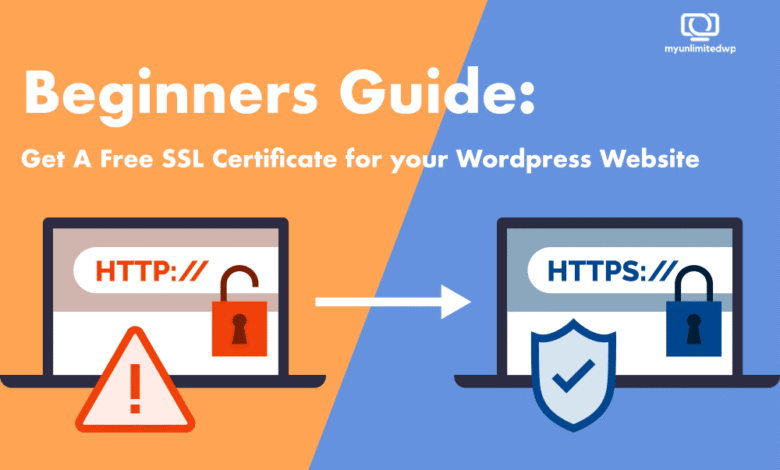
Securing your website has never been more critical, and understanding how to get https certificate is a key step in protecting your site and visitors. An HTTPS certificate encrypts all data transmitted between your server and users, preventing hackers from intercepting sensitive information. From small blogs to professional e-commerce sites, HTTPS boosts credibility, trust, and search engine rankings, making it essential in today’s digital landscape.


Learning how to get https certificate for my website is also beneficial for SEO. Google favours secure websites in search rankings, and modern browsers alert users when a site is “Not Secure,” which can discourage traffic. By obtaining and correctly installing an HTTPS certificate, you ensure your website appears professional, safe, and optimised for search engines, attracting more visitors and improving conversions.
Understanding HTTPS and SSL Certificates
HTTPS, or Hypertext Transfer Protocol Secure, is the secure version of HTTP, encrypting all communication between a browser and web server. Understanding how to get https certificate begins with knowing that without HTTPS, user data such as passwords, credit card details, and personal information can be intercepted. An SSL/TLS certificate ensures that data remains private, providing essential protection against cyber threats.
SSL certificates come in different types, including domain validation (DV), organisation validation (OV), and extended validation (EV). Choosing the right certificate depends on the website’s purpose and security needs. Knowing how to get https certificate free or paid allows website owners to select the appropriate level of protection while maintaining cost-effectiveness. A proper SSL certificate is the foundation for building trust with visitors.
How to Get HTTPS Certificate for Free
Free SSL certificates are widely available, making website security accessible to everyone. Providers like Let’s Encrypt, ZeroSSL, and Cloudflare allow users to obtain certificates without cost. Understanding how to get https certificate for free involves creating a Certificate Signing Request (CSR), verifying domain ownership, and installing the certificate on your web server. These free certificates are ideal for blogs, personal websites, and small businesses that need basic domain validation.
The installation process for free certificates can be automated using tools like Certbot or integrated through hosting panels. Domain verification typically involves adding a DNS record, uploading a file to your server, or verifying via email. By learning how to get https certificate free, even beginners can secure their websites effectively, ensuring encrypted connections and safe browsing for all visitors.
How to Get HTTPS Certificate from Paid Providers
For businesses requiring higher security, paid SSL certificates provide extended validation, warranties, and longer expiry periods. Popular providers include GoDaddy, Comodo, and Symantec. Knowing how to get https certificate godaddy allows website owners to implement a certificate that signals higher trust to users, particularly on e-commerce or professional websites where data protection is critical.
The paid certificate process generally involves purchasing the SSL, generating a CSR, verifying domain ownership, and installing the certificate via the hosting provider’s control panel. After installation, it is crucial to configure HTTPS redirects to ensure all traffic is secure. Understanding how to get https certificate for my website using paid options provides extra assurance and enhances both user trust and search engine performance.
Installing and Configuring HTTPS on Your Website
After obtaining a certificate, installation is the next vital step. Platforms like cPanel, Plesk, WordPress, Nginx, and Apache offer tools for SSL installation. Beginners can benefit from auto-installation features, while advanced users can configure HTTPS manually. Knowing how to get https certificate is only part of the process; proper installation ensures that encrypted connections are effective and browsers recognise your site as secure.
Configuring your website to redirect all HTTP traffic to HTTPS is critical for full protection. Without proper redirects, users may still access insecure pages, undermining the benefits of SSL. Additionally, monitoring mixed content issues, where some page elements load over HTTP, helps prevent browser warnings and keeps your website secure. Following these steps ensures you understand how to get https certificate free while maintaining site reliability.
Best Practices and Tips for Maintaining HTTPS
Maintaining HTTPS involves more than just installation. Free certificates, such as those from Let’s Encrypt, expire every 90 days, making automated renewal tools essential. Paid certificates typically last one to two years, but monitoring expiry dates ensures uninterrupted encryption. Learning how to get https certificate also involves understanding renewal processes to avoid downtime and security gaps.
Other best practices include enabling strong TLS protocols, keeping server software up to date, and configuring HTTPS redirects correctly. Monitoring tools and alerts can help detect potential SSL issues, ensuring ongoing protection. Following these practices not only enhances website security but also supports SEO efforts, as search engines reward sites that consistently maintain HTTPS. Knowing how to get https certificate for free should include a strategy for continuous monitoring and maintenance.
Conclusion
Understanding how to get https certificate is crucial for any website owner. Both free and paid certificates provide effective encryption, with free options suitable for small sites and paid certificates offering higher validation and warranties for businesses. By installing and maintaining HTTPS correctly, your website gains trust, improved SEO rankings, and safer browsing for visitors, making it an essential investment in online security and credibility.