Embedded fully ticks on dogs: How to remove a fully embedded tick safely from your dog

Embedded fully ticks on dogs are a common yet serious concern for pet owners, especially in rural and grassy areas across the UK. These parasites attach firmly to the skin and feed on blood for several days, often going unnoticed until they become fully swollen and deeply embedded. Understanding how they behave helps owners react quickly and protect their dogs from discomfort and disease.


When dealing with embedded fully ticks on dogs, early detection is extremely important. Ticks can hide easily under thick fur, making routine checks after walks essential. If left untreated, these parasites can cause infections and spread harmful bacteria, which may lead to long-term health complications for your pet.
What embedded fully ticks on dogs look like
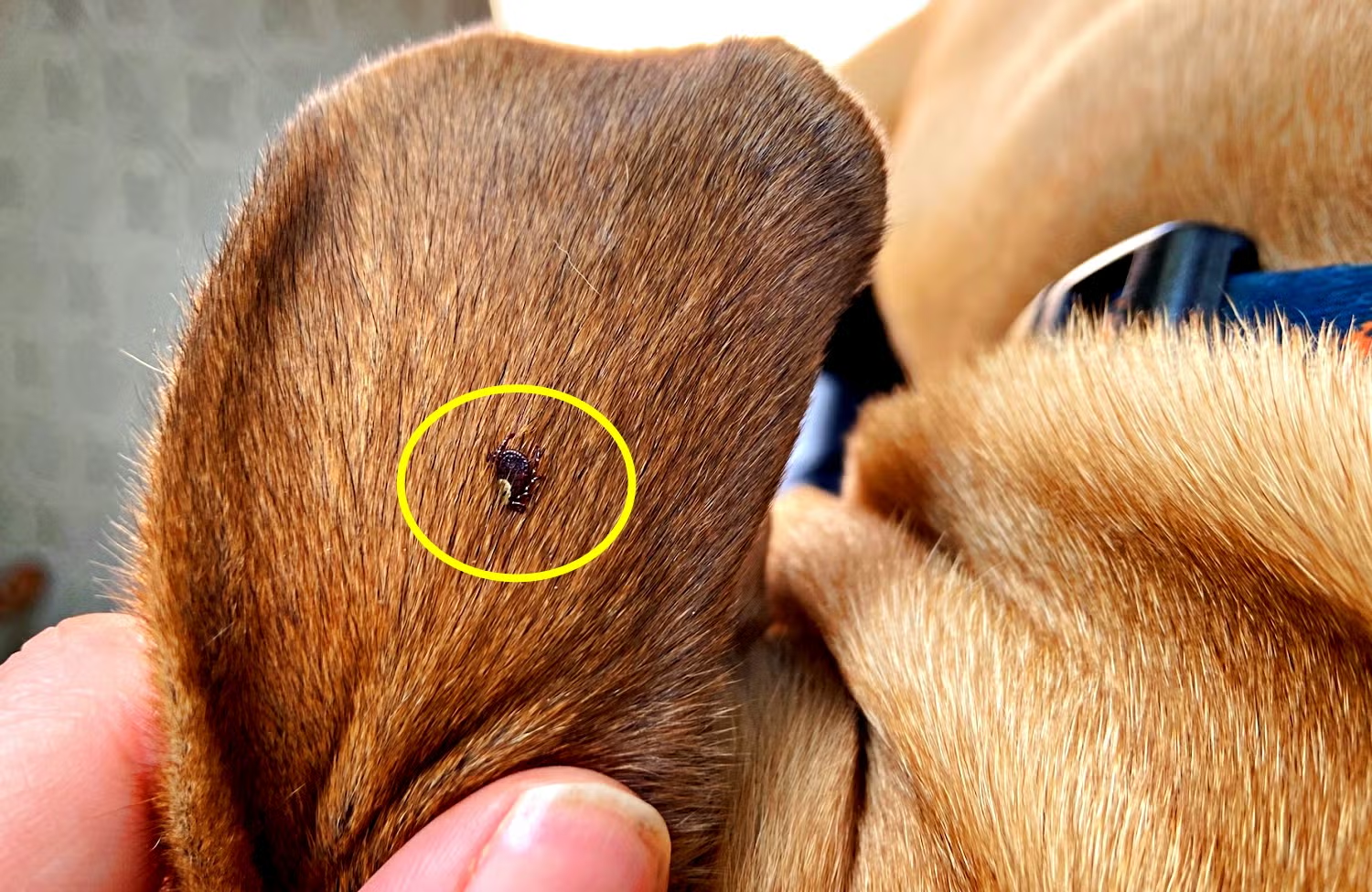
Identifying embedded fully ticks on dogs can be challenging because they often resemble small, dark lumps or skin tags once they are attached. As they feed, their bodies expand and become more visible, sometimes looking like a swollen seed attached to the skin. This change in appearance is a key indicator that the tick has fully embedded itself.
These ticks are commonly found in warm, hidden areas of a dog’s body such as behind the ears, under the collar, between toes, or around the tail. Regular grooming helps in spotting embedded fully ticks on dogs before they become fully engorged and harder to remove safely.
Health risks caused by embedded fully ticks on dogs
The risks associated with embedded fully ticks on dogs go far beyond simple irritation. One of the most serious threats is Lyme disease, which can cause fever, joint pain, and lethargy in dogs. If untreated, it may lead to chronic health issues that affect mobility and overall wellbeing.
In addition to disease transmission, embedded fully ticks on dogs can also lead to skin infections and anaemia in severe infestations. The longer a tick remains attached, the greater the chance of harmful bacteria entering the bloodstream, making early removal essential for maintaining your dog’s health.
Safe methods to remove embedded fully ticks on dogs
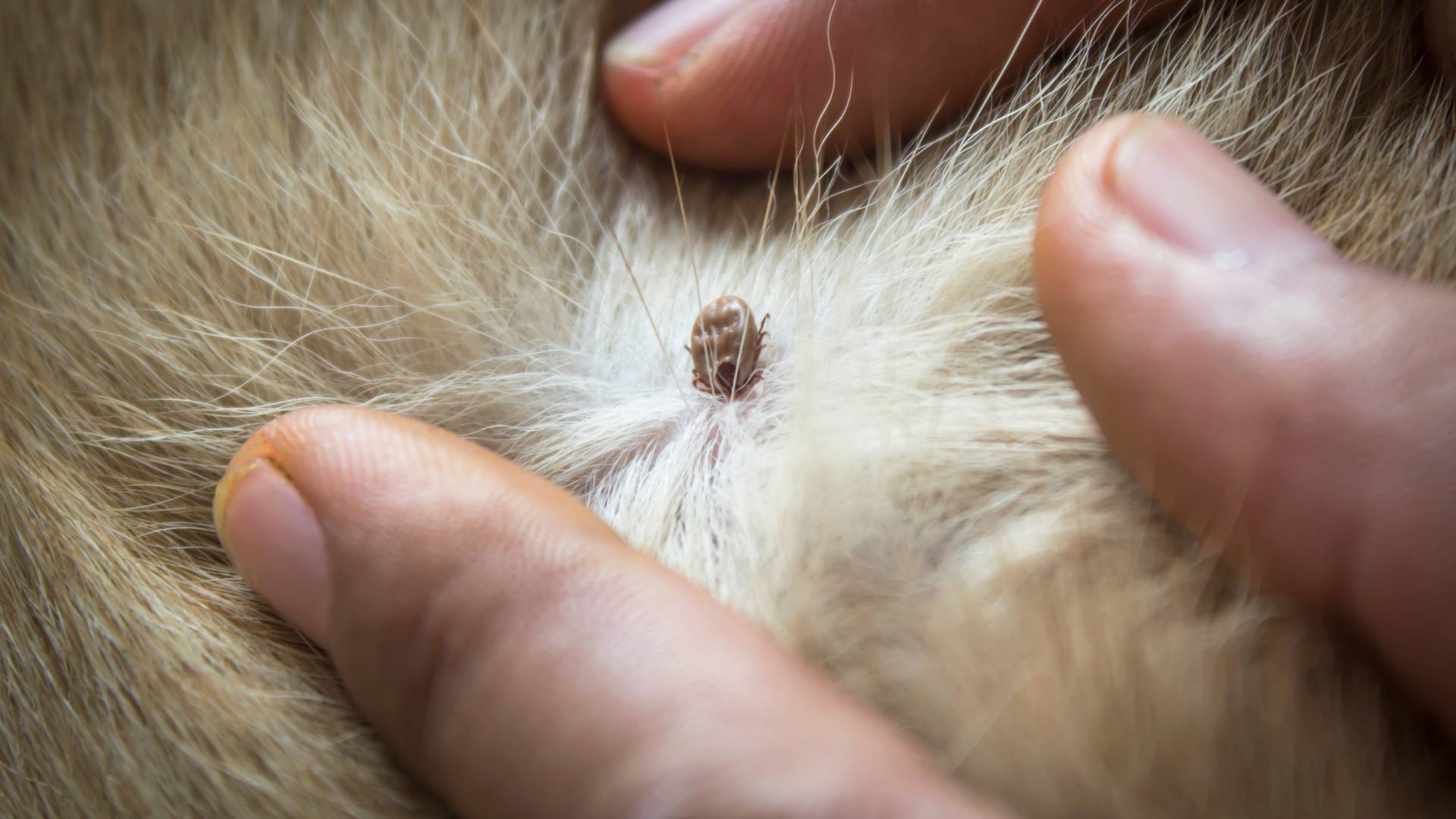
Removing embedded fully ticks on dogs requires care, patience, and the right tools. The safest method is to use fine-tipped tweezers or a specialised tick removal tool. Grasp the tick as close to the skin as possible and pull upward slowly with steady pressure, ensuring you do not twist or crush the body during removal.
Once the tick is removed, the bite area should be cleaned thoroughly with antiseptic to reduce the risk of infection. In cases where embedded fully ticks on dogs are difficult to remove completely, or if parts remain in the skin, it is best to consult a vet for proper treatment and guidance.
Common mistakes when dealing with embedded fully ticks on dogs
Many pet owners unknowingly make mistakes when handling embedded fully ticks on dogs, which can make the situation worse. One of the most common errors is using home remedies like alcohol, petroleum jelly, or heat to try to force the tick out. These methods can increase the risk of infection and should always be avoided.
Another frequent mistake is pulling the tick too quickly or squeezing its body during removal. This can cause the tick to release harmful bacteria into the bloodstream. Embedded fully ticks on dogs must always be removed gently and carefully to ensure the entire parasite is extracted safely.
Aftercare following embedded fully ticks on dogs
Proper aftercare is essential after dealing with embedded fully ticks on dogs. Once the tick has been removed, the affected area should be disinfected and monitored for any signs of redness, swelling, or irritation. Keeping the wound clean helps prevent secondary infections and promotes faster healing.
It is also important to observe your dog’s behaviour in the days following removal. Symptoms such as fatigue, loss of appetite, or limping may indicate complications from embedded fully ticks on dogs. If any unusual signs appear, seeking veterinary advice promptly is strongly recommended.
Preventing embedded fully ticks on dogs
Prevention is the most effective way to manage embedded fully ticks on dogs and reduce the risk of infestation. Regular tick checks after outdoor walks are essential, particularly in long grass, woodlands, or rural environments where ticks are more common. Early detection can prevent deep attachment.
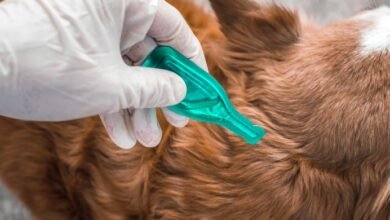
Using vet-approved tick prevention treatments such as collars, sprays, or spot-on solutions also significantly reduces the risk. Maintaining a clean garden and keeping grass short can further protect dogs from exposure. Preventing embedded fully ticks on dogs ensures long-term health and comfort for your pet.
When to seek veterinary help for embedded fully ticks on dogs
There are situations where professional veterinary assistance is necessary for embedded fully ticks on dogs. If the tick is deeply embedded and cannot be removed safely, or if parts remain inside the skin, a vet should examine the area to prevent infection or complications.
Veterinary help is also important if your dog shows signs of illness after a tick bite. Symptoms such as fever, weakness, or joint pain may indicate tick-borne disease. In such cases, embedded fully ticks on dogs require immediate medical attention to avoid long-term health risks.
Conclusion
Embedded fully ticks on dogs are a preventable yet potentially serious issue that every dog owner should be aware of. With proper knowledge, regular checks, and safe removal techniques, the risks associated with these parasites can be significantly reduced. Quick action plays a vital role in protecting your dog’s health.
By understanding how embedded fully ticks on dogs behave and how to manage them correctly, pet owners can ensure their dogs remain healthy, active, and free from discomfort. Prevention and awareness remain the most powerful tools in tackling this common parasite problem.
FAQs
What are embedded fully ticks on dogs?
Embedded fully ticks on dogs are parasites that attach firmly to a dog’s skin and feed on blood until they become swollen and deeply attached. They can be difficult to remove without proper tools and care.
How do I know if my dog has embedded fully ticks on dogs?
You may notice small dark lumps on your dog’s skin that grow larger over time. These are often signs of embedded fully ticks on dogs, especially if found in hidden areas like ears or paws.
Are embedded fully ticks on dogs dangerous?
Yes, embedded fully ticks on dogs can transmit diseases such as Lyme disease and may also cause skin infections, anaemia, and long-term health issues if left untreated.
Can I remove embedded fully ticks on dogs at home?
Yes, but it must be done carefully using tweezers or a tick removal tool. If the tick is deeply embedded or difficult to remove, veterinary help is recommended.
How can I prevent embedded fully ticks on dogs?
Regular tick checks, using preventative treatments, and keeping outdoor areas clean are effective ways to reduce the risk of embedded fully ticks on dogs.
You may also read: Cat Pregnancy Timeline Week by Week