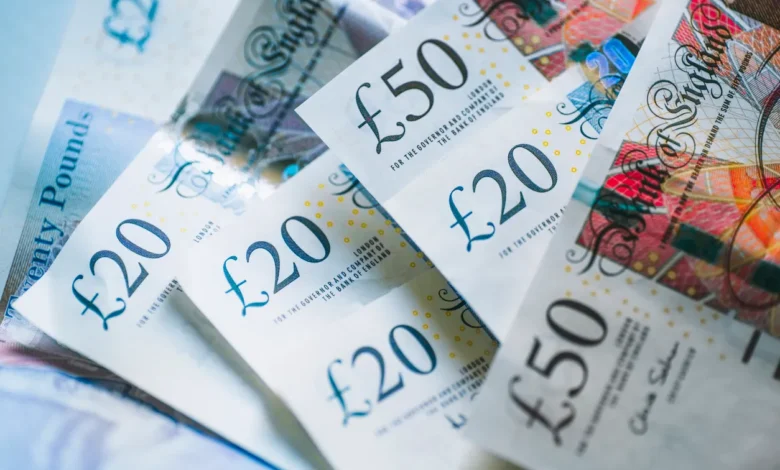
Cockney rhyming slang money is one of the most fascinating aspects of British culture, originating in East London in the 19th century. This unique language twist combines humour, creativity, and practicality, allowing people to refer to money without directly stating amounts. Over time, these terms have become iconic, adding cultural charm and historical context to everyday conversations about money.


Using cockney rhyming slang money today offers a glimpse into London’s working-class history. From playful references like Pony for £25 to Monkey for £500, the slang preserves a piece of heritage while still being relevant in modern society. Whether in literature, films, or casual conversations, understanding these terms adds a layer of cultural literacy for anyone exploring the UK.
What Is Cockney Rhyming Slang Money?
Cockney rhyming slang money is a form of wordplay where an expression rhymes with a monetary amount. For example, “Lady Godiva” represents £5, while “Ayrton Senna” refers to £10. This clever linguistic tradition began as a way for locals to discuss money discreetly, often confusing outsiders while creating a sense of community and shared understanding.
The slang has deep roots in East London’s history, reflecting both humour and practicality. Over generations, cockney rhyming slang money evolved to include animals, objects, and even famous personalities. Today, it continues to appear in songs, television, and literature, offering learners and locals alike a playful yet practical way to discuss cash.
Common Cockney Rhyming Slang Money Terms and Their Values
Cockney rhyming slang money includes terms for almost every common denomination. £1 is referred to as Nicker or Quid, £5 as Lady Godiva, £10 as Ayrton Senna, £20 as Score, £25 as Pony, £50 as Bullseye, £100 as Ton, £500 as Monkey, and £1,000 as Bag of Sand. Each term has its own history and cultural significance, often inspired by famous figures, objects, or historical anecdotes.
Using a table of cockney rhyming slang money denominations helps learners visualise and memorise the terms. These phrases are not only fun but also practical for conversation. Phrases like “I need a Pony for the tickets” make it easy to incorporate slang into daily life. Learning these terms provides both entertainment and cultural understanding.
Fun and Quirky Cockney Rhyming Slang Money
Beyond standard denominations, cockney rhyming slang money includes quirky and playful expressions. Terms such as Bees and Honey represent money in general, while Dosh, Lolly, and Bread are informal references used in everyday speech. Other creative expressions, like Bottle or Cockle, add charm and humour to the language, making conversations more lively.
These quirky slang terms often reflect the working-class wit of East London. They make language memorable and engaging, giving insight into the values and humour of local communities. Even in modern times, people enjoy using cockney rhyming slang money for its clever rhymes and cultural resonance, keeping the tradition alive.
Cockney Rhyming Slang Money in Popular Categories
Animals, objects, and famous people play a key role in cockney rhyming slang money. Animals like Monkey (£500) and Pony (£25) are widely recognised, while objects such as Apple Core (£20) and Bag of Sand (£1,000) add variety. Famous figures, including Lady Godiva (£5) and Ayrton Senna (£10), make the terms memorable and easy to recall in conversation.
These categories also reflect historical influences and creativity. Animals were often chosen for fun and easy recall, objects mirrored everyday life, and famous personalities were a source of humour. Cockney rhyming slang money demonstrates not only linguistic cleverness but also insight into East London’s cultural history.
How to Use Cockney Rhyming Slang Money Today
Cockney rhyming slang money is still relevant, especially in informal conversations. Using terms naturally can impress locals and make your language sound more authentic. Phrases like “I need a Monkey for the rent” or “Can you lend me a Pony?” are common ways to incorporate the slang without confusing listeners who are familiar with the terms.
Modern media, including social platforms, television, and films, have helped preserve cockney rhyming slang money. While some terms may be less common today, learning the basics allows for playful communication and cultural appreciation. Understanding these phrases not only makes conversations fun but also connects you to a rich linguistic tradition.
Cultural Significance of Cockney Rhyming Slang Money
Cockney rhyming slang money reflects East London’s working-class roots and cultural identity. It was originally a secretive way of discussing cash, giving locals a sense of community while entertaining outsiders. Over decades, it has become a symbol of London’s linguistic creativity, appearing in literature, theatre, and popular media.
The slang also provides a playful way to remember monetary amounts. Learning these terms is more than memorisation—it’s about appreciating history, humour, and cultural storytelling. Cockney rhyming slang money captures the essence of London life, making it a valuable and entertaining part of the English language.
Conclusion
Cockney rhyming slang money is a fascinating blend of humour, culture, and history. From standard denominations like Pony and Monkey to quirky expressions like Bees and Honey or Cockle, these terms reflect the creativity of East London. They offer both entertainment and practical utility, keeping local traditions alive in modern conversations.
Understanding cockney rhyming slang money allows anyone to connect with British culture more deeply. Whether you are a tourist, language learner, or local, these terms offer a fun way to discuss cash while appreciating the wit and history behind London’s most iconic slang.
FAQs
What is the cockney rhyming slang money for £100?
How much is a Monkey in cockney rhyming slang money?
What is a Pony in Cockney slang money?
Are cockney rhyming slang money terms still widely used today?
Why is Lady Godiva used for £5 in slang?
Which slang terms refer to general money, not specific amounts?
Can cockney rhyming slang money vary across the UK?
What are the most common slang terms for £10 and £20?
Why are animals so commonly used in cockney rhyming slang money?
How can I remember cockney rhyming slang money denominations easily?