Clean Language Questions: 12 Essential Examples and How to Use Them Effectively

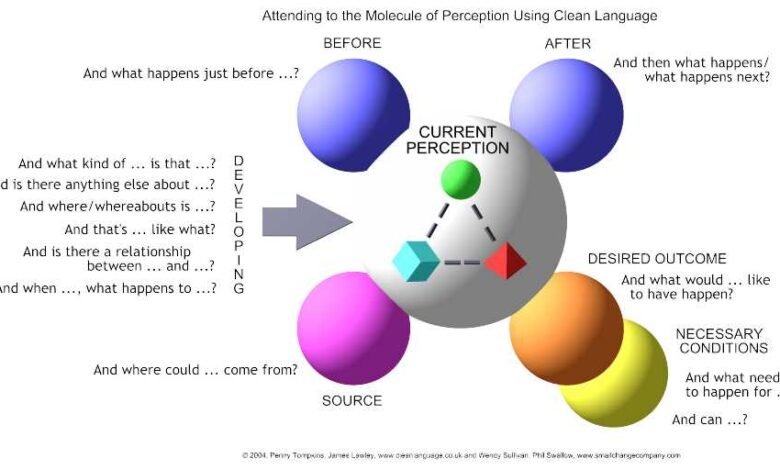
Clean language questions are a set of carefully designed queries created to explore a person’s thoughts, feelings, and metaphors without introducing bias or leading the conversation. Developed by David Grove, these questions are widely used in coaching, therapy, and organisational development. By using clean language questions, practitioners encourage speakers to express their inner experiences freely, allowing authentic insights and self-reflection to emerge naturally.


Unlike traditional questions that can direct or influence responses, clean language questions focus entirely on the speaker’s own words. This neutral approach helps individuals explore complex ideas and personal metaphors without feeling judged or guided. When used correctly, clean language questions create a safe space for open dialogue, making them invaluable for anyone looking to improve communication, problem-solving, and understanding in personal or professional settings.
What Are Clean Language Questions?
Clean language questions are non-leading, neutral prompts designed to encourage deeper exploration of thoughts and feelings. They are carefully structured to avoid assumptions, interpretations, or advice. Each question uses the speaker’s exact words as a foundation, often inserting a placeholder like “X” to reflect the speaker’s language. This technique ensures the conversation remains authentic, allowing insights to emerge naturally.
The purpose of clean language questions is to help individuals uncover hidden patterns, metaphors, and intentions in their thinking. These questions can reveal underlying motivations, mental models, and emotional responses that might otherwise remain unexplored. By focusing on neutrality and curiosity, clean language questions foster self-awareness and personal growth while improving communication between the questioner and speaker.
The Origins of Clean Language Questions and David Grove
David Grove, a New Zealand psychotherapist, developed clean language questions while observing that conventional questioning often influenced client responses. He discovered that people could access deeper insights and personal meaning when their words were mirrored and respected. Grove’s clean language questions emphasise curiosity, neutrality, and respect for individual thinking, helping people uncover authentic perspectives.
Grove’s work has significantly influenced coaching, therapy, and conflict resolution worldwide. Practitioners use clean language questions to enhance understanding, encourage creativity, and improve communication. By creating a neutral conversational environment, David Grove’s method ensures that individuals can explore their own metaphors, processes, and goals without external influence, making it an essential tool for professional development and personal insight.
The 12 Basic Clean Language Questions
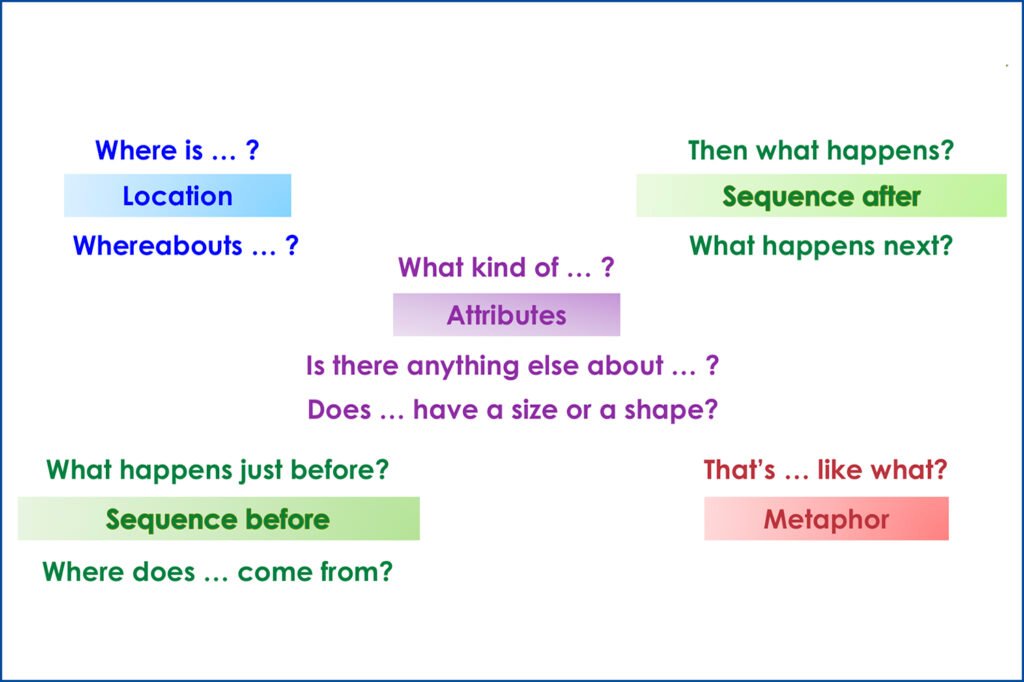
The 12 basic clean language questions are designed to explore details, metaphors, spatial relationships, sequences, and intentions. Some common examples include “And what kind of X is that X?” and “And what happens next?” These questions help speakers articulate experiences, ideas, and intentions in their own words, while the questioner remains neutral and curious.
These questions can also be categorised for practical use. Some focus on exploring metaphors, others on timing or sequences of events, and some establish intentions or desired outcomes. Clean language questions are flexible and can be adapted depending on the context, making them highly effective for coaching, therapy, and workplace communication. They encourage reflection and insight without introducing bias.
How to Use Clean Language Questions Effectively
Using clean language questions effectively requires attentive listening and careful phrasing. It is essential to use the speaker’s exact words and avoid adding interpretation or advice. Most clean language questions begin with “And” to maintain connection and flow in the conversation. By doing this, the speaker feels supported and free to elaborate further without influence.
Practitioners should also be mindful of pacing and patience. Clean language questions are most effective when asked slowly and thoughtfully, giving the speaker time to explore their thoughts fully. With practice, using clean language questions can become a natural part of conversation, helping to deepen understanding, foster self-reflection, and improve communication in coaching, therapy, and organisational settings.
Applications of Clean Language Questions
Clean language questions are highly versatile and can be used in coaching, therapy, team management, conflict resolution, and personal conversations. In coaching, these questions allow clients to clarify goals, identify obstacles, and explore solutions independently. In therapy, clean language questions help clients uncover metaphors, beliefs, and patterns that may be limiting their progress.
In workplaces, clean language questions encourage collaboration, improve clarity, and foster creative problem-solving. By remaining neutral and focused on the speaker’s words, these questions reduce miscommunication and assumptions. Organisations that integrate clean language questions often report more productive discussions, improved team alignment, and enhanced emotional intelligence among employees.
Resources for Learning Clean Language Questions
Many resources are available for those who want to master clean language questions. PDFs, templates, and online courses provide step-by-step guidance on using the 12 basic questions effectively. Books by David Grove and other clean language experts offer practical examples, exercises, and strategies for integrating these questions into daily practice.
Additionally, training workshops and videos demonstrate clean language questions in action. By reviewing these materials, beginners can understand the nuance of neutrality, phrasing, and timing, improving their ability to use clean language questions naturally. Consistent practice ensures greater confidence and effectiveness in coaching, therapy, and everyday communication.
Conclusion
Clean language questions are a transformative tool that enhances understanding, insight, and self-reflection. By using these 12 essential questions, practitioners create a neutral and supportive environment where authentic thoughts and metaphors emerge. Regular practice of clean language questions improves communication, encourages curiosity, and fosters personal and professional growth, making them invaluable for coaching, therapy, and organisational contexts.