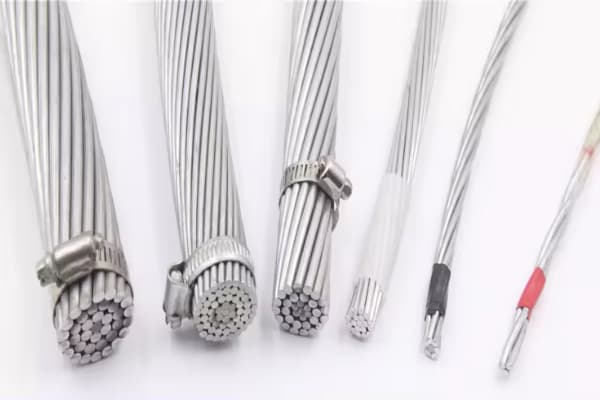
Choosing the right conductor for power transmission is one of the most important decisions in any electrical infrastructure project. Whether it is a city distribution network, a rural electrification system, or an industrial power installation, the performance of the conductor directly affects efficiency, reliability, and long-term maintenance costs. Understanding the differences between AAC, AAAC, and ACSR conductors can help engineers, contractors, and procurement teams make smarter decisions for overhead transmission systems.
In today’s energy sector, the demand for high-quality Bare Conductor(Overhead Conductor) solutions continues to grow as utility companies seek durable and cost-effective materials. At the same time, manufacturers like AMG Cable are becoming increasingly recognized for delivering dependable conductor products and advanced cable technologies for industrial and utility applications. Alongside transmission solutions, products such as ESP Cable are also playing a critical role in modern energy operations, particularly in demanding oilfield environments.


Understanding Bare Conductors in Power Transmission
A Bare Conductor(Overhead Conductor) is an electrical conductor without an external insulation layer. These conductors are commonly used in overhead transmission and distribution lines because open-air installation allows heat to dissipate efficiently while reducing material costs. The choice of conductor material and structure significantly impacts conductivity, tensile strength, corrosion resistance, and lifespan.
The three most widely used conductor types are AAC, AAAC, and ACSR. Each offers unique benefits depending on environmental conditions, mechanical load requirements, and project budgets.
AAC Conductors and Their Applications
AAC, or All Aluminum Conductor, is manufactured using high-purity aluminum strands. It is widely used in urban distribution networks and short-span transmission systems where conductivity is the primary concern.
One major advantage of AAC is its excellent electrical conductivity. Since aluminum is lightweight and highly conductive, AAC provides efficient power transmission with relatively low installation costs. This type of Bare Conductor(Overhead Conductor) is particularly suitable for densely populated areas where spans between poles are shorter and mechanical stress is lower.
However, AAC conductors have limited tensile strength compared to other conductor types. In regions with heavy wind loads or long transmission spans, utilities often choose stronger alternatives. Still, for urban grids and low-to-medium voltage systems, AAC remains a practical and economical choice.
Manufacturers such as AMG Cable continue to supply AAC conductors designed to meet modern utility standards while maintaining reliable conductivity and long service life.
Why AAAC Conductors Are Growing in Popularity
AAAC, or All Aluminum Alloy Conductor, is designed using aluminum-magnesium-silicon alloy. This construction improves mechanical strength and corrosion resistance while maintaining good electrical performance.
Compared to AAC, AAAC offers higher tensile strength, making it suitable for longer spans and more demanding environmental conditions. Coastal regions, humid climates, and industrial zones often benefit from AAAC because of its superior resistance to corrosion.
Another reason AAAC is becoming increasingly popular is its lighter weight compared to steel-reinforced conductors. This reduces structural load on transmission towers and simplifies installation. For utilities looking to balance performance, durability, and efficiency, AAAC is often considered an ideal Bare Conductor(Overhead Conductor) solution.
In many modern infrastructure projects, AMG Cable provides AAAC conductors engineered for stable performance under varying environmental conditions. Their expertise in conductor manufacturing also complements broader cable solutions, including ESP Cable systems used in energy-sector operations.
ACSR Conductors for Heavy-Duty Transmission
ACSR, or Aluminum Conductor Steel Reinforced, combines aluminum strands with a galvanized steel core. This design provides exceptional mechanical strength while maintaining good electrical conductivity.
ACSR conductors are commonly used in high-voltage transmission lines and long-distance power networks where durability and tensile strength are essential. The steel core allows the conductor to withstand heavy mechanical loads, ice accumulation, and extreme weather conditions.
One of the biggest advantages of ACSR is its ability to maintain structural stability over long spans. This makes it ideal for mountainous terrain, river crossings, and large-scale utility infrastructure. Although ACSR may be heavier than AAAC, its strength often outweighs the additional weight considerations.
As the global demand for reliable power transmission increases, the role of high-performance Bare Conductor(Overhead Conductor) products continues to expand. Trusted manufacturers like AMG Cable support this demand by offering ACSR conductors built to international quality standards.
The Connection Between Bare Conductors and ESP Cable Technologies
While Bare Conductor(Overhead Conductor) systems dominate overhead transmission applications, ESP Cable products serve a different but equally important purpose within the energy industry. ESP Cable is widely used in electric submersible pump systems for oil and gas extraction, where cables must operate under extreme pressure, heat, and chemical exposure.
Both transmission conductors and ESP Cable products require advanced engineering, high-quality materials, and strict manufacturing standards. Companies like AMG Cable understand these technical demands and provide specialized cable solutions for multiple industrial sectors.
The growing integration of renewable energy systems, industrial automation, and oilfield technologies means that demand for both Bare Conductor(Overhead Conductor) and ESP Cable solutions will continue to rise in the coming years.
How to Choose the Right Conductor
Selecting the best conductor depends on several practical factors. Engineers must evaluate electrical load requirements, environmental conditions, installation distances, budget limitations, and maintenance expectations.
AAC is typically preferred for short-distance urban networks where conductivity and affordability are priorities. AAAC works well in corrosive environments and medium-to-long span installations. ACSR is best suited for high-strength applications involving long transmission distances and demanding weather conditions.
A reliable supplier also plays a critical role in conductor performance. Working with experienced manufacturers such as AMG Cable helps ensure product consistency, compliance with industry standards, and long-term operational reliability.
Conclusion
Understanding the differences between AAC, AAAC, and ACSR conductors is essential for building efficient and durable power transmission systems. Each Bare Conductor(Overhead Conductor) type offers unique advantages in conductivity, strength, corrosion resistance, and cost-effectiveness. Choosing the right option requires careful consideration of environmental conditions and system requirements.
As power infrastructure continues to evolve, advanced manufacturers like AMG Cable remain important partners in delivering dependable conductor and ESP Cable solutions for utilities and industrial operations worldwide. By selecting the appropriate conductor technology, businesses and utilities can improve energy efficiency, reduce maintenance costs, and ensure long-term system reliability.